

Missed appointments are a costly operational problem for clinics. They affect physician utilization, reduce front-desk efficiency, slow down care continuity, and create gaps in daily revenue planning. In Houston’s fast-moving healthcare environment, patient attendance is often affected by traffic, shift-based work schedules, insurance coordination, and daily time constraints. For clinics, missed appointments create operational gaps that affect utilization, staffing efficiency, and continuity of care.
This is why AI-based appointment scheduling is becoming a practical focus for clinics across Houston. Instead of relying only on static booking calendars and manual reminder calls, clinics can now explore systems that combine intelligent booking logic, automated reminders, chatbot interactions, and predictive decision-making. When implemented properly, these systems can support better scheduling accuracy, stronger patient follow-through, and more consistent clinic operations.
For healthcare teams evaluating digital transformation, the opportunity is not just to automate booking. It is to build a more responsive scheduling environment using scheduling automation, no-show prediction models, and AI-enabled patient booking systems that align with real clinic workflows.
Industry and Operational Challenge
Many clinics still depend on appointment processes that were designed for a lower-volume, less digitally connected environment. A front-desk team may handle calls, WhatsApp inquiries, website form requests, follow-up reminders, rescheduling, and manual calendar adjustments all at once. This creates friction across the patient journey.
Common problems often include:
- double bookings or uneven slot allocation
- delays in confirming or rescheduling visits
- poor reminder timing
- limited insight into why patients miss appointments
- underused clinician time because of late cancellations
- disconnected communication across phone, web, and chat channels
For Houston clinics, these issues can become more visible because patient schedules are often influenced by commute time, work shifts, insurance coordination, and language preferences. Traditional scheduling tools record appointments, but they usually do not interpret patient behavior or actively improve slot efficiency.
That is where healthcare scheduling software with AI capabilities can make a difference. Instead of only managing calendars, clinics can implement systems that identify booking risks early, automate outreach, and support more intelligent scheduling decisions. This shift also connects well with broader clinic workflow automation goals, especially for operators trying to improve consistency without expanding headcount at the same pace as patient demand.
How the Solution Can Be Implemented
An AI-powered scheduling approach should be implemented in phases, with each phase aligned to clinical operations rather than just software deployment.
Figure: Clinic appointment automation and no-show reduction workflow
1. Centralize booking data
The first step is to bring appointment data from existing channels into one operational layer. This may include website bookings, call-center logs, chatbot requests, EHR-linked appointment records, and reminder history. A unified view makes it easier to understand booking patterns, no-show frequency, peak hours, and specialty-specific behavior.
2. Add intelligent booking rules
Before activating AI workflows, clinics should validate the quality of appointment records, contact details, provider schedules, and visit-type data. Clean operational data gives the system a more reliable foundation for reminder timing, no-show scoring, and scheduling decisions.
3. Introduce predictive no-show scoring
Using predictive no-show models, clinics can evaluate signals such as prior attendance history, booking lead time, reminder response behavior, appointment timing, visit type, and scheduling patterns. Patients with a higher probability of missing appointments can be placed into different reminder workflows or offered easier confirmation steps.
4. Enable automated communication flows
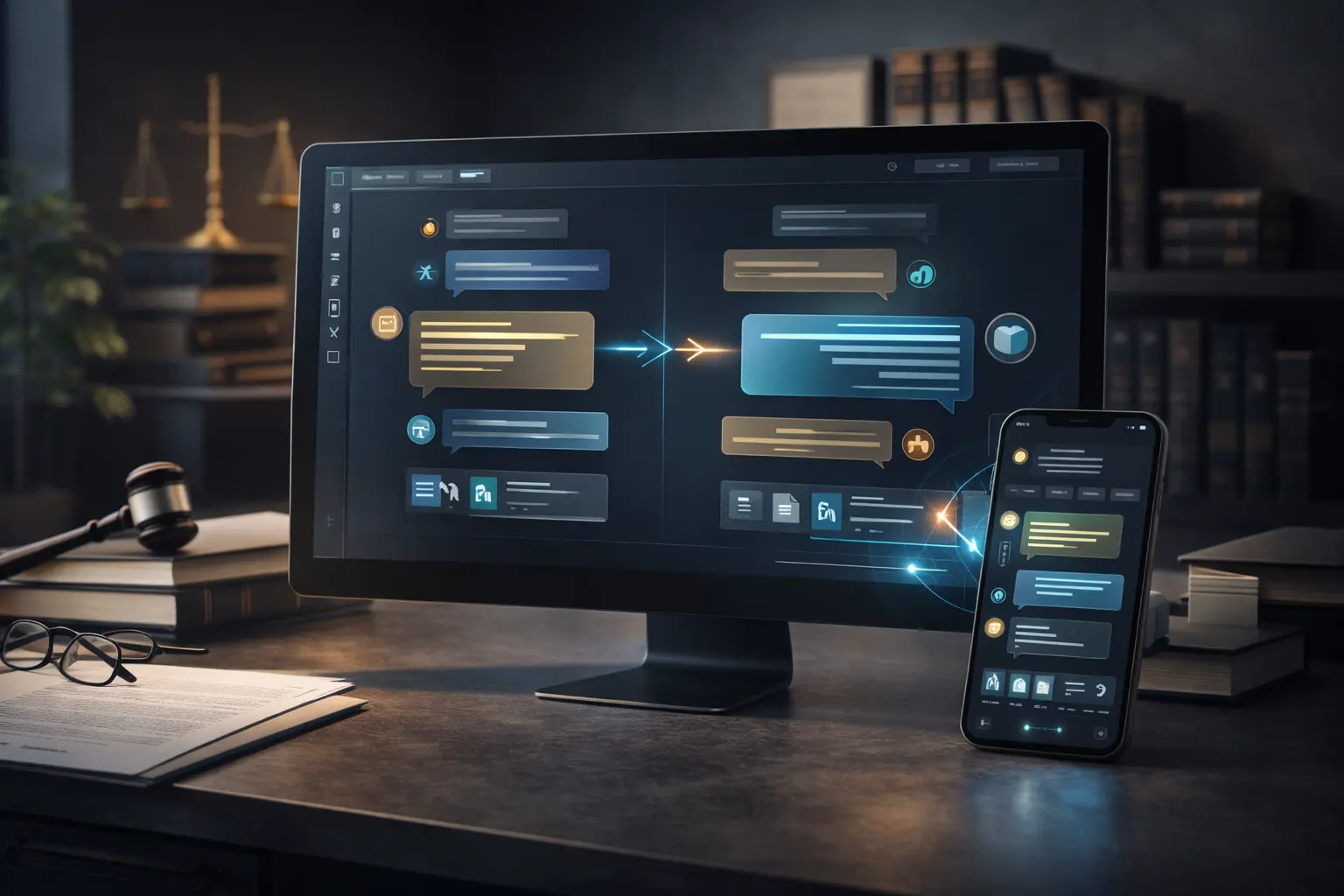
This is where scheduling automation and conversational messaging can improve confirmation rates and reduce manual follow-up work. Patients can confirm, cancel, or reschedule directly through SMS, chat, or a clinic portal. Instead of waiting for staff intervention, the system can help keep schedules updated with minimal delay across connected booking channels.
5. Create fallback utilization workflows
If a patient cancels late or appears unlikely to attend, the system can trigger waitlist outreach, fill open slots, or notify eligible patients automatically. This helps clinics reduce wasted provider time and improves capacity use across the day.
6. Monitor and optimize
Implementation should not stop at launch. Clinics should track booking conversion, confirmation rates, reschedule frequency, and actual no-show reduction by specialty, provider, and location. Over time, this helps refine automation rules and improve operational accuracy.
For the middle of the patient journey, AI patient engagement platforms in Houston can play an important role by connecting reminders, confirmations, follow-ups, and patient communication into one coordinated experience.
Key Capabilities and Functional Components
For clinic operations, the most useful capabilities often include:
Predictive attendance intelligence
This allows clinics to estimate which appointments are at higher risk and take action before a no-show occurs.
Smart slot allocation
The system can recommend time slots based on provider schedule, visit type, patient preferences, and clinic utilization patterns.
Conversational booking assistance
Using AI patient booking systems, clinics can enable chat-based scheduling across websites, mobile interfaces, or messaging channels. Patients get faster responses, and staff spend less time on repetitive tasks.
Automated reminders and confirmations
Reminder systems can be personalized based on appointment type, response history, and timing. This is more effective than sending the same reminder message to every patient.
Rescheduling and cancellation workflows
Patients should be able to easily modify bookings without long call waits. Faster schedule updates help reduce unused time.
Waitlist and fill-rate support
When cancellations happen, the system can identify patients who may accept earlier appointments and automatically reach out.
Dashboard visibility
Leaders need reporting across no-show trends, booking source performance, reminder effectiveness, and provider utilization. This is a key part of building smart clinic systems rather than isolated tools.
Technology Stack
A practical implementation for clinics usually includes several connected layers rather than one standalone product.
At the front end, clinics may use a web booking portal, chatbot widget, mobile interface, or contact-center integration. These patient-facing tools collect appointment requests and confirmation signals.
In the orchestration layer, business logic handles schedule rules, reminder workflows, rescheduling paths, and provider availability constraints. This is where clinic scheduling automation AI becomes operational.
The intelligence layer processes scheduling signals in real time and applies predefined rules or predictive models to support booking, reminder, and rescheduling decisions. By analyzing clinic-specific scheduling patterns, the system can identify time windows with higher attendance risk and trigger stronger confirmation workflows, waitlist outreach, or rescheduling options. These models can be refined over time as more scheduling data becomes available and performance is reviewed against real operational outcomes.
The data layer may combine:
- appointment history
- EHR or practice management system records
- communication logs
- patient interaction data
- reminder response history
For deployment, clinics often use secure cloud infrastructure with API-based integrations to scheduling software, CRM systems, EHR platforms, and messaging tools. Identity controls, audit logging, and encrypted data handling are especially important in healthcare settings.
A well-structured architecture should also support:
- multilingual messaging
- role-based staff access
- integration with existing calendars
- reporting dashboards for administrators
- workflow controls for specialty-specific scheduling needs
This is where AI patient engagement tools become operational assets rather than just engagement features.
Commercial Impact
If AI reduces missed appointments, clinics can improve provider utilization and revenue stability without increasing the physical footprint of the business. Even a moderate reduction in no-shows can create measurable gains across multi-provider or multi-location practices.
Practical benefits can include:
- fewer empty appointment slots
- improved front-desk productivity
- faster response to rescheduling needs
- better patient communication consistency
- reduced manual reminder workload
- improved daily and weekly schedule predictability
- better patient experience and follow-through
Experience in healthcare automation shows that AI can help reduce missed appointments and improve efficiency when scheduling workflows are carefully designed and monitored. Implementations often combine predictive models, automated reminders, and conversational scheduling workflows. In the right operational context, clinics may see meaningful improvement, but outcomes depend on specialty, patient behavior, staffing processes, and data quality. That kind of improvement can make a real financial difference for clinics working with tight schedules and high patient demand.
Adoption Considerations
Healthcare scheduling systems must be designed with trust and compliance in mind. Even when the use case is administrative rather than clinical, patient data still needs protection. Predictive scoring should support scheduling prioritization and outreach planning, not restrict patient access or replace human judgment in sensitive cases.
Key considerations include:
- HIPAA-aligned data handling and access controls
- secure integration with EHR or clinic management platforms
- patient consent for messaging workflows
- clear audit trails for schedule changes
- human override options for staff
- bias monitoring in predictive models
- careful handling of multilingual patient communication
Clinics should also avoid over-automation. AI can support scheduling decisions, but staff should still be able to intervene when the situation requires empathy, urgency, or special accommodation. Trust grows when automation makes work easier without removing necessary human judgment.
Illustrative Clinic Scenario
Consider a multi-specialty clinic in Houston with frequent afternoon no-shows and high front-desk follow-up volume. By deploying an AI-enabled scheduling system, the clinic can shift from reactive reminder processes to more proactive scheduling support. The system identifies higher-risk appointments in advance, triggers confirmation or rescheduling workflows, and uses waitlist outreach to help fill open slots before staff begin manual follow-up.
After centralizing appointment data, the clinic implements AI appointment optimization healthcare workflows. A predictive model identifies high-risk appointments, while chatbot-based reminders allow patients to confirm or reschedule through a simple conversation. Empty slots trigger automated waitlist outreach. Within a few months, administrators see better slot utilization, staff spend less time on reminder calls, and provider calendars become more stable. Results will vary by clinic type, patient population, and workflow readiness, but this is a practical implementation path for organizations exploring AI-supported scheduling improvements.
Why This Matters
For clinic owners, healthcare operators, and digital leads in Houston, scheduling is no longer just an administrative function. It directly affects growth, efficiency, patient satisfaction, and staff workload.
A clinic may invest in better marketing, better physicians, and better facilities, but if appointment systems remain slow, fragmented, or reactive, a large share of that value can be lost before the patient even arrives. AI-supported scheduling gives decision-makers a practical way to improve patient flow without treating every operational issue as a staffing problem.
In a competitive market, clinics that adopt intelligent scheduling earlier can build a stronger foundation for patient retention, utilization control, and scalable service delivery.
Frequently Asked Questions
- How can AI help reduce missed appointments in clinics?
AI can analyze booking patterns, identify patients who may miss appointments, and trigger smarter reminders or rescheduling workflows. This helps clinics act before an empty slot affects the day’s schedule.
- What is the difference between regular scheduling software and AI scheduling systems?
Regular scheduling tools mostly record and manage appointments. AI-enabled systems can also predict no-show risk, optimize slot allocation, automate communication, and improve booking decisions over time.
- Are AI patient booking systems suitable for small clinics?
Yes, if implemented properly. Small clinics can use them to automate repetitive scheduling tasks, improve reminder consistency, and reduce front-desk workload without needing a large operations team.
- What data is needed for no-show prediction healthcare AI?
Typical inputs include appointment history, cancellation patterns, reminder responses, booking timing, visit type, and patient interaction behavior. The exact model depends on the clinic’s systems and data quality.
- Can AI patient engagement platforms in Houston work with existing clinic software?
In many cases, yes. These platforms can often be integrated through APIs with existing scheduling tools, CRMs, EHR systems, and messaging channels, depending on the current software environment.
- What compliance issues should clinics consider before implementation?
Clinics should review HIPAA-aligned data security, access controls, patient consent for communication, audit logging, and integration security. Human oversight should also remain part of the workflow.
- How long does it take to implement clinic scheduling automation AI?
The timeline depends on system complexity, integration scope, and data readiness. A phased rollout is usually the best approach, starting with data centralization, reminders, and predictive logic before expanding further.
Conclusion
Reducing missed appointments is not only about sending more reminders. It is about building a scheduling environment that understands patient behavior, supports staff efficiency, and helps clinics respond faster when appointment risk appears. With the right combination of intelligent booking logic, automation workflows, and predictive modeling, Houston clinics can create a more reliable appointment system that improves both care access and operational performance.
For organizations evaluating this opportunity, the goal should be a phased and practical rollout that fits real clinic workflows. An experienced AI development company in Houston can help translate scheduling challenges into a structured solution using AI, cloud-based integrations, and workflow-connected communication systems. With the right implementation approach, clinics can improve utilization, reduce no-shows, and build a more scalable patient engagement model.
Improve Clinic Scheduling with AI
Looking to modernize appointment workflows for your clinic or healthcare network? Theta Technolabs helps healthcare businesses design practical AI solutions for scheduling, patient communication, and workflow automation.
Our team supports healthcare-focused digital transformation through web, mobile, and cloud solutions built around real operational needs. To discuss how an AI scheduling system can fit your clinic environment, reach out at sales@thetatechnolabs.com.
























.png)
.png)






.png)
.png)
.png)
.png)


.png)
.png)
.png)
.png)

.png)





.png)




_How%20Cloud%20Solutions%20Are%20Enhancing%20Remote%20Patient%20Monitoring%20in%20Healthcare_Q4_25.jpg)
_Streamlining%20Appointment%20Scheduling%20with%20Cloud%20Computing%20in%20Dallas%20Healthcare_Q4_25.jpg)
_The%20Impact%20of%20Cross-Platform%20Apps%20on%20Real%20Estate%20Market%20Trends%20in%20Dallas_Q3_24-1.jpg)
_How%20AI%20is%20Enhancing%20Construction%20Site%20Surveillance%20and%20Security%20in%20Dallas_Q3_24-1.jpg)
_Web%20Apps%20for%20Retail%20and%20eCommerce_%20Streamlining%20Operations%20and%20Reducing%20Costs_Q3_24.jpg)