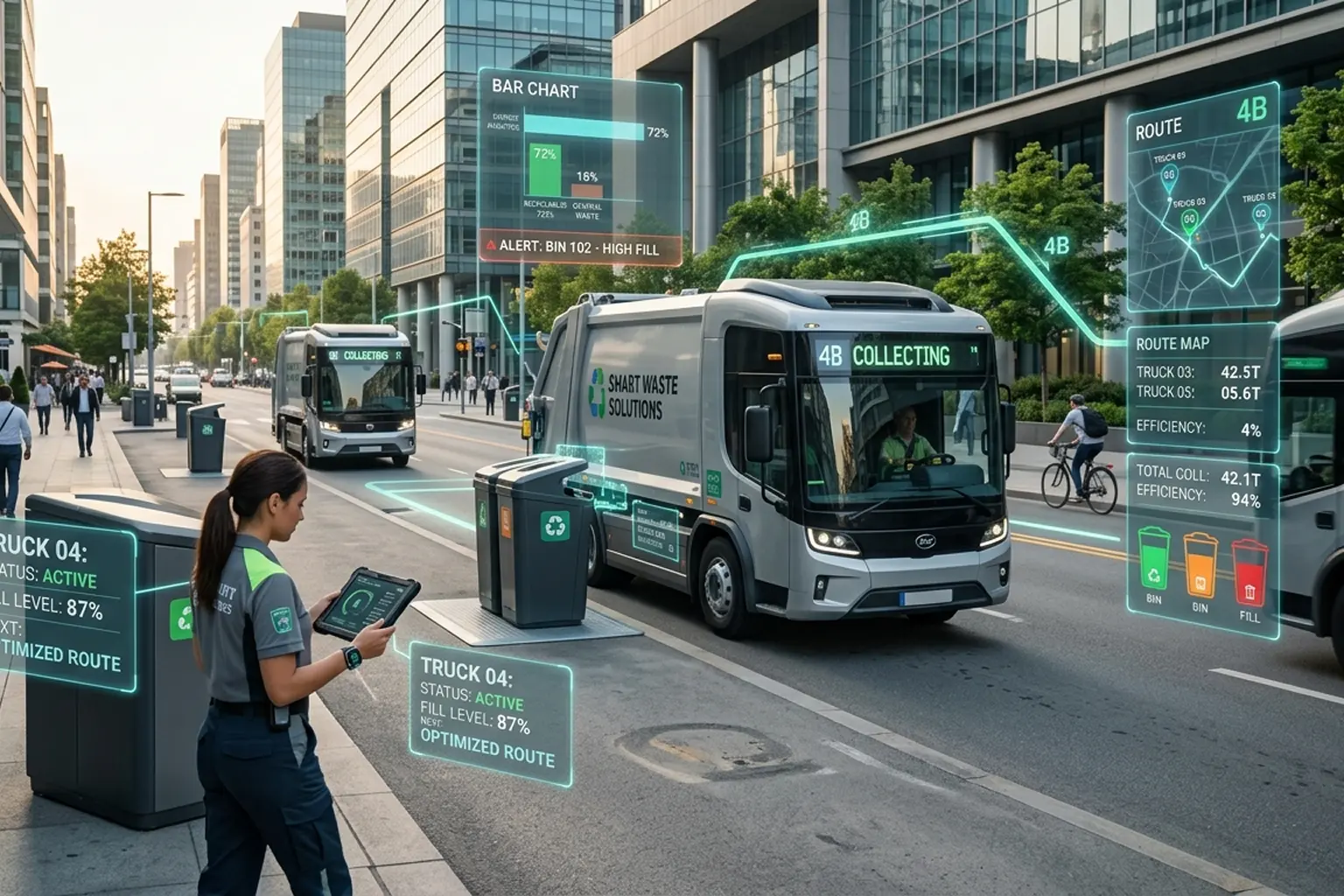
Industrial workplaces such as manufacturing plants, construction sites, energy facilities, and logistics hubs operate under constant risk. Heavy machinery, hazardous materials, extreme temperatures, and human fatigue make safety management a complex challenge. Traditional safety systems rely heavily on manual inspections, compliance checklists, and incident reporting after an event occurs.
Today, this reactive approach is no longer sufficient. The convergence of Artificial Intelligence and the Internet of Things is transforming how organizations approach safety. By combining real-time data collection with intelligent analysis, AI and IoT are enabling proactive, predictive, and automated safety systems that protect workers before incidents happen.
Why Traditional Safety Models Are Reaching Their Limits
Conventional safety programs depend on periodic audits, training sessions, and supervisor oversight. While important, these methods struggle to scale in dynamic environments where conditions change constantly.
Common gaps include:
- Limited real-time visibility into unsafe conditions
- Delayed response to hazards
- Human error in reporting and monitoring
- Difficulty predicting accidents before they occur
As operations grow more complex, organizations need systems that can continuously monitor, analyze, and respond to safety risks without depending solely on human intervention.
The Rise of AIoT in Industrial Safety
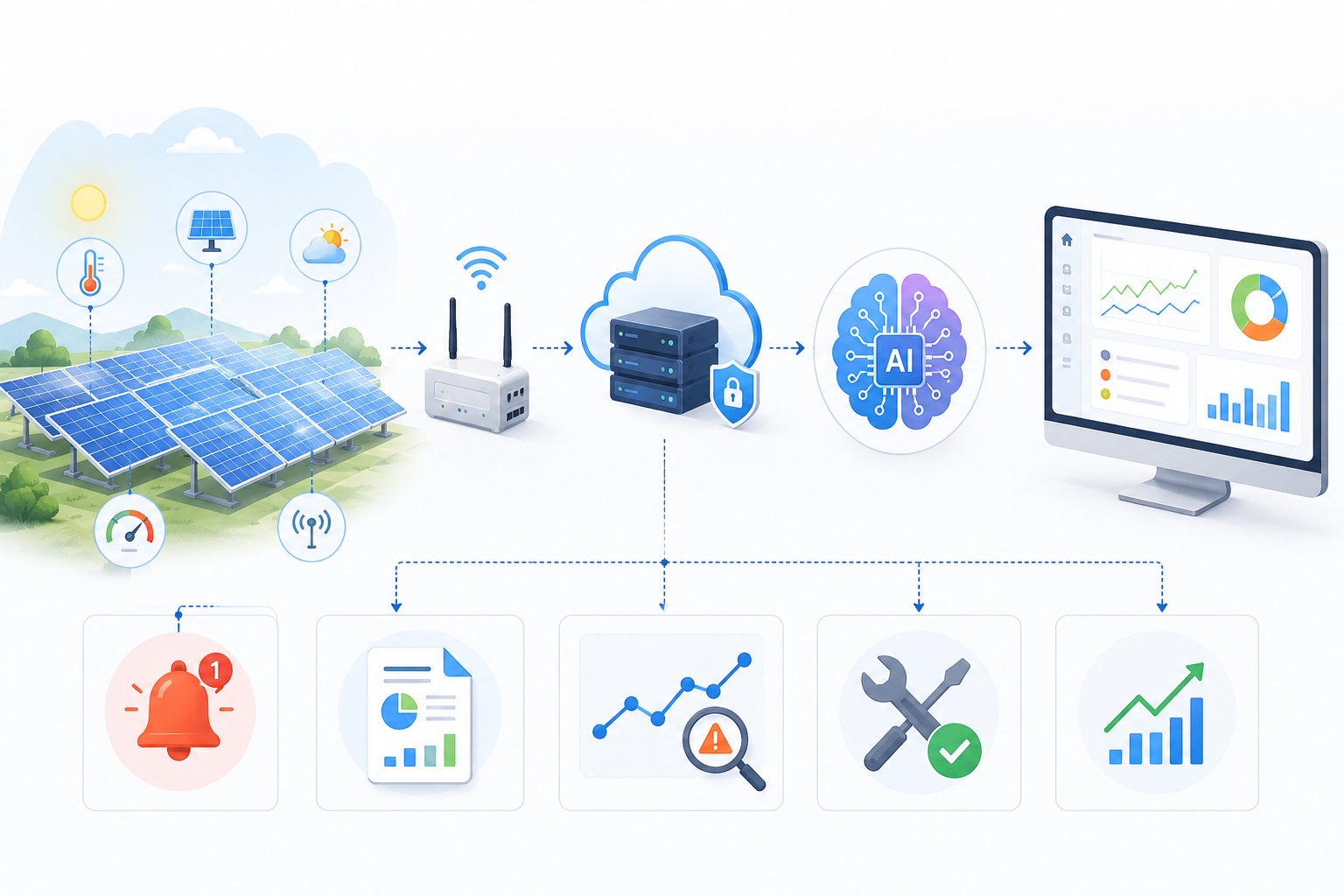
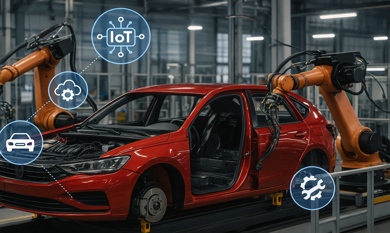
AIoT refers to the integration of AI with IoT devices to create intelligent, self-learning systems. In industrial safety, this approach enables AIoT safety monitoring by collecting data from connected devices and analyzing it instantly to identify risks.
IoT devices act as the eyes and ears of the environment. AI acts as the brain that interprets what is happening and decides when action is required. Together, they enable predictive workplace safety rather than reactive damage control.
This shift is especially valuable in high-risk environments where seconds matter.
How Smart Sensors Change the Safety Landscape
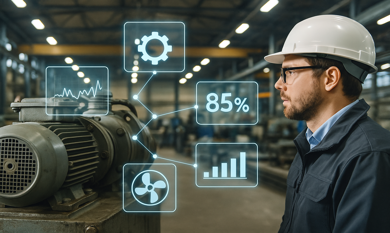
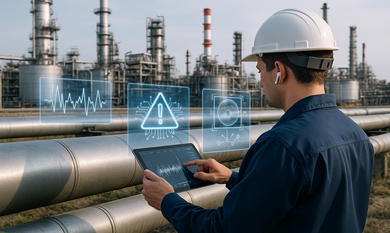
Modern industrial facilities are increasingly equipped with smart sensors for industrial safety. These sensors monitor variables such as gas leaks, temperature fluctuations, vibration levels, equipment motion, noise exposure, and worker proximity to hazardous zones.
This form of Smart sensor monitoring allows organizations to detect unsafe patterns early. For example:
- Rising heat levels near electrical panels
- Irregular vibrations in heavy machinery
- Unsafe worker behavior near restricted areas
Data from these sensors flows continuously into centralized platforms, forming the foundation of Workplace safety IoT systems.
AI Turns Raw Data into Actionable Safety Intelligence
Collecting data alone is not enough. This is where AI risk analytics plays a critical role. AI models analyze historical and real-time sensor data to identify correlations between conditions and past incidents.
For example, AI can learn that a combination of high humidity, equipment vibration, and long shift hours increases accident probability. This enables ai-driven risk management that alerts supervisors before an incident occurs.
Over time, these systems improve accuracy, enabling AI predictive hazard control that evolves with the workplace.
Realistic Scenario: AI and IoT Preventing a Safety Incident
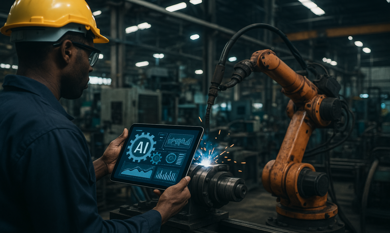
Consider a high-risk manufacturing facility where workers operate heavy presses. IoT sensors monitor machine pressure, vibration, and operator presence. AI continuously evaluates this data.
One day, the system detects unusual vibration combined with extended operator fatigue indicators. Before a failure occurs, the system triggers alerts and temporarily halts the machine. Maintenance identifies a worn component that could have caused a serious accident.
This is Industrial safety automation in action, preventing harm through intelligent intervention rather than post-incident reporting.
Mobile and Cross-Platform Safety Applications
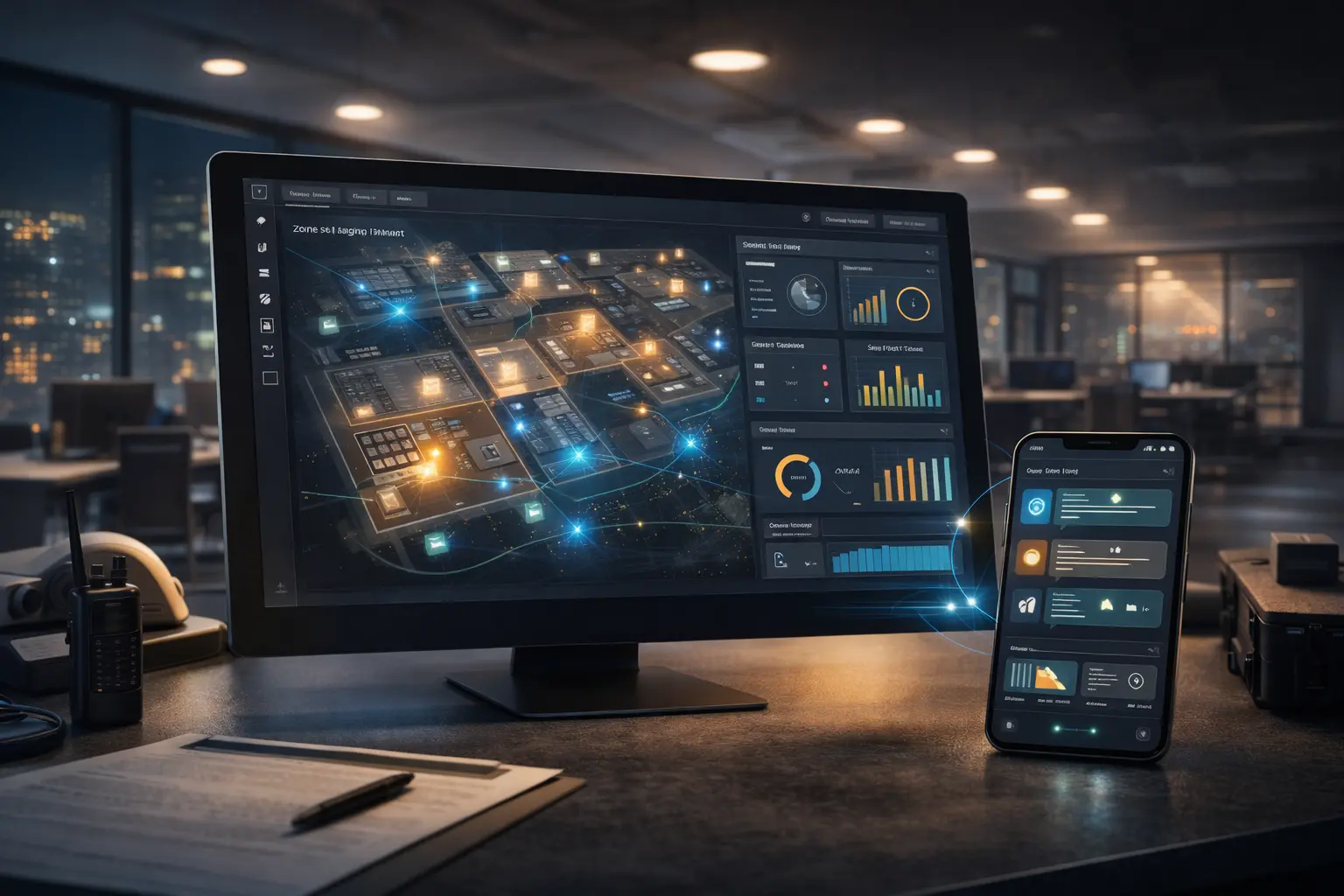
For safety systems to be effective, insights must reach the right people at the right time. Many organizations deploy mobile dashboards and alert systems built using cross platform app development services in Dallas, ensuring accessibility across devices.
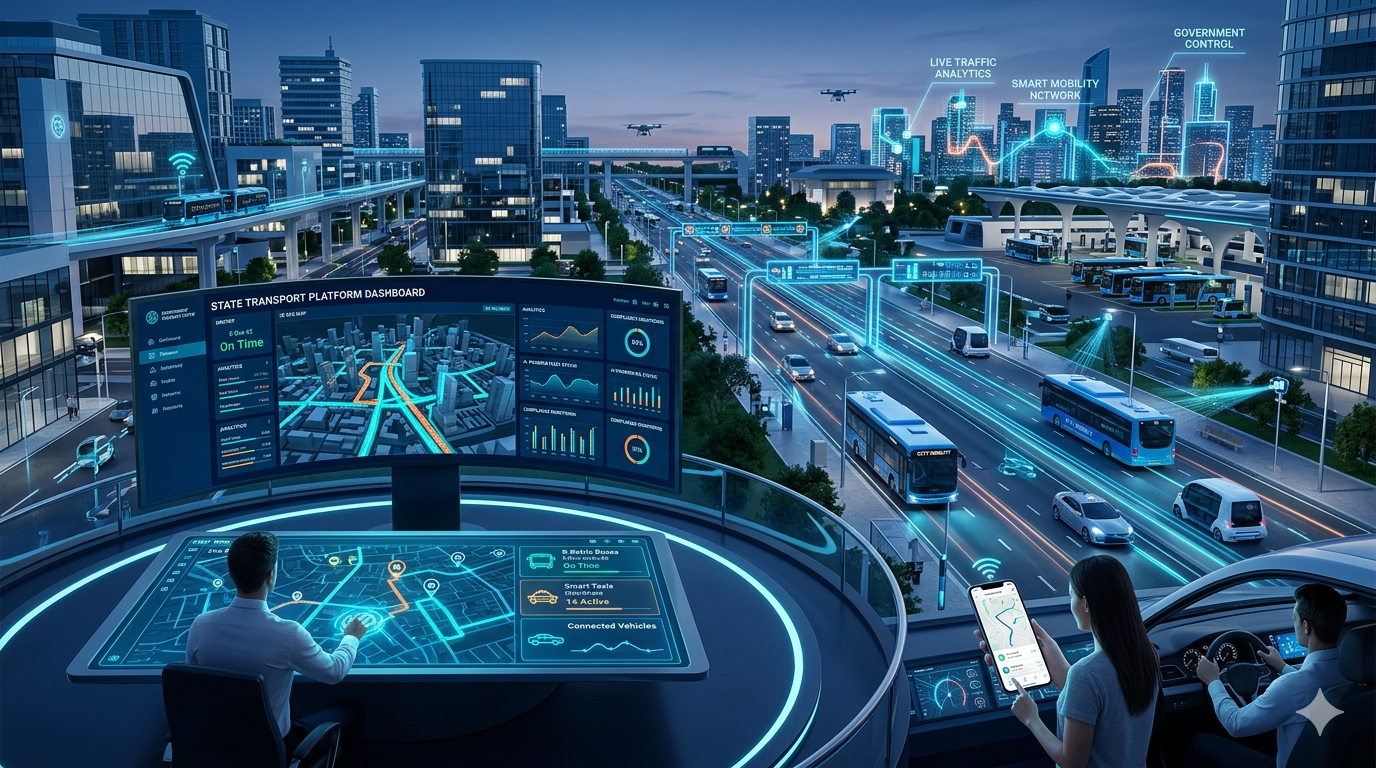
Supervisors receive instant notifications, safety officers track trends, and management gains visibility into compliance metrics. These apps play a key role in enabling fast decision-making and accountability.
Scalable Architectures Powered by Modern Backend Systems
Handling large volumes of sensor data requires robust backend architecture. Many AIoT platforms are built using custom node js development services Dallas to ensure real-time data processing, scalability, and secure integrations.
Node.js enables event-driven architectures that process sensor events instantly, making it ideal for safety-critical applications where delays can be dangerous.
Business Impact of AI and IoT Driven Safety Systems
Organizations adopting AI and IoT for safety see measurable benefits:
- Reduction in workplace accidents by 30 to 50 percent
- Lower insurance and compliance costs
- Improved worker trust and morale
- Stronger regulatory reporting and audit readiness
Beyond compliance, safety becomes a strategic advantage that protects both people and productivity.
Conclusion: Building Safer Industrial Environments with Intelligence
AI and IoT are redefining industrial safety by shifting focus from reaction to prevention. Through continuous monitoring, intelligent analytics, and automated responses, organizations can create safer, more resilient workplaces.
Theta Technolabs helps enterprises design intelligent safety solutions using its expertise across Web, Mobile, and Cloud technologies. As a trusted IoT development company Dallas, Theta Technolabs enables businesses to implement scalable, future-ready AIoT platforms that prioritize worker safety and operational excellence.
Transform Safety from Compliance to Intelligence
High-risk environments demand more than manual oversight. They require systems that think, learn, and act in real time.
Partner with us to build AI and IoT powered industrial safety solutions tailored to your operations.
📧 Contact us at: sales@thetatechnolabs.com
Let us help you protect people, assets, and productivity through intelligent technology.
FAQs
1. How does AI improve workplace safety compared to traditional systems?
AI analyzes patterns and predicts risks before incidents occur, enabling proactive safety measures rather than reactive responses.
2. What industries benefit most from AI and IoT based safety systems?
Manufacturing, construction, energy, logistics, mining, and chemical processing industries see the highest impact due to high-risk operations.
3. Are IoT safety systems difficult to scale?
When built with modern cloud and backend architectures, IoT safety systems scale efficiently as operations grow.
4. Can AI safety systems integrate with existing equipment?
Yes, most solutions are designed to integrate with existing machines using sensors and software adapters.
5. How long does it take to see ROI from AI and IoT safety solutions?
Many organizations see measurable improvements in safety metrics and cost reduction within six to twelve months.


















.png)
.png)




.png)
.png)
.png)
.png)


.png)
.png)
.png)
.png)

.png)





.png)





_How%20Cloud%20Solutions%20Are%20Enhancing%20Remote%20Patient%20Monitoring%20in%20Healthcare_Q4_25.jpg)
_Streamlining%20Appointment%20Scheduling%20with%20Cloud%20Computing%20in%20Dallas%20Healthcare_Q4_25.jpg)
_The%20Impact%20of%20Cross-Platform%20Apps%20on%20Real%20Estate%20Market%20Trends%20in%20Dallas_Q3_24-1.jpg)
_How%20AI%20is%20Enhancing%20Construction%20Site%20Surveillance%20and%20Security%20in%20Dallas_Q3_24-1.jpg)
_Web%20Apps%20for%20Retail%20and%20eCommerce_%20Streamlining%20Operations%20and%20Reducing%20Costs_Q3_24.jpg)