

Healthcare systems around the world struggle with long wait times, overloaded staff, and patients searching for immediate guidance. As digital transformation accelerates, hospitals and clinics are shifting toward virtual triage tools to handle demand efficiently. The newest innovation leading this shift is Agentic AI, a powerful approach where AI systems can reason, decide, and take proactive actions.
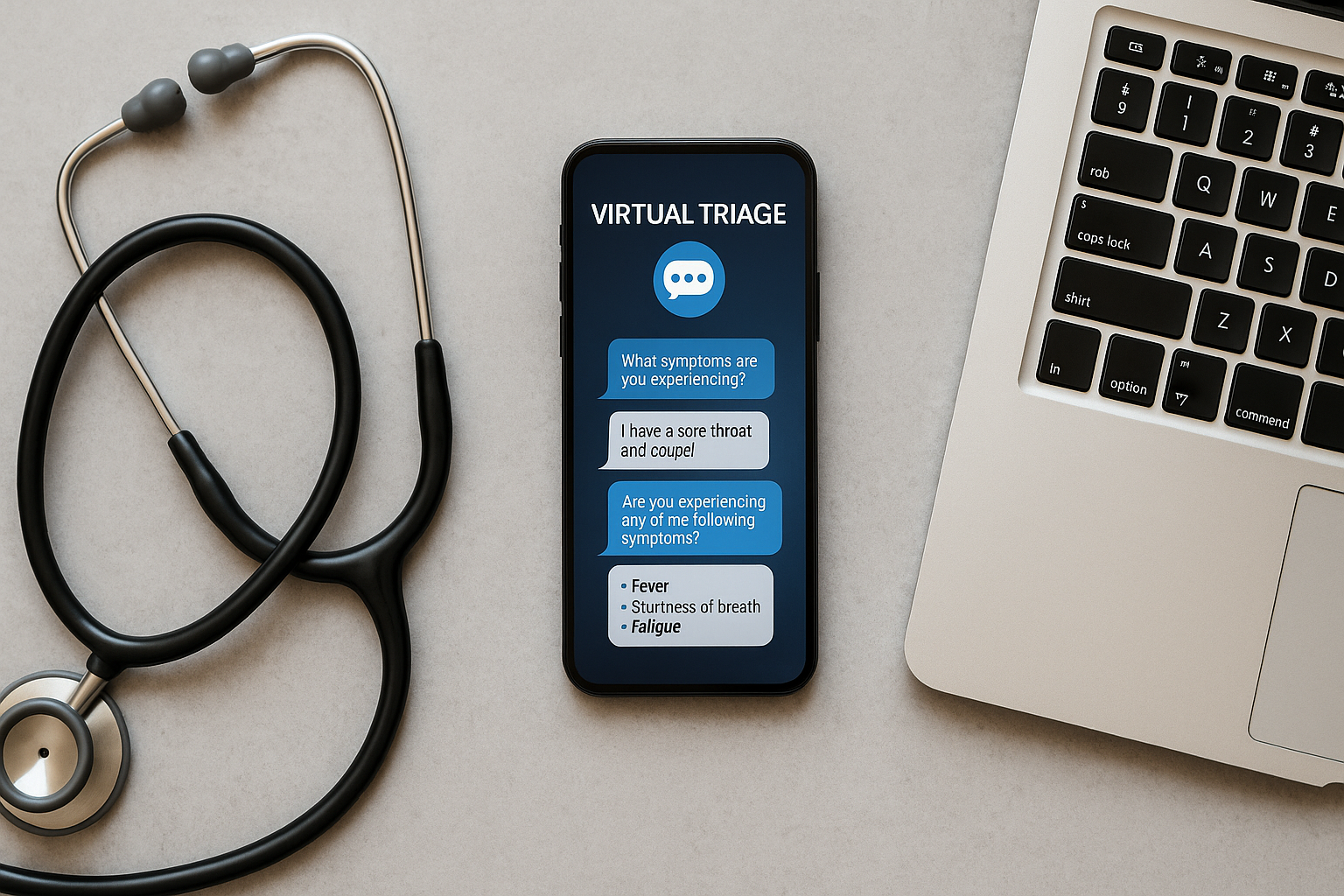
Virtual triage powered by Agentic AI is changing how people access healthcare. It can screen symptoms, guide patients to the right department, automate initial assessments, and support clinicians so they can focus on complex cases. With patients expecting fast, reliable digital experiences, this technology is becoming a strategic necessity for modern healthcare organizations.
In this article, we’ll explore how AI triage systems work, why they matter, real-world applications, a case study featuring Parkview Medical Center, and how healthcare teams can adopt this technology successfully.
What Is Virtual Triage and Why Is It Essential Today?
Virtual triage refers to automated digital systems that evaluate patient symptoms, determine urgency, and direct people to the right care path. It reduces dependency on call centers and minimizes manual screening by clinicians. With rising patient volumes, this approach helps healthcare teams maintain high availability and accuracy without stretching resources.
Agentic AI enhances traditional triage by reasoning through multiple variables like symptoms, severity, patient history, risk factors, and care protocols. It performs complex decision-making at scale and provides an end-to-end flow that improves patient access.
This is where keywords like ai triage systems, patient care automation, and intelligent healthcare chatbots naturally fit into today’s healthcare digital transformation landscape.
How Agentic AI Supports Faster Patient Access
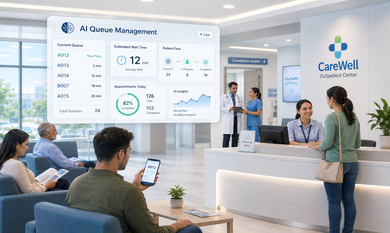
Agentic AI brings structure, speed, and intelligence to patient intake. It not only collects symptoms but analyzes patterns and predicts risk levels. From offering immediate self-care advice to routing urgent cases directly to specialists, the experience becomes far more streamlined than traditional models.
Key Advantages
1. Reduced Wait Times
Patients usually wait for hours to speak to a nurse or doctor. Virtual triage shortens this by automating the first screening and giving instant guidance.
2. Consistent and Accurate Assessments
Human assessments can vary depending on workload or stress. AI systems apply guidelines and protocols consistently every time.
3. Better Patient Experience
With tools like AI patient routing and virtual doctor access, patients receive clarity and direction without confusion.
4. 24/7 Availability
AI never goes offline. It supports patients during nights, weekends, and emergencies when human staff is limited.
5. Scalability for Hospitals
Whether a hospital sees 100 or 10,000 patients a day, Agentic AI handles assessments without added staffing costs.
These benefits make Agentic AI-powered virtual triage extremely valuable for hospitals dealing with rising expectations and limited human resources.
Core Features That Make Virtual Triage Effective
Automated Symptom Checking
AI evaluates symptoms using trained medical models and clinical guidelines.
Smart Care Assistants
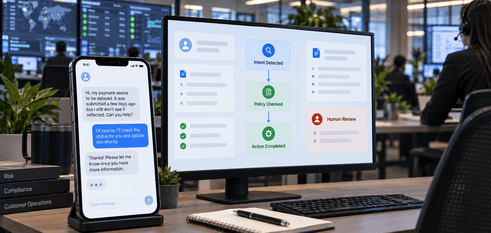
Systems equipped with smart care assistants can ask clarifying questions, analyze the answers, and refine the triage results.
Risk Scoring and Assessment
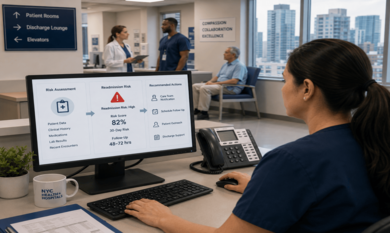
Using historical data, current conditions, and protocols, AI assigns risk scores that classify patients safely.
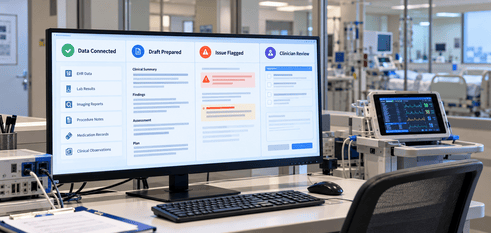
EHR and Hospital System Integration
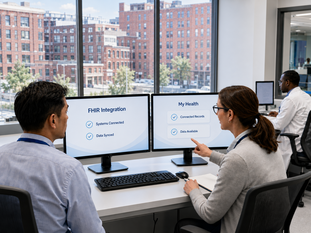
Virtual triage can update patient records, schedule appointments, and notify doctors automatically.
Support for Multiple Platforms
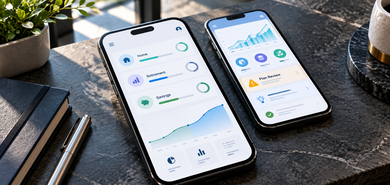
With tools built using flutter application development services dallas, providers can deploy mobile triage apps on both iOS and Android for wider accessibility.
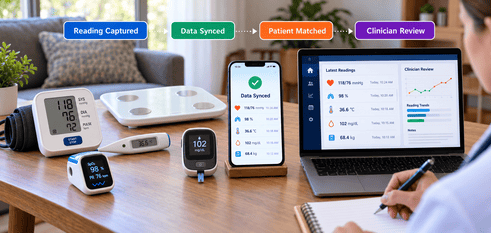
IoT-Enabled Monitoring
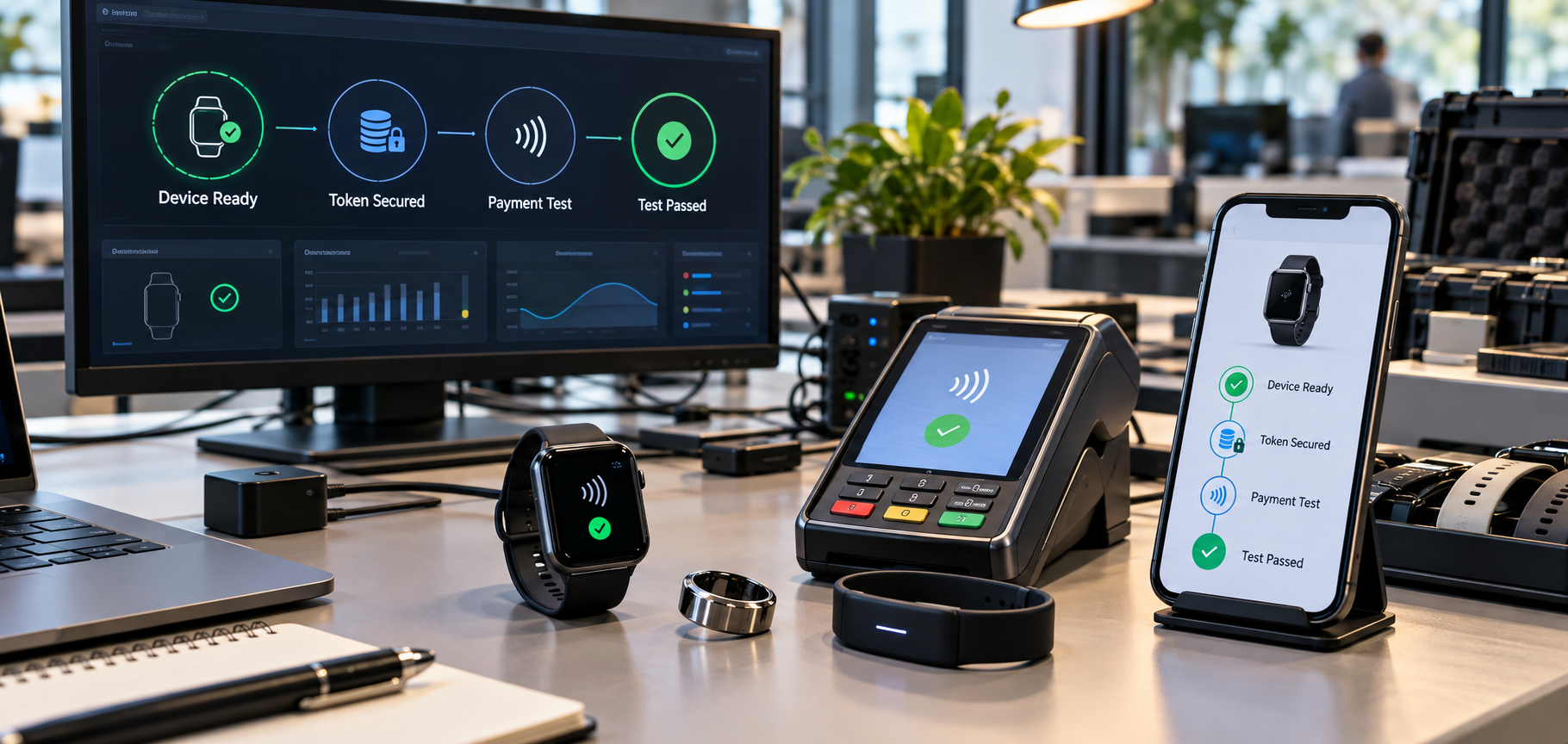
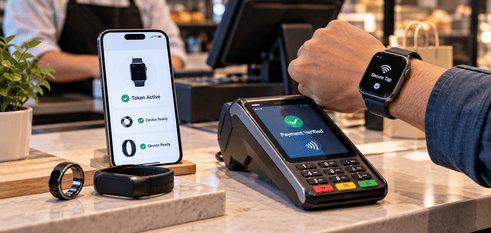
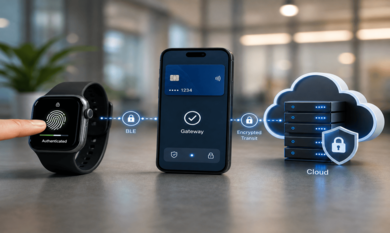
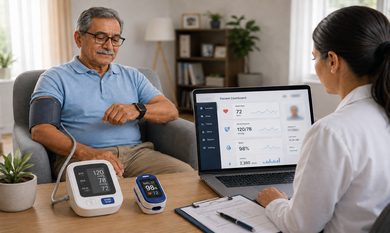
Solutions built using iot application development services dallas can integrate with wearables and advanced devices for continuous data monitoring.
Real-World Applications Across Healthcare
1. Primary Care Clinics
AI triage screens non-urgent concerns so doctors can dedicate more time to chronic and complex issues.
2. Emergency Departments
Triage assistants help identify critical symptoms early, reducing the chance of missed emergencies.
3. Telemedicine Services
Virtual consultation platforms use AI to evaluate symptoms before a doctor joins the call.
4. Specialty Clinics
Neurology, cardiology, pediatrics, and mental health departments use AI to categorize patients more efficiently.
5. Home-Based Healthcare
Tools connected to wearables enable proactive guidance for at-risk individuals.
Through these applications, healthcare organizations benefit from digital healthcare triage, automated medical chatbots, and AI patient access platforms in day-to-day operations.
Case Study: How Parkview Medical Center Reduced Overload with Agentic AI
Parkview Medical Center, a large multispecialty hospital system, faced a major challenge. Telephonic inquiries were overwhelming for the nursing staff, leading to long delays and rising patient dissatisfaction. Patients often waited 20 to 30 minutes for triage calls, and the backlog kept growing.
To address this, Parkview deployed an Agentic AI virtual triage solution that handled initial assessments and symptom screening.
Results After Six Months
- Nurse workload reduced by 45 percent
- Triage wait times dropped from 22 minutes to under 3 minutes
- ER saw fewer non-urgent walk-ins thanks to accurate AI-based routing
- Patient satisfaction scores improved significantly
- Medical staff reported less burnout and better workflow balance
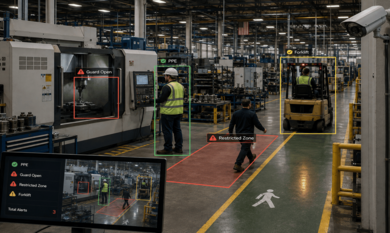
Parkview’s transformation demonstrates the real impact of creating systems powered by AI crowd monitoring, public safety video analytics, and computer vision alert systems in broader public health settings. It also highlights how digital tools reduce pressure on clinical teams while improving population-wide access to care.
Why Healthcare Organizations Are Accelerating AI Triage Adoption
Healthcare leaders recognize measurable outcomes such as:
- Faster care delivery
- More accurate prioritization
- Better staff efficiency
- Lower operational costs
- Higher patient trust
As digital engagement grows, hospitals increasingly rely on virtual doctor access, digital healthcare triage, and smart care assistants to keep up with expectations.
How to Implement Agentic AI Virtual Triage Successfully
1. Start with Clear Use Cases
Decide whether the goal is to reduce ER load, improve telemedicine efficiency, or support remote patient care.
2. Integrate with Existing Systems
AI tools must connect smoothly with EHRs, appointment systems, and communication platforms.
3. Ensure Compliance and Safety
Security, privacy, and ethical assessment models must be prioritized at every step.
4. Train Staff for Hybrid Workflow
Human clinicians should stay in the loop for escalations and complex cases.
5. Use Patient-Friendly Interfaces
Simple conversational flows encourage more people to use the triage system confidently.
Conclusion
Virtual triage powered by Agentic AI is one of the most impactful healthcare innovations of the decade. It improves patient access, reduces clinical workload, increases safety, and supports hospitals in delivering more consistent care. As healthcare continues moving toward automation, adopting intelligent triage solutions will become fundamental to achieving operational excellence.
Healthcare organizations looking to upgrade their patient access systems can collaborate with Theta Technolabs, a trusted agentic ai development company dallas, to build solutions that meet modern healthcare demands across Web, Mobile and Cloud environments. The team also offers advanced no code app development services dallas for rapid deployments tailored to each hospital’s needs.
For project discussions, consultation, or implementation support, contact:
📧 sales@thetatechnolabs.com































.png)





.png)

























.png)