

Metal fabrication units in Houston operate in one of the most competitive industrial environments in the United States. From oil and gas components to construction materials, aerospace parts, and heavy machinery, fabrication units are expected to deliver high precision at scale. However, one persistent challenge continues to impact profitability and efficiency, high scrap rates.
Scrap does not only mean wasted raw material. It also includes lost machine time, rework costs, delayed deliveries, and quality risks. This is where Machine learning development services in Houston are helping fabrication units shift from reactive quality control to predictive and data-driven production.
By applying machine learning to production data, metal fabrication units can identify defects early, understand root causes, and continuously optimize processes to reduce waste and improve yield.
Why Scrap Rates Remain a Major Challenge in Metal Fabrication
Scrap in metal fabrication can occur at multiple stages such as cutting, bending, welding, machining, and finishing. Common causes include material inconsistencies, tool wear, improper machine settings, operator variability, and environmental factors like temperature or vibration.
Traditional quality checks often happen after production, when defects have already occurred. Manual inspections and rule-based thresholds fail to capture complex relationships between variables. As production volumes increase, these limitations become more costly.
Scrap rate reduction analytics powered by machine learning offer a smarter way to detect problems before they escalate into large-scale losses.
How Machine Learning Changes Scrap Management
Machine learning analyzes historical and real-time production data to identify patterns that are difficult for humans to detect. Instead of relying on fixed rules, ML models learn from actual outcomes.
In metal fabrication, industrial machine learning models can analyze data such as machine parameters, sensor readings, material properties, and inspection results. These models predict when defects are likely to occur and suggest corrective actions in advance.
This approach transforms quality control from reactive inspection into predictive quality control that continuously improves with more data.
Realistic Scenario from a Houston Fabrication Plant
Consider a Houston-based fabrication unit producing steel components for energy infrastructure. Despite experienced operators, the plant faces inconsistent scrap levels, especially during high-volume production runs.
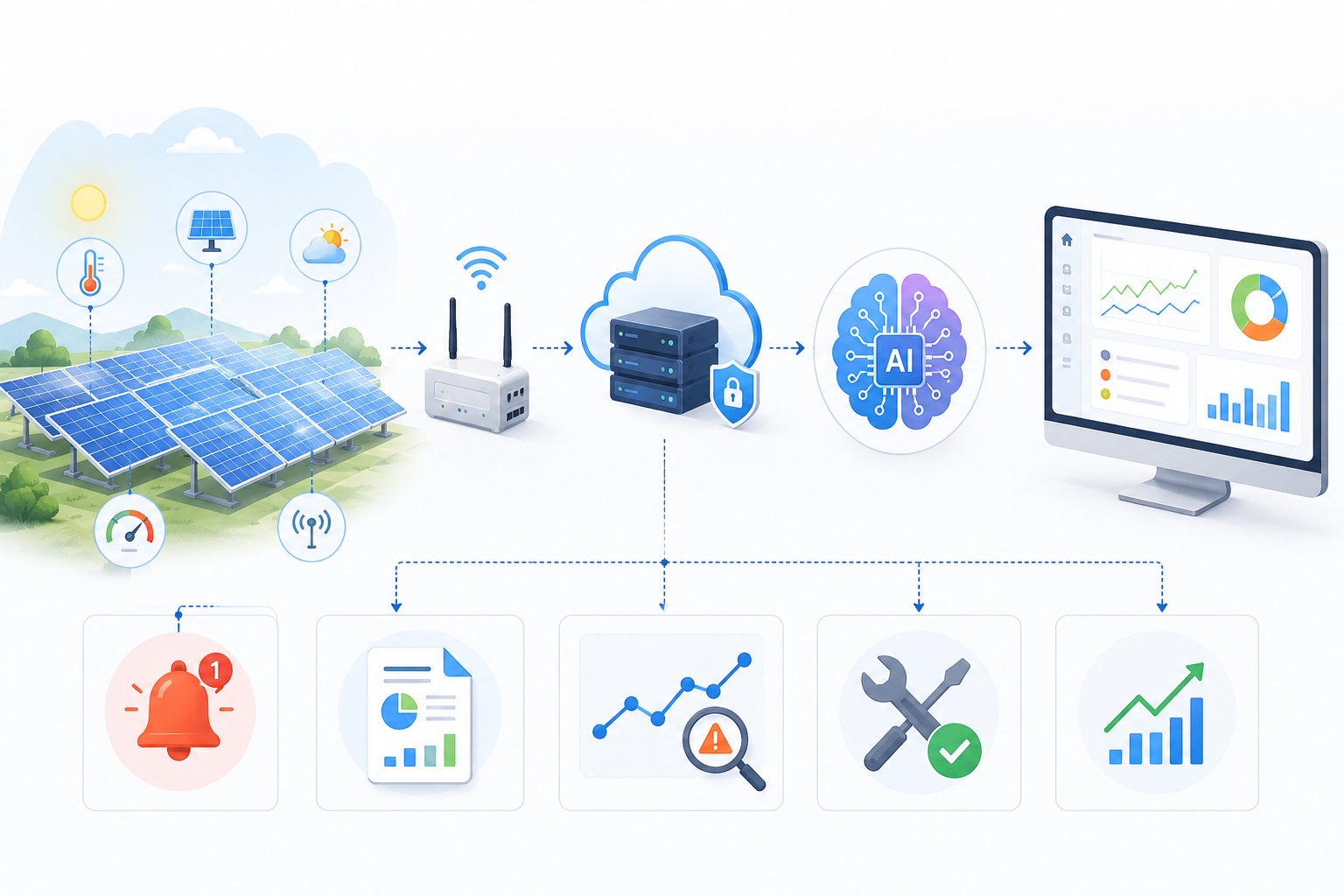
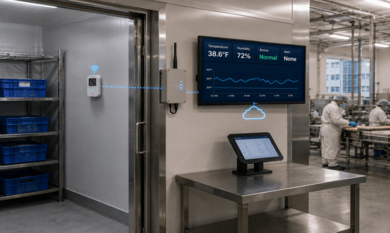
By implementing machine learning models connected to CNC machines and welding stations, the plant begins monitoring torque, temperature, vibration, feed rates, and material batches in real time.
The system identifies subtle patterns that precede defects, such as tool degradation combined with specific material lots. Supervisors receive alerts before defect rates increase. Over time, the plant achieves measurable manufacturing yield optimization and reduces scrap costs significantly.
Solution Implementation with an AI Development Company in Houston
Successful implementation requires more than deploying algorithms. A skilled AI development company in Houston focuses on aligning machine learning with shop floor realities.
The process typically begins with data collection and integration from machines, sensors, MES systems, and quality databases. Data is cleaned, labeled, and structured to reflect real production conditions.
Next, machine learning models are trained to identify correlations between process variables and defect outcomes. These models are validated using historical production data before being deployed into live environments.
The solution is designed to work alongside operators, providing insights rather than replacing human expertise.
AI-Driven Defect Detection in Fabrication Processes
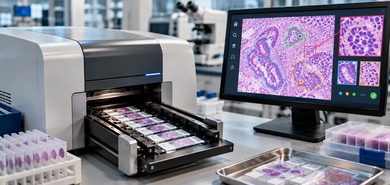
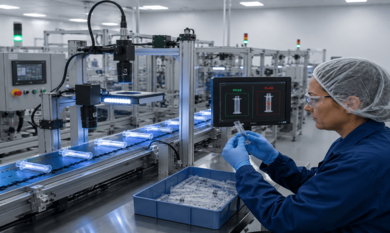
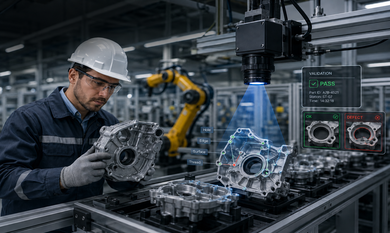
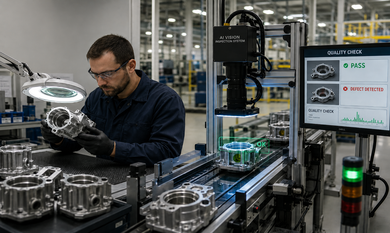
One of the strongest applications of machine learning is AI-driven defect detection. Vision systems, sensor fusion, and anomaly detection algorithms can identify defects that are invisible to the human eye.
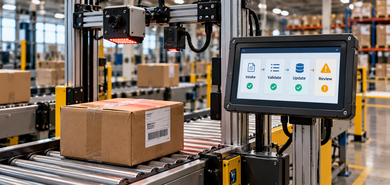
For example, computer vision models can detect micro-cracks, surface irregularities, or weld inconsistencies during production. Sensor-based anomaly detection in fabrication identifies deviations in machine behavior that signal upcoming defects.
By catching issues early, plants reduce rework, prevent defective batches, and protect downstream processes.
Predictive Analytics for Scrap Reduction and Optimization
Predictive analytics allows fabrication units to anticipate quality issues before they occur. An experienced AI development company in Houston applies predictive models to optimize machine settings, maintenance schedules, and production parameters.
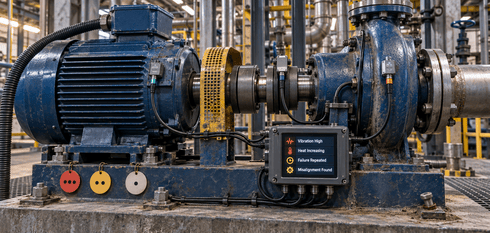
Machine learning predicts when tools need replacement, which settings lead to higher scrap under specific conditions, and how environmental factors impact output quality.
This enables proactive adjustments that support consistent quality and stable production. Predictive quality control also reduces unplanned downtime and improves overall equipment effectiveness.
Real-Time Production Analytics on the Shop Floor
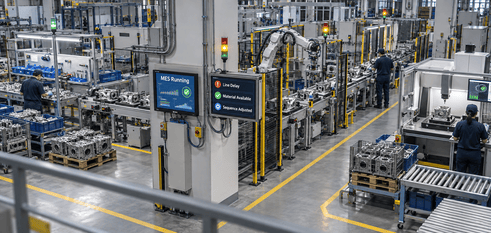
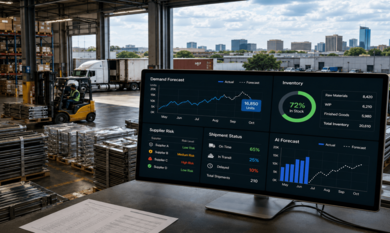
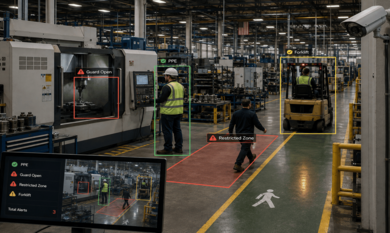
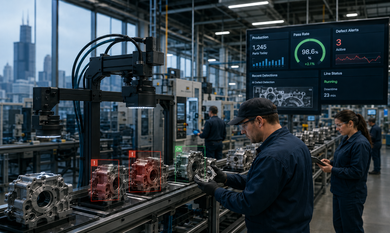
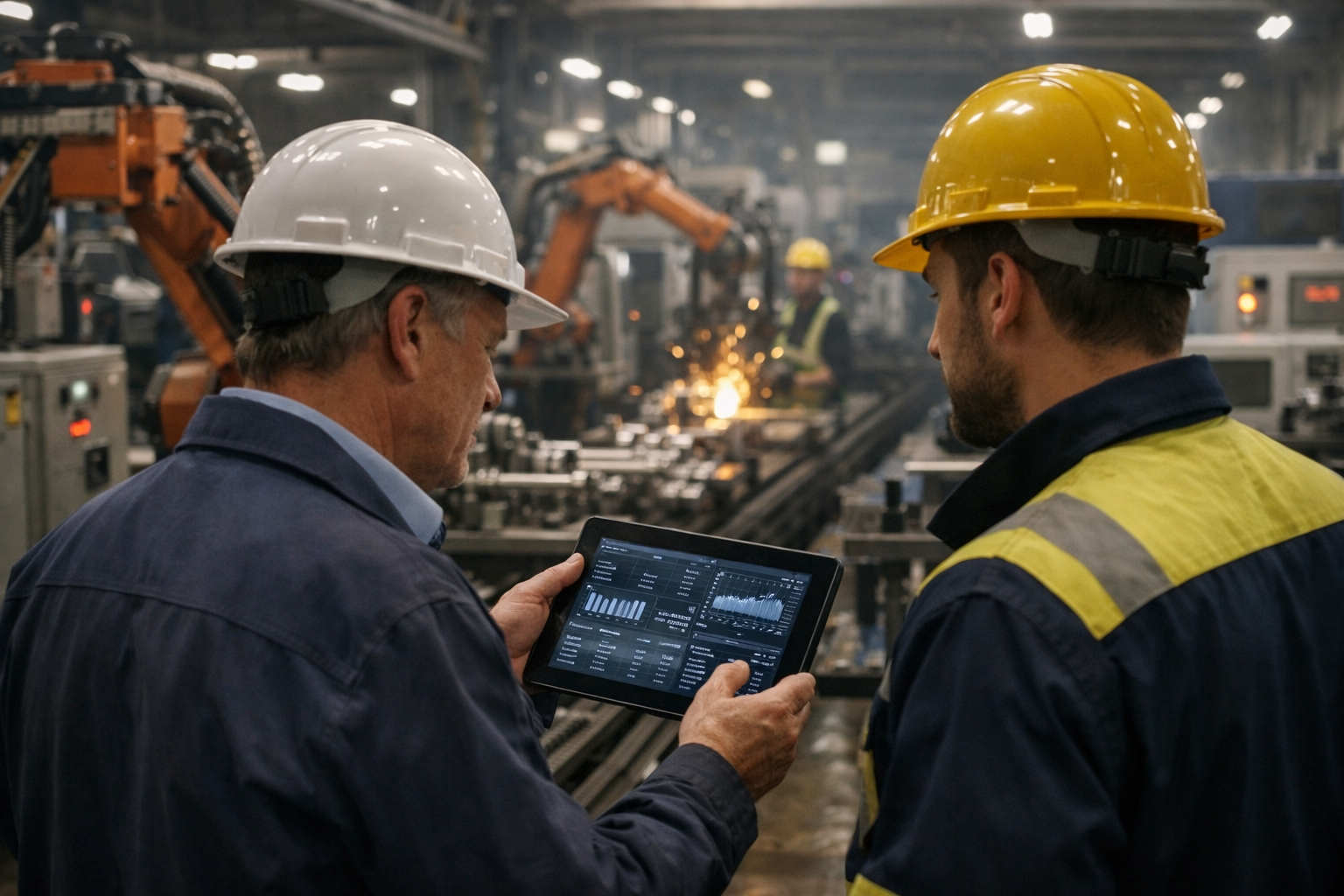
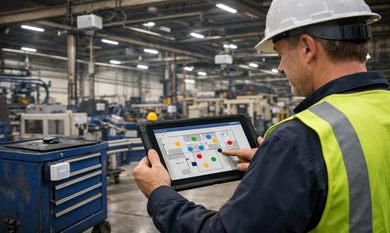
Machine learning becomes even more powerful when combined with real-time production analytics. Live dashboards display quality metrics, scrap trends, and anomaly alerts for operators and supervisors.
These insights allow teams to act immediately instead of waiting for end-of-shift reports. Real-time production analytics also help managers compare shifts, machines, and materials to identify best practices and improvement opportunities.
When integrated with smart manufacturing systems, this data creates a closed feedback loop for continuous improvement.
ROI and Business Impact for Fabrication Units
Reducing scrap has a direct impact on profitability. Machine learning solutions deliver value across multiple dimensions.
Material costs drop as waste decreases. Labor efficiency improves because less time is spent on rework. Machine utilization increases due to fewer stoppages. Quality consistency strengthens customer trust and reduces warranty claims.
Scrap rate reduction analytics also provide leadership with data-backed insights to support investment decisions, process changes, and capacity planning.
Supporting Industry 4.0 and Smart Manufacturing
Machine learning plays a central role in Industry 4.0 strategies. Fabrication units in Houston are increasingly adopting smart manufacturing systems that combine automation, data analytics, and AI.
Machine learning integrates seamlessly with existing systems such as ERP, MES, and quality platforms. It enhances digital twins, supports continuous optimization, and enables data-driven decision-making at scale.
This positions fabrication units to remain competitive in an evolving industrial landscape.
Challenges and Best Practices for Adoption
While machine learning offers strong benefits, successful adoption requires careful planning. Data quality, operator trust, and system integration are common challenges.
Best practices include starting with high-impact use cases, involving production teams early, and deploying explainable models that operators can understand. Continuous model retraining ensures accuracy as processes evolve.
Partnering with experienced machine learning specialists reduces risk and accelerates value realization.
The Future of Scrap Reduction in Metal Fabrication
As machine learning models become more advanced, fabrication units will move beyond defect detection toward self-optimizing production lines. AI systems will automatically adjust parameters in real time to maintain optimal quality.
Combined with robotics and advanced analytics, machine learning will help Houston fabrication units achieve higher efficiency, lower costs, and more sustainable operations.
Reduce Scrap and Improve Yield with Machine Learning
If your fabrication unit is ready to reduce waste and improve production efficiency, Machine learning development services in Houston from Theta Technolabs can help.
We design and deploy industrial-grade machine learning solutions across Web, Mobile and Cloud platforms, tailored for metal fabrication, quality control, and manufacturing optimization.
📩 Connect with our industrial AI experts:
sales@thetatechnolabs.com
Let’s transform your production data into measurable cost savings and long-term operational excellence.


























.png)




.png)
























.png)