

Energy management is no longer just about tracking usage or lowering bills. Today, it is about building systems that understand energy patterns, anticipate demand, optimize consumption, and eliminate waste automatically.
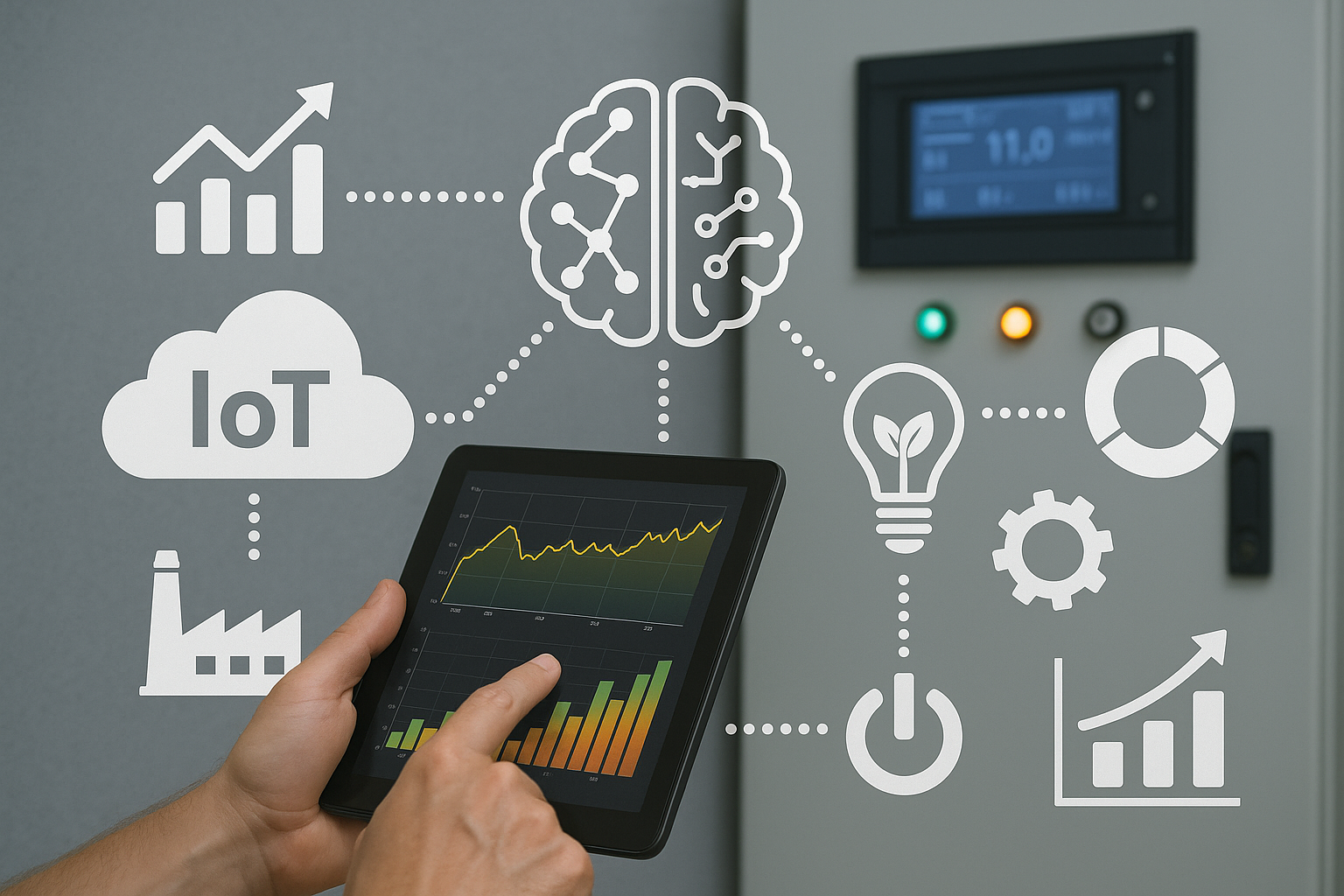
This is where the combination of IoT and Machine Learning (ML) is creating a revolution. When connected devices capture real-time data and intelligent models analyze it, energy management systems evolve into something far more powerful. They become adaptive infrastructures that help businesses, utilities, and households operate efficiently.
Across Dallas, decision-makers are turning toward energy analytics IoT platforms in Dallas to gain granular insights and automate smarter energy decisions.
In this article, we explore how IoT and Machine Learning are reshaping energy management, why businesses are investing in this combination, and how real scenarios prove measurable ROI.
Understanding the Strength of IoT in Energy Monitoring
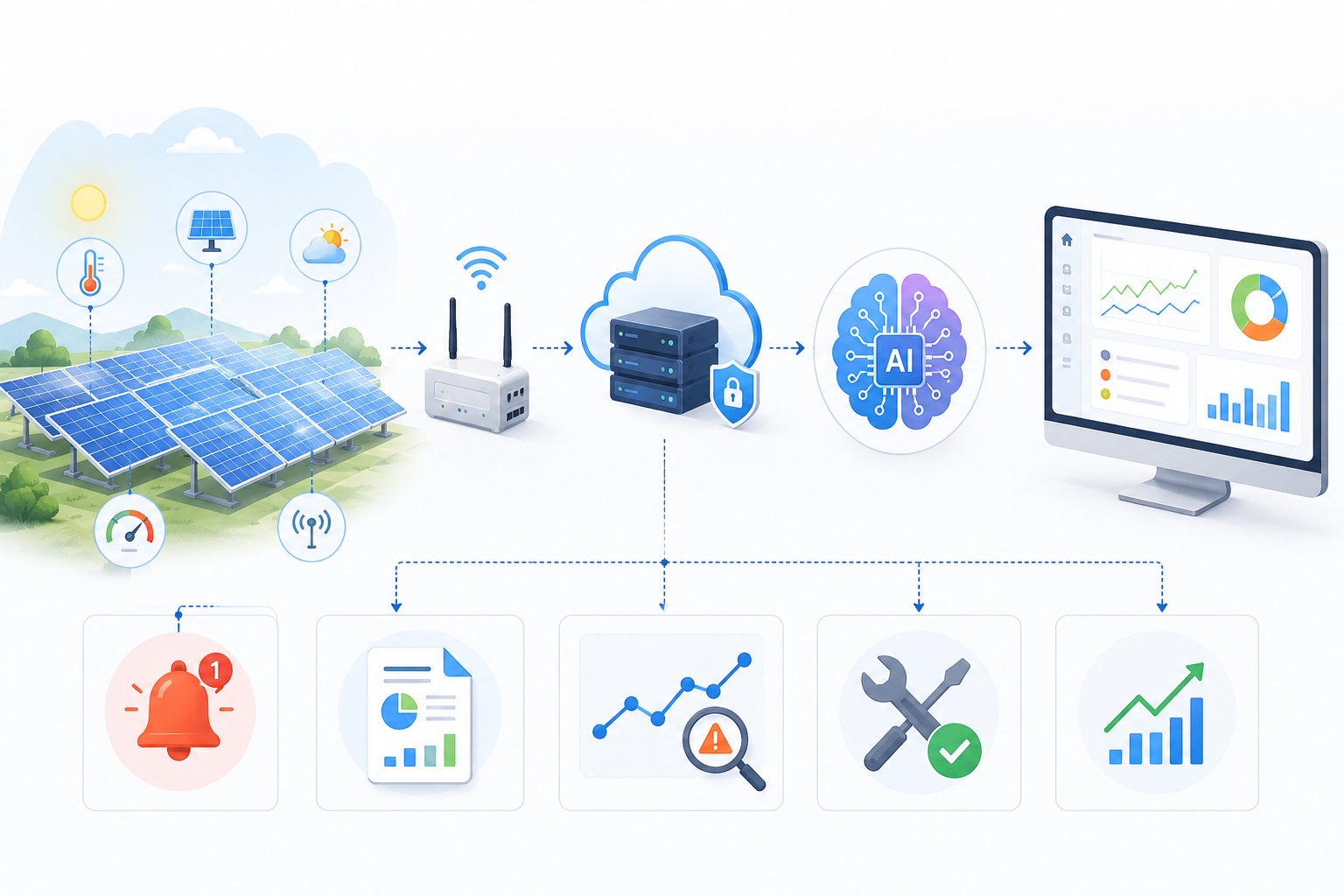
IoT acts as a sense of energy ecosystem.
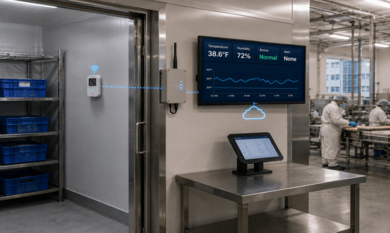
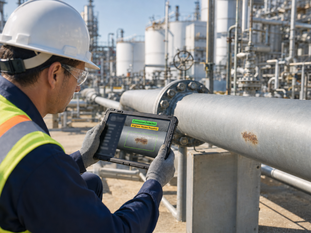
Smart meters, industrial sensors, connected routers, and distributed monitors capture voltage fluctuations, device level consumption, time-based usage, load spikes, anomaly signals, and environmental conditions.
This real-time data is extremely valuable, but raw data alone cannot produce optimization. This is where Machine Learning adds real power.
Machine Learning Brings Intelligence to Energy Data
Machine Learning turns patterns into actions.
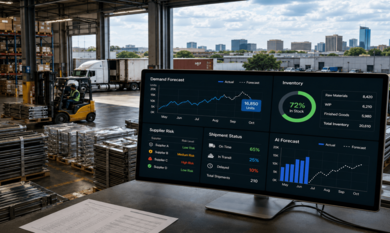
With predictive consumption analysis, ML models can forecast demand, detect unusual spikes, schedule loads, optimize HVAC and lighting, reduce peak time expenses, and recommend operational changes.
When applied correctly, even small changes can lead to large savings.
Scenario: How a Dallas Manufacturing Plant Saved 23 Percent on Energy Costs
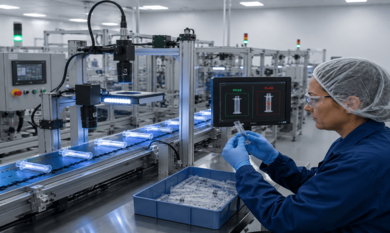
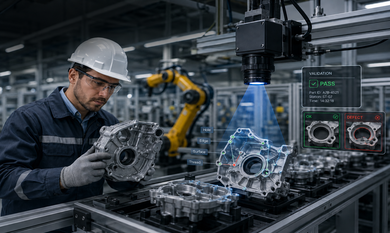
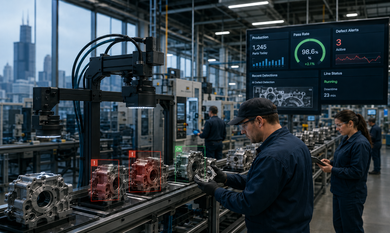
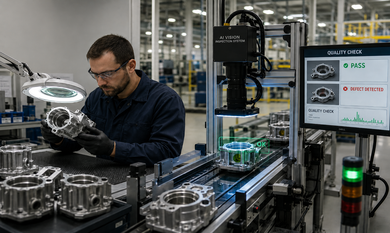
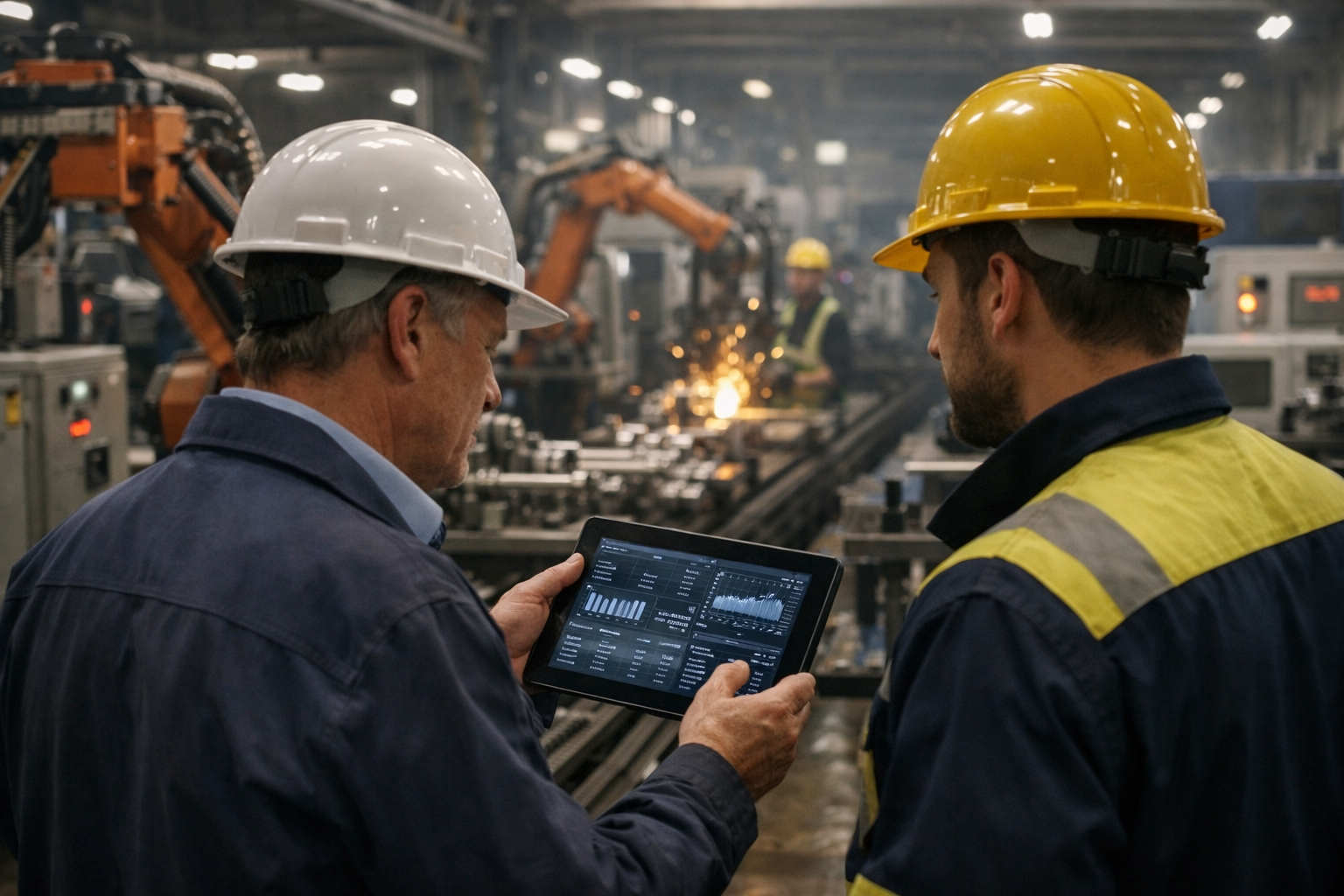
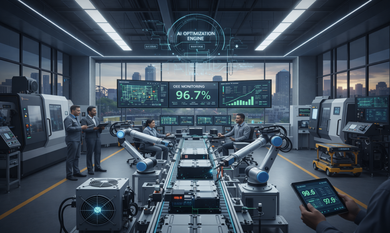
A mid-size manufacturing plant in Dallas installed IoT smart meters, production line sensors, temperature and humidity monitors, and an ML driven energy optimization engine.
Before implementing the system, they struggled with unpredictable energy spikes, wasted hours of consumption, overused cooling systems, and lacked actionable insights.
After deployment, the results were strong.
Predictive energy efficiency reduced waste by 18 percent. Smarter cooling schedules added 5 percent additional savings. Anomaly detection prevented two major machinery faults, and management gained real time IoT energy insights.
Within nine months, total measurable savings exceeded 120,000 dollars.
This is not a theory. This is a measurable business value.
How IoT Smart Grids Are Becoming More Reliable
Smart grids rely on distributed IoT devices connected to regional or city scale infrastructure.
They enable real-time load balancing, distributed power routing, integration with solar and wind, rapid fault detection, and predictive maintenance.
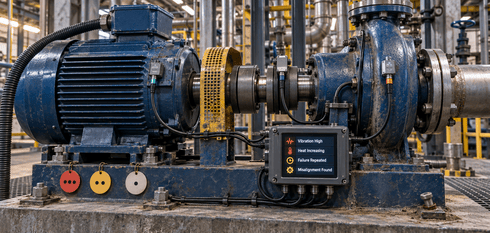
Example only. When sensors detect deteriorating transformer performance, ML models alert technicians' days or weeks before failure. This reduces outages and maintenance costs.
Dallas utilities are already piloting these enhancements as part of long-term infrastructure planning.
Predictive Energy Forecasting: The Most Valuable Advantage
Traditional energy management reacts. Predictive systems plan ahead.
ML models learn patterns such as seasonal consumption, weather impact, operational cycles, equipment aging effects, and weekday versus weekend behavior.
This allows businesses to schedule energy heavy tasks, equipment servicing, load distribution, battery charging cycles, and demand response actions.
The result is both cost savings and improved operational reliability.
Real Life Example: Office Buildings Using Intelligent Monitoring
Consider a commercial office building in Dallas managing hundreds of lights, multiple HVAC units, elevators, conference room occupancy, and server rooms.
By integrating occupancy sensors, smart thermostats, ML forecasting, and automated control APIs, the building reduced HVAC energy consumption by 27 percent, lighting waste by 40 percent, and maintenance cost through predictive alerts.
Employees also reported improved comfort due to dynamic adjustments.
This is the advantage of intelligent energy monitoring in action.
Why Businesses Need Both IoT and Machine Learning Together
Using IoT without ML results in overwhelming data, slow analysis, and reactive decisions.
Using ML without IoT results in incomplete data and poor forecasts.
Together they deliver visibility, smart decision making, automation, forecasts, cost reduction, and scalable efficiency.
For companies building modern infrastructure, this combination has become a strategic priority.
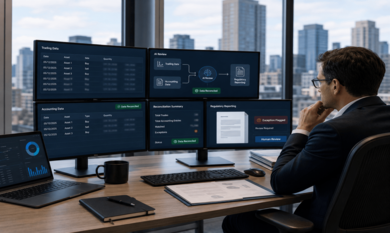
How Apps Enhance Energy Management Systems
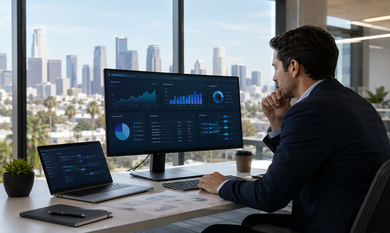
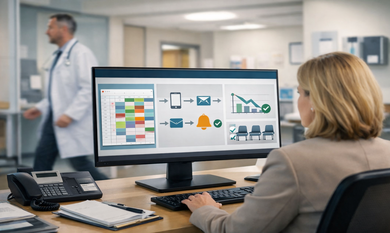
Mobile and web apps allow teams to monitor performance, receive alerts, adjust parameters, generate reports, and automate workflows.
Many organizations rely on a machine learning development company in dallas or kotlin app development services dallas to build dashboards and controls that integrate seamlessly with energy systems.
With mobile apps, insights are no longer trapped in control rooms. They become accessible to engineers and management on the go.
Conclusion
The combination of IoT and Machine Learning is defining the next generation of energy management systems.
By delivering accurate insights, predictive capabilities, and automation, these technologies help organizations reduce waste, improve reliability, meet sustainability goals, and unlock measurable savings.
As companies evolve toward efficient and intelligent infrastructure, choosing the right technology partner becomes critical.
As a trusted iot development services dallas, Theta Technolabs helps businesses build scalable and data driven energy solutions across Web, Mobile and Cloud.
For project discussions or expert guidance, email us at sales@thetatechnolabs.com.
Build Smarter Energy Systems Today
If you want to implement intelligent energy monitoring, predictive forecasting, or connected energy apps, our team can design and deploy solutions tailored to your goals.
FAQs
1. How can IoT and Machine Learning together improve energy management for businesses?
IoT devices collect real-time operational and consumption data while Machine Learning analyzes it to forecast demand, detect waste, and automate optimization. Together they create adaptive systems that reduce cost and improve reliability with minimal manual effort.
2. What kind of savings can companies realistically expect?
Savings depend on scale and usage patterns, but most businesses can see energy reductions between 15 percent and 30 percent. Additional benefits include lower maintenance costs and fewer unexpected breakdowns.
3. Do businesses need to replace existing equipment to adopt smart energy systems?
No. Most existing meters and infrastructure can be integrated through IoT gateways and APIs. Companies can start small with key equipment and expand as results are measured.
4. How secure are IoT energy solutions?
With encryption, device authentication, secure APIs, and role-based access, modern IoT energy platforms meet enterprise security requirements. Security is treated as a core part of system design.
5. How long does implementation usually take?
Basic deployments can take four to eight weeks. Larger industrial or multi-site installations may take longer depending on device quantity and integration complexity.


















.png)



.png)




















.png)






















.png)