Small and medium-sized enterprises (SMEs) are increasingly adopting digital solutions to stay competitive. However, managing computing resources, storage, security, and performance while keeping costs under control is a challenge for most growing businesses. This is where hybrid cloud models are becoming a practical and powerful choice.
A hybrid cloud integrates both public and private cloud environments, allowing SMEs to scale resources on demand while keeping sensitive processes secure. For businesses that want agility, cost-effectiveness, and reliable performance, this setup offers the perfect balance.
As more companies work with partners like a web and app development company dallas, the hybrid approach ensures that modern applications and digital systems run with better efficiency and optimization.
This detailed guide explores how hybrid cloud helps SMEs optimize resource allocation, reduce costs, improve flexibility, and plan for long-term digital growth.
Why Hybrid Cloud Is Ideal for SMEs
SMEs need cost-saving solutions that do not compromise on performance or security. Unlike large enterprises, small businesses often lack dedicated IT teams, advanced infrastructure, and high-capacity data centers. This makes the hybrid cloud model especially beneficial.
1. Flexibility to Scale Resources
SMEs frequently deal with fluctuating workloads. During peak seasons, resource usage rises sharply. Hybrid cloud allows companies to scale up workloads using public cloud services and reduce them later when demand drops. This improves Cloud resource flexibility, which is essential for growing companies.
2. Efficient Workload Distribution
Hybrid cloud lets SMEs run sensitive or critical operations on private infrastructure while processing heavy workloads on public cloud servers. This strategy ensures business continuity and prevents system overloads.
How Hybrid Cloud Optimizes Resource Allocation
Hybrid cloud is much more than a storage solution. It is a strategy that helps SMEs plan, monitor, and optimize digital workloads in real time.
Here’s how hybrid cloud improves business operations:
1. Smart Resource Utilization
SMEs often face underutilized servers or overloaded systems. Hybrid cloud models help balance computing usage by distributing workloads efficiently. Companies can use private cloud for essential functions and shift additional work to the public cloud. This method improves:
- Processing speed
- Storage efficiency
- Server availability
- Application performance
Modern tools also enable cloud performance management, giving SMEs real-time visibility into consumption patterns.
2. Cost Optimization Through Hybrid Cloud
One of the biggest benefits of hybrid cloud is cost savings. Many SMEs worry about the high expenses of full cloud migration. Hybrid models solve this with a balanced approach.
SMEs save money by:
- Paying only for the public cloud resources they use
- Avoiding expensive hardware investments
- Reducing downtime
- Eliminating costs of unused capacity
This makes hybrid cloud an excellent option for cost-effective cloud migration, especially for companies that want scalability without overspending.
3. Support for Legacy and Modern Applications
Many SMEs still run older systems or industry-specific software. A hybrid cloud makes it easier to integrate these with modern cloud applications. With support from specialized partners like custom healthcare software development services dallas, small businesses in sectors like healthcare, logistics, manufacturing, and finance can modernize their digital operations without fully abandoning their existing tools.
4. Improving Performance During High Usage
When customer activity spikes, SMEs often struggle with slower systems or performance bottlenecks. Hybrid cloud allows businesses to move non-critical tasks to the public cloud so core functions continue running smoothly.
This capability supports:
- Website traffic spikes
- Online store sales events
- Inventory processing
- Seasonal customer demand
- Large data processing
This is especially important for digital brands working with a web and app development company dallas to build modern platforms that require strong backend support.
5. Enhanced Data Security and Business Continuity
SMEs need affordable ways to keep data safe. Hybrid cloud lets them store sensitive information in private environments while using public servers for high-volume operations. This avoids the risk of placing everything in a single system.
Security benefits include:
- Faster disaster recovery
- Encrypted private cloud environments
- Controlled access for sensitive data
- Continuous backups
Real-World Scenario: Streamlining Operations With a Hybrid Cloud
Case Example
A mid-size electronics retailer in Texas struggled with managing seasonal sales spikes. Their on-premise servers failed to handle high transaction volumes, leading to slow checkout, delayed inventory updates, and customer dissatisfaction.
The company adopted a hybrid cloud strategy, shifting inventory analytics and marketing workloads to the public cloud while keeping payment processes in a private environment. Within three months, the company reported:
- 40 percent improvement in checkout speed
- 27 percent reduction in operational costs
- Zero downtime during major sales events
- Stronger security for payment systems
This example shows how Optimized SME computing helps small businesses stay agile and operationally strong.
Why Hybrid Cloud Is Affordable for SMEs
Many SMEs mistakenly believe hybrid cloud solutions are complicated or expensive. However, modern tools and platforms have made cloud adoption more accessible.
SMEs enjoy:
- Monthly subscription pricing
- Pay-as-you-go scalability
- No heavy upfront investment
- Built-in security layers
- Centralized cloud dashboards
This makes SME cloud migration achievable even for small IT teams.
Hybrid Cloud Supports SME Growth and Innovation
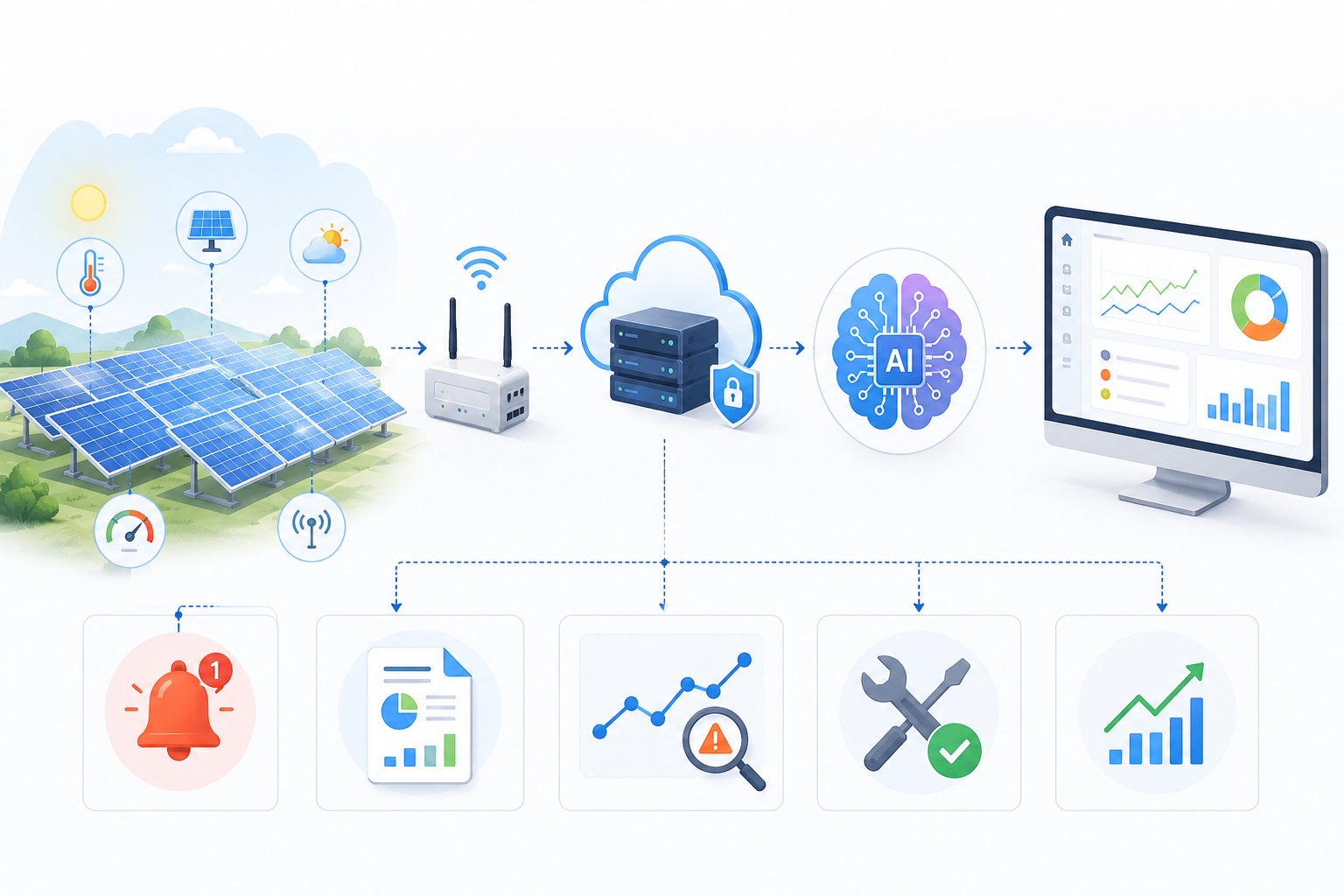
Hybrid cloud is not just about managing resources. It also supports future innovations that SMEs may adopt, such as:
- Internet of Things (IoT)
- AI analytics
- Real-time dashboards
- E-commerce platforms
- Mobile apps
- Automation workflows
With seamless integration between public and private systems, hybrid cloud supports all modern digital transformation journeys.
When Should SMEs Consider Hybrid Cloud
Your business should explore hybrid cloud if you:
- Experience unpredictable workloads
- Want to reduce operational costs
- Need stronger data security
- Use a mix of old and new applications
- Want quick scalability
- Plan to adopt AI, automation, or advanced digital tools
Hybrid cloud is suitable for retail, finance, manufacturing, logistics, healthcare, real estate, and nearly all service-oriented SMEs.
Conclusion
Hybrid cloud is one of the most effective ways for SMEs to optimize resource allocation, streamline operations, and reduce spending. It enables flexible scaling, balanced workloads, improved security, and better performance management. With the right partner, SMEs can modernize their systems without disrupting operations. Theta Technolabs provides advanced Web, Mobile and Cloud expertise to help businesses adopt and manage hybrid infrastructures. As a trusted technology partner, the company also offers best cloud consulting services dallas tx for SMEs that want smarter, scalable, and future-ready cloud ecosystems.
Ready to Build a Hybrid Cloud Strategy for Your SME
Email sales@thetatechnolabs.com to explore customized cloud migration and hybrid cloud implementation solutions designed for scalability and cost efficiency.




















.png)





.png)

























.png)

























.png)


.png)



.png)