A material container arrives at a manufacturing plant, is moved to the warehouse, and later reaches a production line. The yard team records its arrival, warehouse staff update its storage location, and production employees record its use. When these updates sit in separate systems, finding the container's current status can involve calls, spreadsheets, and manual checks.
Industrial asset tracking addresses this gap by linking physical identification and movement events with the software used by different teams. The goal is to show an asset's last confirmed location, movement history, and next operational step. Here is how manufacturers can connect yard, warehouse, and production information into a usable tracking workflow.
How One Asset Record Connects Yard, Warehouse, and Production
Consider a reusable container moving from a yard staging area to warehouse storage and an assembly line before returning empty.
With real-time industrial asset tracking, each supported scan or sensor observation updates a shared view of that container. Each event needs an asset ID, timestamp, location or zone, movement type, and status, with links to relevant business records.
The important distinction is between an observed location and an assumed one. If a container was scanned at the warehouse entrance but not at its final rack, the system should show the last confirmed event, not invent a precise rack location.
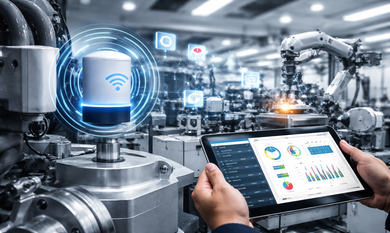
Well-designed IoT asset tracking for manufacturing connects observations with departmental work, even when areas use different technologies.
Capturing Asset Movements Before Materials Enter the Warehouse
Identifying Arrivals and Yard Movements
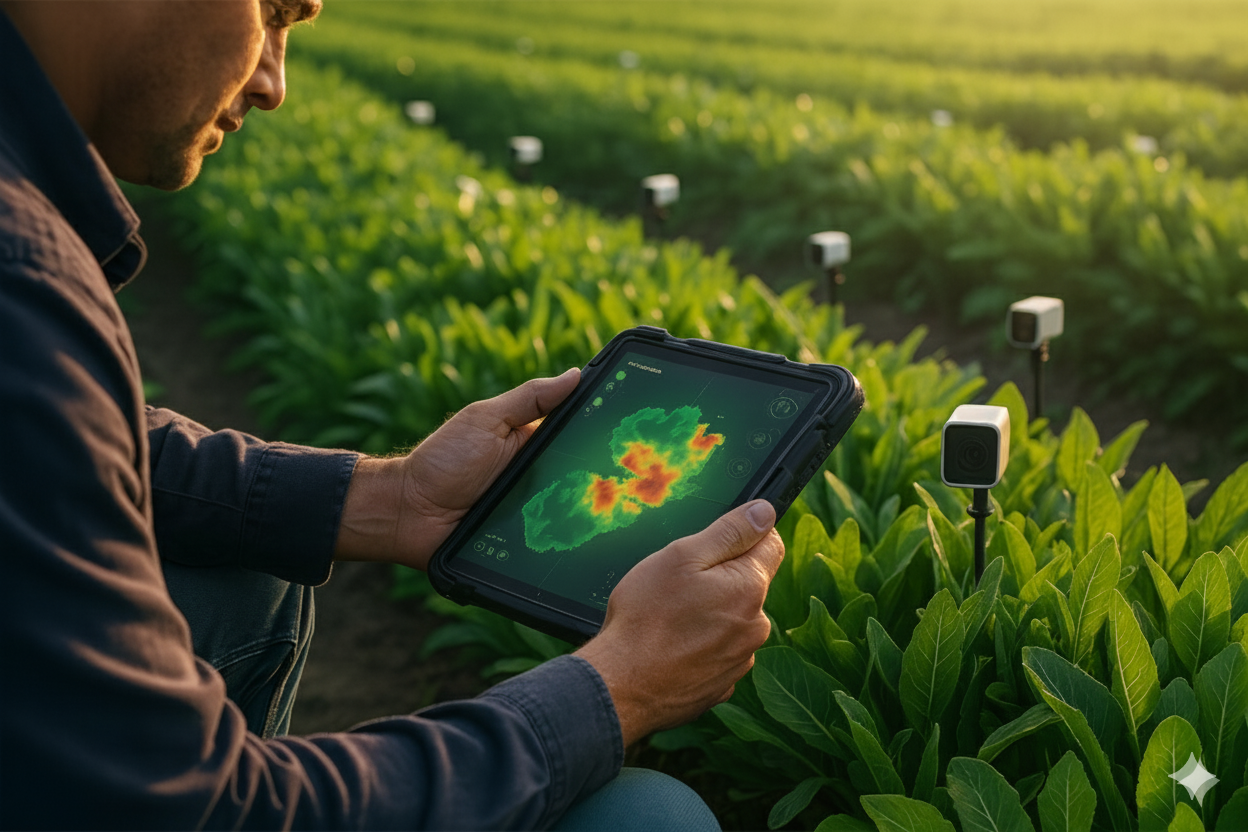
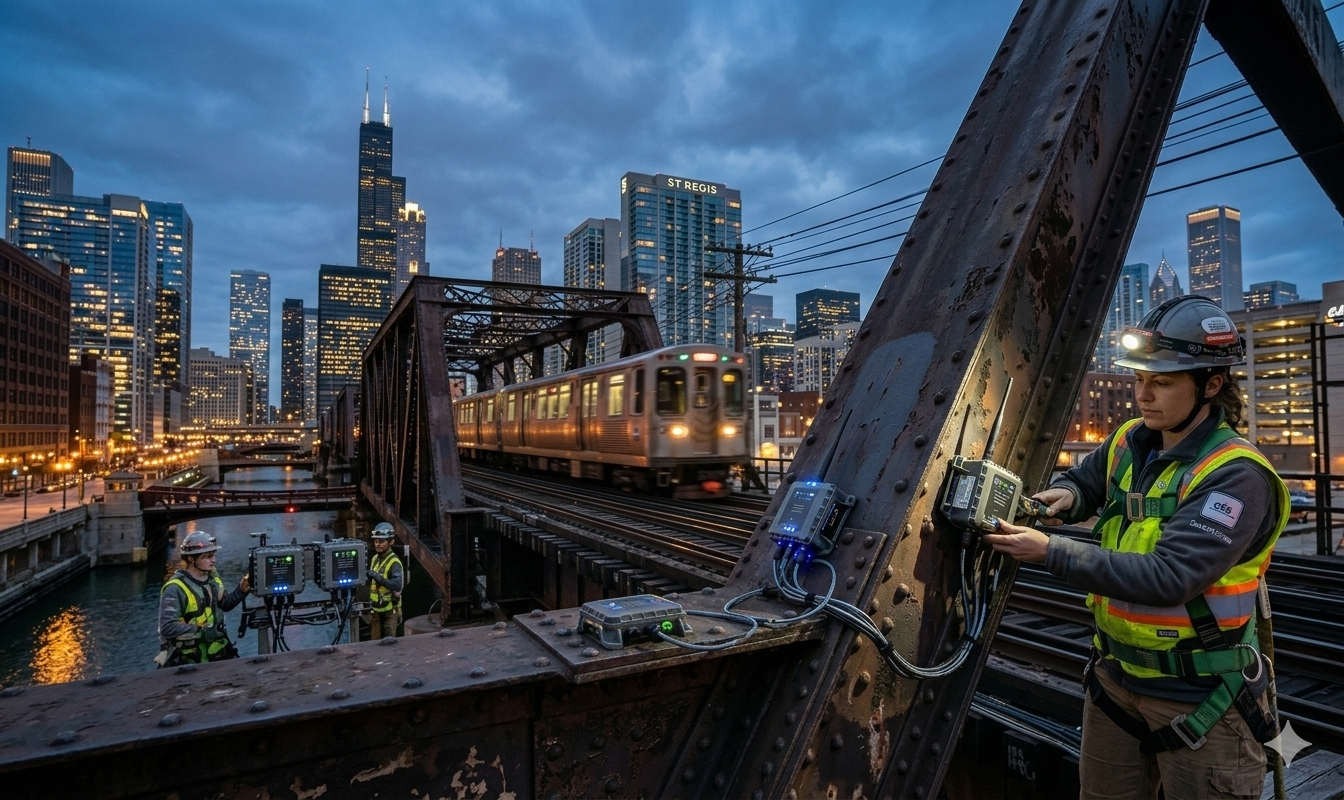
Yard asset tracking begins by choosing which movements matter: vehicle arrival, unloading, transfer into a staging zone, or departure.
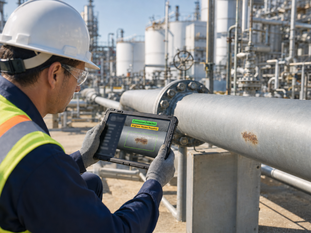
In the container example, an RFID checkpoint or barcode scan can confirm a tagged container's arrival at a gate. A camera system may recognize a truck movement or count visible objects in a defined area. GPS can provide position information for suitable vehicles or powered equipment, but it is not automatically the right choice for small, unpowered containers.
Unidentified assets should be flagged for staff review rather than assigned a guessed identity.
Making Yard Information Available to Receiving Teams
Once an arrival is recorded, the tracking service can send that event to the appropriate system. Warehouse staff can see an arrival before formally booking components into inventory.
That separation matters: arrival at a gate is not the same as accepted receipt. The next business step still needs confirmation.
Connecting Warehouse Locations and Material Movements
Recording Receiving, Storage, and Picking Events
Inside the warehouse, staff may inspect the container, assign it to a storage location, and later pick it for a production order. Warehouse asset tracking records those changes so teams do not have to rely solely on a manually updated location list.
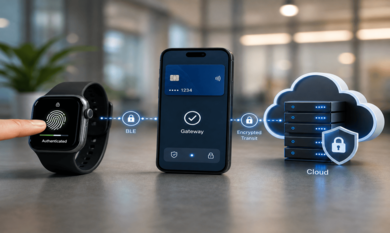
For RFID asset tracking in manufacturing, readers can detect suitable tags at configured checkpoints. Barcode scanning usually requires someone or something to present the code to a scanner. BLE asset tracking can support periodic presence or zone updates through receivers, depending on signal coverage, tag power, and site layout.
Choosing Tracking Methods by Environment
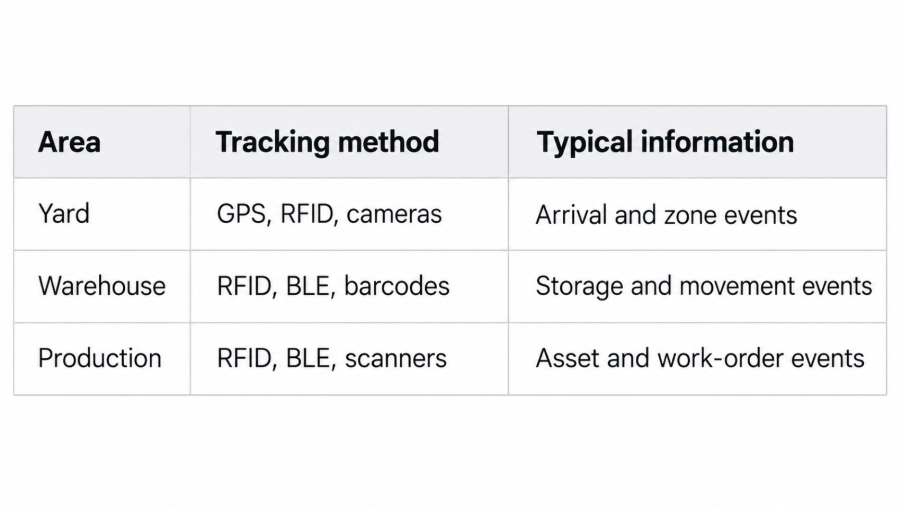
These options can complement each other. Metal, machinery, obstructions, and weather influence reader performance.
Linking Tracked Assets with Production Activity
Connecting Asset Movements to Production Orders
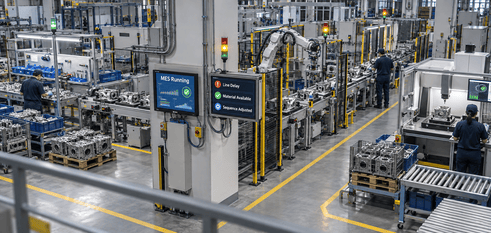
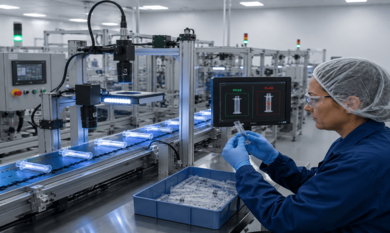
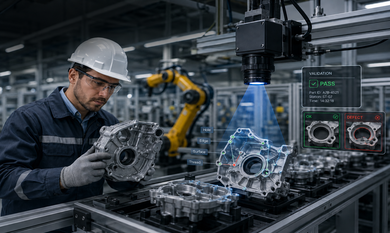
The container is now picked from storage and delivered to an assembly line. Production floor asset tracking can record its arrival at a workstation and associate the transfer with a production order.
However, detecting the container near a machine does not prove that every component inside has been consumed. Consumption may require an operator confirmation, a machine event, a material issue transaction, or a verified MES record. Keeping these events separate prevents a location update from incorrectly changing inventory quantities.
Production teams can then see which containers have arrived, which are awaiting confirmation, and which may still be in transit.
Recording Return and Reuse
Once emptied, a returnable container may travel to a collection point and back into storage or the yard. Recording that movement helps distinguish an empty asset awaiting reuse from a full container available for production.
Bringing Yard, Warehouse, and Production Data Together
Connecting Tracking Devices with Business Systems
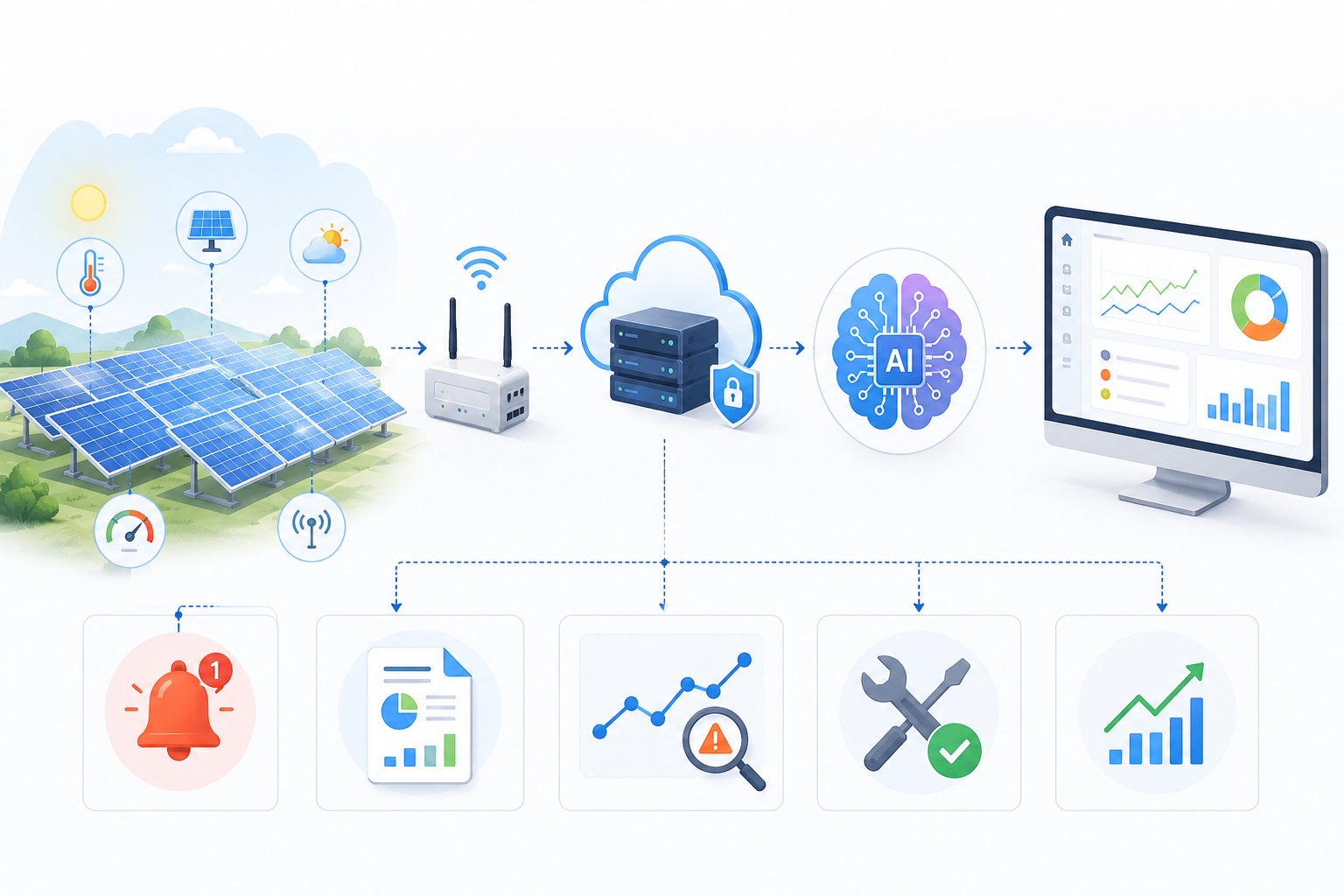
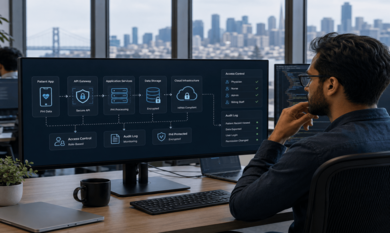
Gate scanners, BLE gateways, cameras, and mobile devices generate observations. Integration software validates them, matches asset IDs, and forwards relevant events.
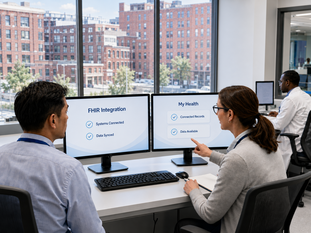
In a typical ERP WMS MES integration, the systems have different responsibilities:
- ERP manages broader inventory, purchasing, and business transactions.
- WMS records warehouse receiving, storage, picking, and inventory movements.
- MES supports production execution, work orders, and material-use records.
Responsibilities vary by installation, so teams must define which application owns each record.
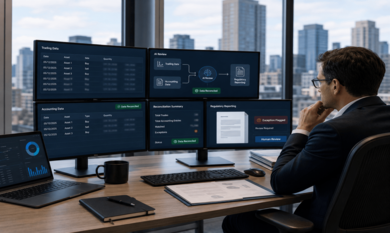
For example, a warehouse RFID read can create a proposed location event. The WMS may confirm the storage transaction, while the dashboard displays the latest validated location. A later MES material-consumption record can change the material status without changing the identity of the reusable container.
Maintaining Consistent Asset Records
For reliable sharing, teams need consistent asset identifiers, agreed location names, timestamps, and rules for duplicate or out-of-order events. Offline readers should also be able to recover without silently losing movement records.
The tracking record must also distinguish a reusable container from the materials inside it. The container can move again after its contents are consumed. If those identities are mixed together, the dashboard may show a plausible location while the inventory and production records remain wrong.
The GS1 explanation of Electronic Product Code Information Services (EPCIS) describes a standardized approach to sharing event information, including what happened, when, where, and in what business context. It offers a useful reference for designing interoperable records, although not every plant must implement EPCIS.
Using AI Analytics to Identify Asset Movement Problems
Detecting Delays and Unusual Movement Patterns
Once movement events are trustworthy, operations teams can examine dwell times and transfer patterns. A rule-based alert might flag a container that has remained in the yard beyond an agreed threshold. An analytical system may compare movement histories to identify recurring delays or unusual routes.
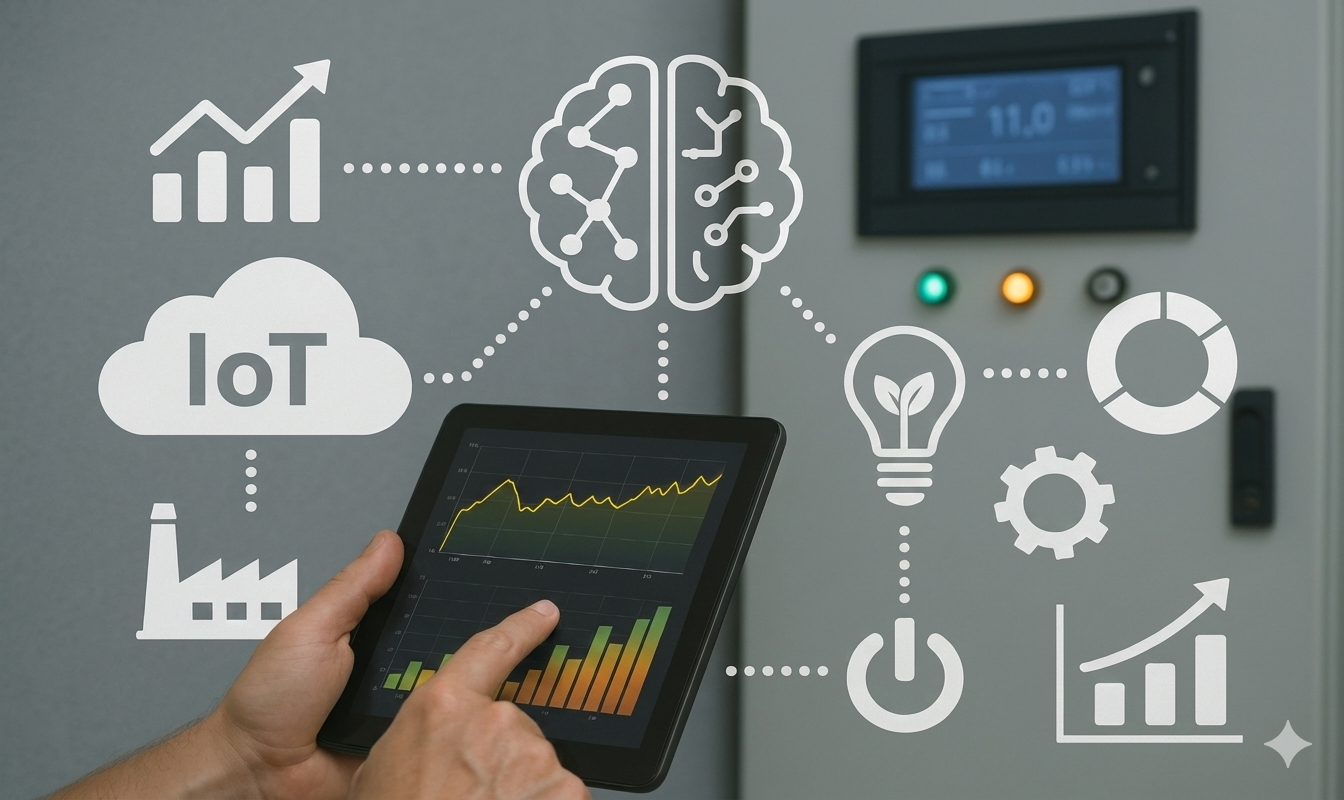
AI-driven IoT analytics can add pattern detection and anomaly analysis when there is enough relevant, clean historical data. It cannot compensate for missing asset IDs or unreliable scans. Not every tracking project needs machine learning; basic exception rules may be sufficient initially.
Turning Events into Operational Reviews
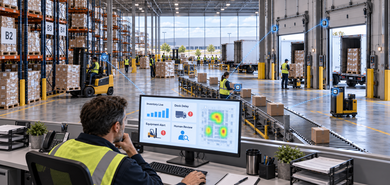
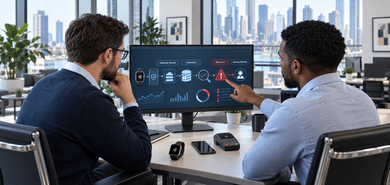
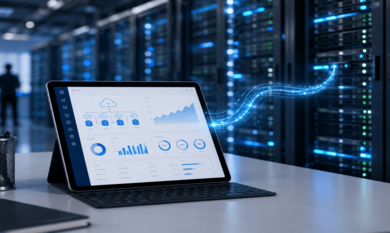
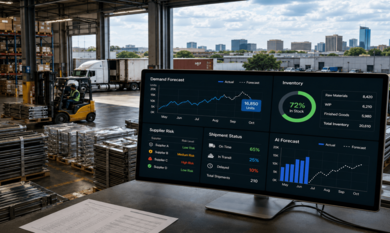
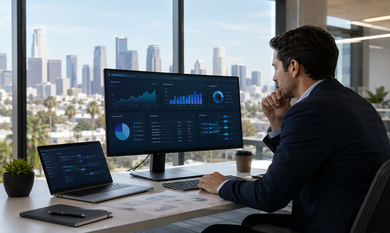
A useful dashboard should show the asset's last confirmed zone, event time, expected next movement, and unresolved exceptions.
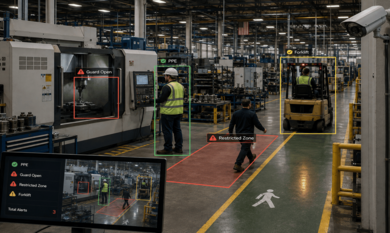
A related example is Theta Technolabs' automated asset and logistics tracking project, which describes camera-based barrel detection and truck entry and exit monitoring in an industrial yard. It illustrates yard monitoring capabilities, not a documented end-to-end warehouse and production integration.
What Manufacturers Should Check Before Implementation
For industrial asset tracking for US manufacturers, a focused pilot is usually more informative than selecting devices solely from a product brochure.
- Define the assets and decisions. Decide whether the goal is to find reusable containers, validate material transfers, or investigate delays. Each goal requires different events.
- Survey the physical environment. Check gate locations, metal structures, indoor coverage, power availability, and outdoor conditions before choosing readers or tags.
- Map system responsibilities. Identify how existing ERP, WMS, and MES applications exchange records, who can approve changes, and how errors will be corrected.
- Pilot a complete movement. Follow selected assets from arrival to production and, where relevant, return. Test missed reads, duplicate events, network interruptions, and manual overrides.
- Measure before expanding. Review whether the system provides the needed visibility, whether staff can resolve exceptions, and whether ongoing device maintenance is manageable.
Security and access controls also matter. Only authorized staff and integrated systems should be able to change operational records.
Frequently Asked Questions
Can one asset tracking system work indoors and outdoors?
Yes. One platform can combine outdoor GPS or camera events with indoor RFID, BLE, or barcode observations. Its accuracy and update frequency will depend on the equipment and environment.
Which is better for industrial asset tracking, RFID or BLE?
Neither is universally better. RFID suits many identification checkpoints, while BLE can support periodic zone visibility. The best choice depends on the asset, required location detail, and infrastructure.
How does industrial asset tracking integrate with ERP and MES?
Tracking middleware validates device events and sends appropriate information to enterprise systems. ERP manages relevant business records, while MES handles production activity according to the plant's configuration.
What should an industrial asset tracking dashboard display?
It should show asset identity, last confirmed location, event timestamp, operational status, movement history, and exceptions requiring review. It should also distinguish observed information from pending updates.
Connecting Tracking Data to Manufacturing Decisions
Effective tracking combines physical movement evidence with warehouse and production transactions. Theta Technolabs supports such integration through RFID/BLE connectivity, AI video analytics, and operational dashboards, with the architecture matched to the plant's needs.
For project discussions, contact us at sales@thetatechnolabs.com.










.png)



.png)
















.png)