

Industrial equipment downtime is not just a maintenance issue. For Houston-based manufacturers, machine shops, packaging facilities, and robotics-driven operations, it can affect production schedules, labor planning, customer delivery, and operating costs.
Many teams still rely on fixed maintenance schedules, manual inspections, or reactive repairs. These methods may work for basic maintenance, but they often fail to detect early warning signs before a machine stops unexpectedly. That is where IoT predictive maintenance Houston businesses can use becomes valuable.
With industrial equipment predictive maintenance, companies can monitor machine condition, detect unusual patterns, and plan maintenance before small issues become expensive failures. For businesses that want to reduce industrial equipment downtime, IoT-based monitoring can support smarter, data-led decisions.
What Is IoT Predictive Maintenance for Industrial Equipment?
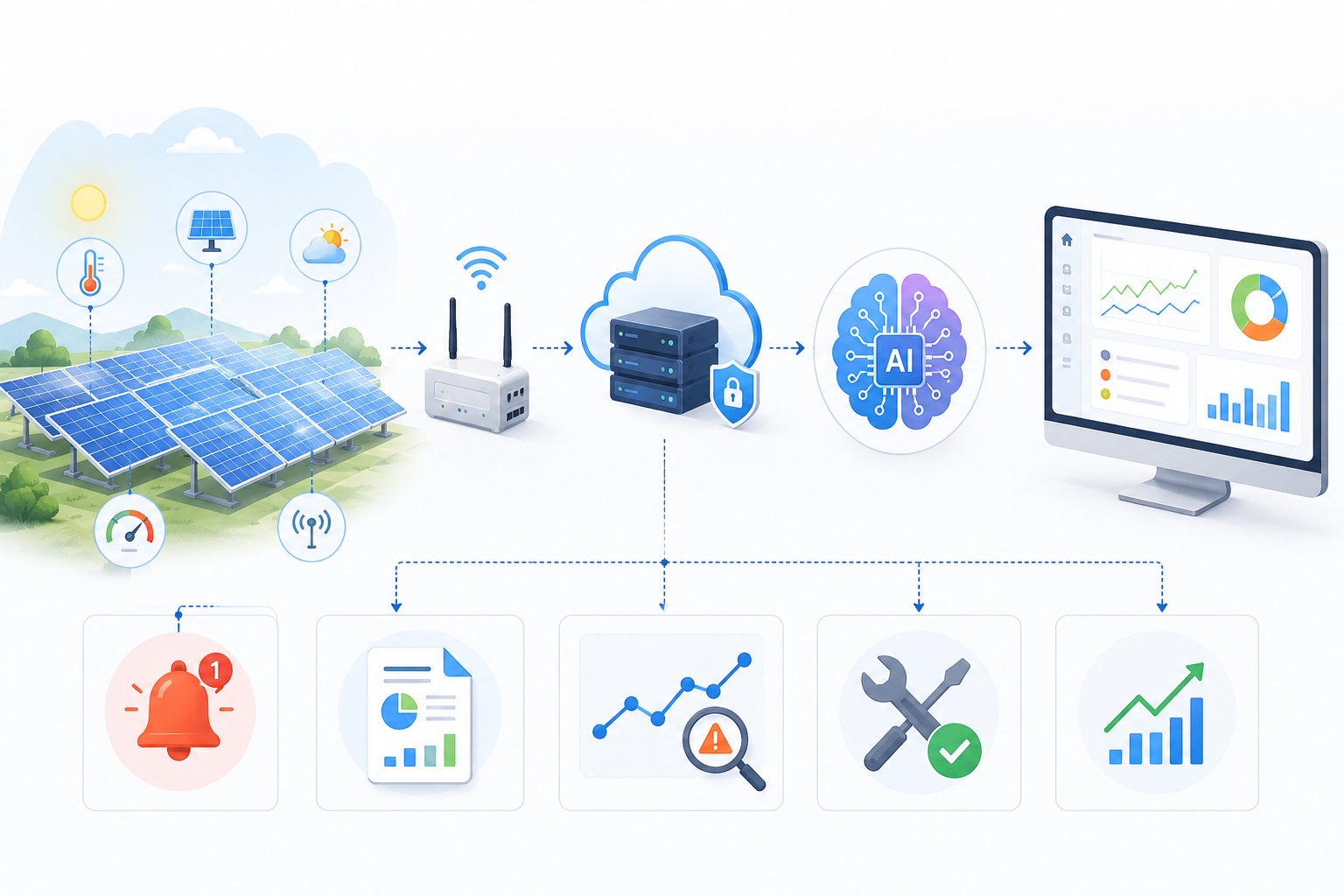
IoT predictive maintenance for industrial equipment uses connected sensors, gateways, cloud platforms, dashboards, and analytics to track machine performance in real time. Instead of waiting for a machine to fail, teams can monitor condition signals and respond earlier.
This approach is built directly around proactive condition monitoring. According to research from the National Institute of Standards and Technology (NIST) on Prognostics and Health Management (PHM), these systems leverage automated data collection to keep industrial processes running smoothly. NIST notes that moving to this smart model optimizes maintenance workflows, which directly helps facilities overcome workforce labor shortages. By replacing continuous manual floor checks with live digital insights, maintenance crews can maximize their efficiency and make smarter, data-driven decisions. Read more
Common machine data includes:
- Vibration
- Temperature
- Pressure
- Motor load
- Runtime
- Energy consumption
- Cycle time
- Error codes
- Speed variation
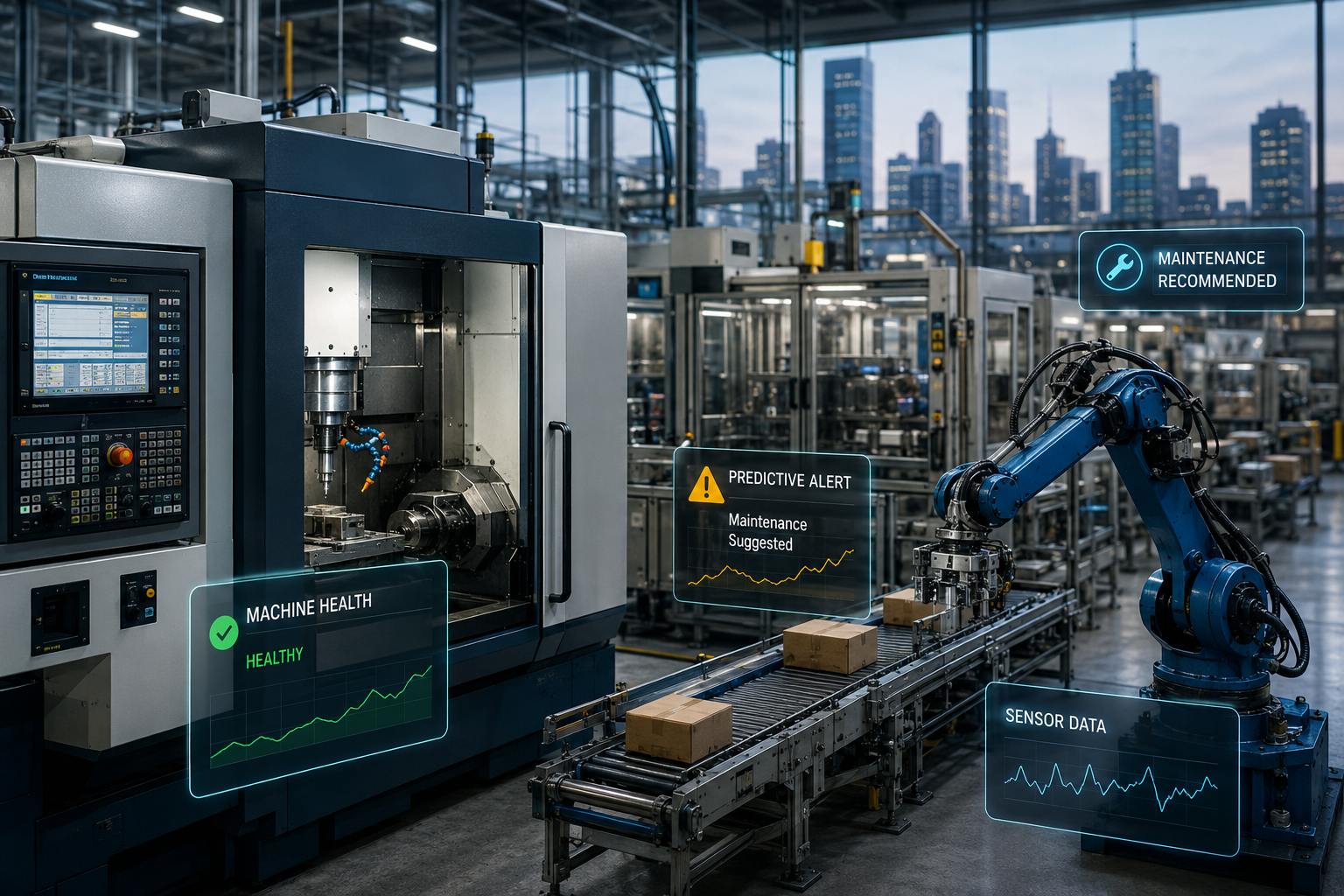
When this data is connected to machine health monitoring dashboards, maintenance teams can see trends instead of depending only on manual checks or operator reports.
Why Houston Industrial Businesses Should Not Ignore These Warning Signs
Houston has a strong industrial base, including manufacturing, energy-adjacent operations, logistics, machine shops, packaging plants, and automation-led facilities. Many of these businesses depend on reliable CNC machines, packaging machines, robotics systems, and production equipment.
When a machine stops without warning, the impact can move quickly across the operation. One failed machine can delay production, increase overtime, create emergency repair costs, and affect delivery commitments.
That is why warning signs should not be ignored. If equipment is showing repeated performance issues, poor visibility, or rising maintenance costs, it may be time to consider predictive maintenance instead of continuing with only reactive repair methods.
5 Signs Your Houston Industrial Equipment Needs IoT Predictive Maintenance
1. Your Machines Break Down Without Clear Warning
A sudden breakdown often feels unexpected, but machines usually show early signs before they fail. These signs may include abnormal vibration, overheating, slower cycle times, unusual energy consumption, pressure changes, or repeated error codes.
The problem is that these signals are easy to miss when teams depend only on scheduled inspections. By the time someone notices the issue, the machine may already be close to failure.
IoT predictive maintenance helps teams monitor these early signals through sensors and dashboards. With machine health monitoring, maintenance teams can detect changes earlier and take action before downtime becomes severe. This is especially useful for Houston facilities where production delays can affect multiple departments and customer timelines.
2. Maintenance Costs Keep Increasing Every Quarter
If repair expenses keep rising, your maintenance strategy may be too reactive. Emergency repairs, urgent spare part orders, technician overtime, and repeated service calls can become expensive over time.
Traditional preventive maintenance can also create waste if parts are replaced too early or machines are serviced even when they are performing normally. Industrial equipment predictive maintenance helps teams move toward condition-based maintenance. This means maintenance decisions are based on actual machine data, not only fixed calendar schedules.
For Houston companies managing multiple production lines, this can support better planning. Teams can identify which machines need attention, which machines are stable, and where maintenance budgets should be focused.
3. Your Team Has No Real-Time View of Machine Health
Many industrial teams still track equipment condition through manual inspections, spreadsheets, phone calls, or paper-based maintenance logs. These methods can create information gaps. Operators may notice problems late, managers may not have live visibility, and maintenance teams may not see patterns across different machines.
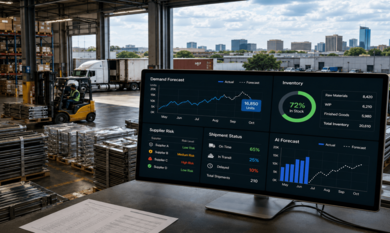
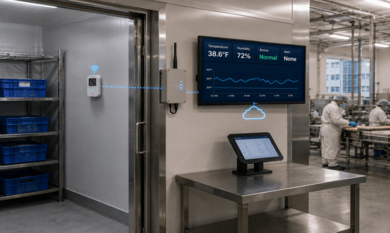
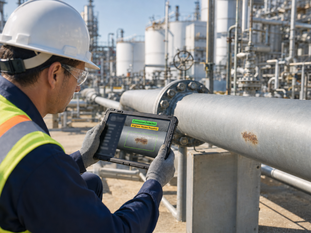
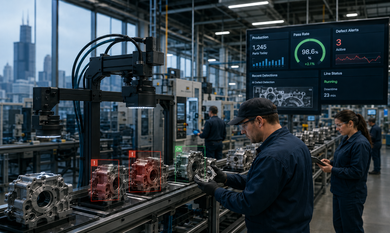
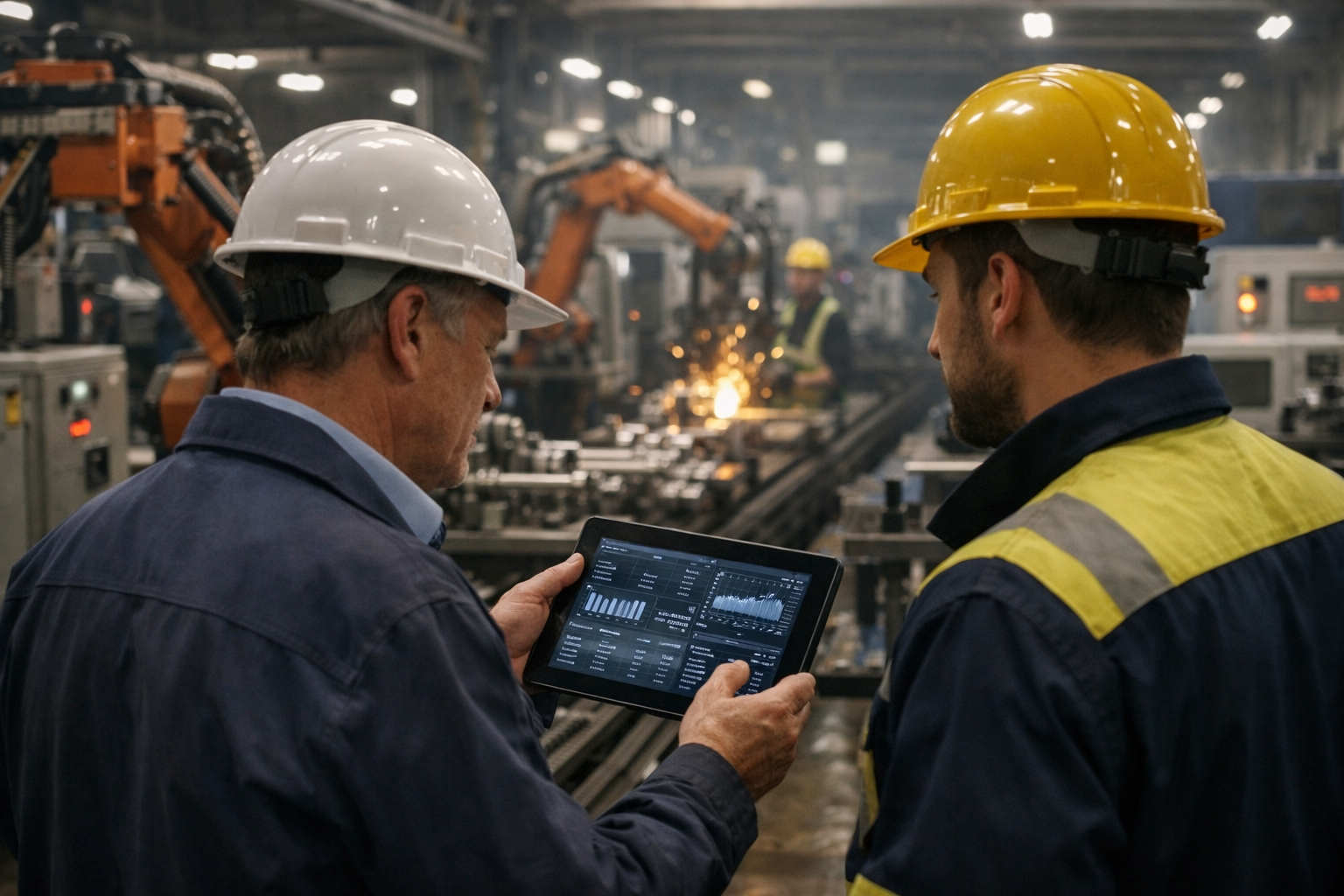
Remote monitoring for industrial equipment solves this problem by connecting machines to dashboards that show live performance data. Teams can monitor vibration, runtime, temperature, load, and alerts from one place.
This is also where IoT product transformation becomes important. Existing machines can often be connected through sensors, gateways, and cloud-based systems, helping businesses turn traditional equipment into smarter connected assets.
A real-time view of machine health helps plant managers, maintenance teams, and operations leaders make faster decisions without waiting for manual updates.
4. Equipment Performance Is Becoming Inconsistent
Inconsistent machine performance is one of the clearest signs that something needs attention. A machine may still be running, but it may not be running properly.
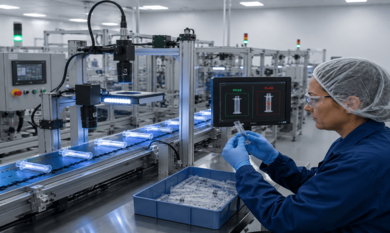
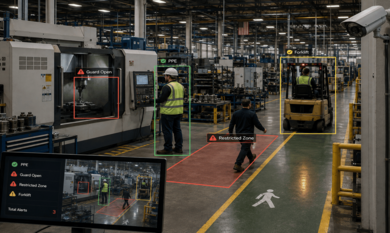
For example, CNC machines may begin showing spindle vibration, tool wear, overheating, or slower cycle times. Packaging machines may experience repeated jams, weak seals, sensor misalignment, or conveyor speed issues. Robotics systems may show abnormal motor load, movement deviation, overheating, or slower motion.
These issues may affect product quality, production output, and operator confidence.
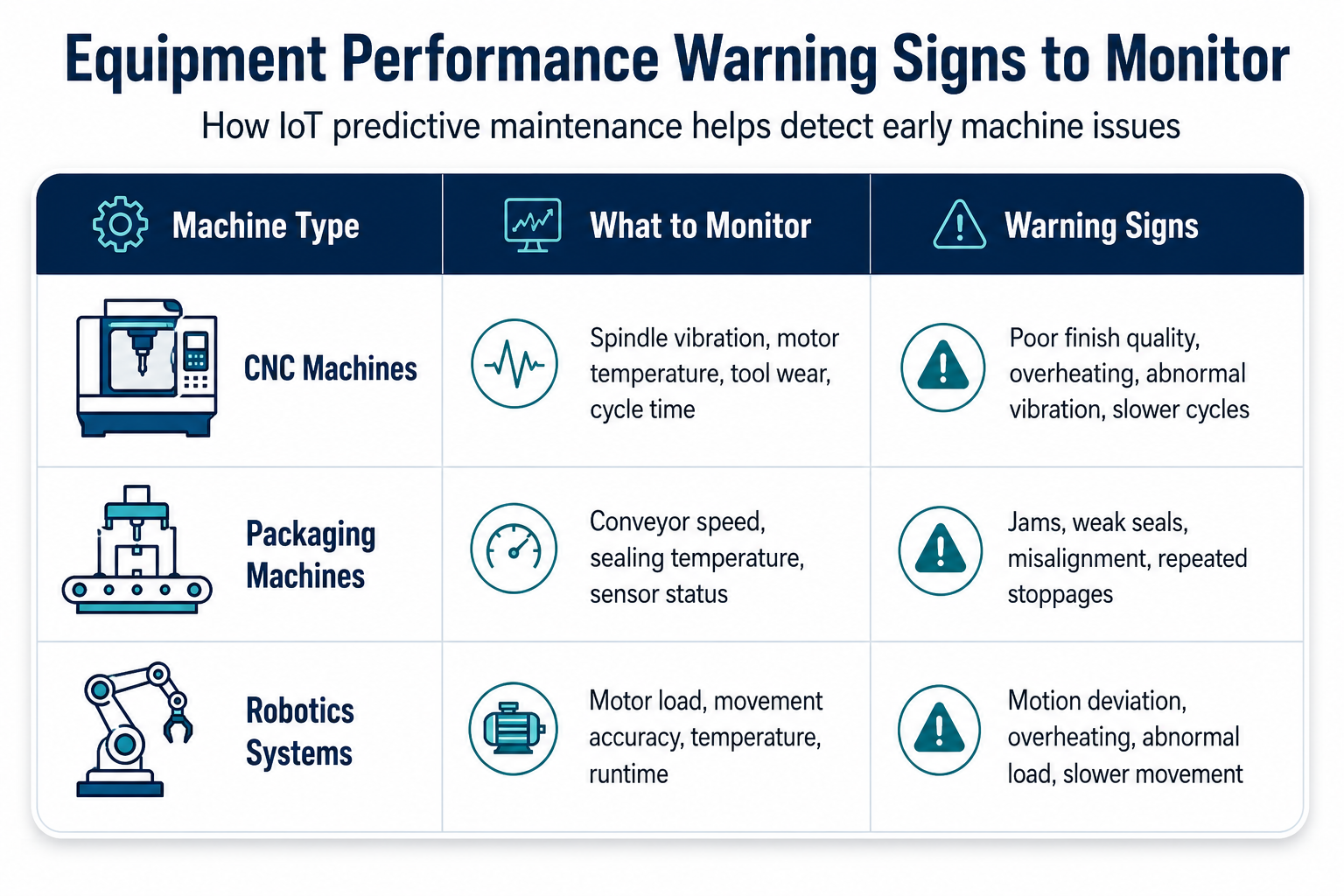
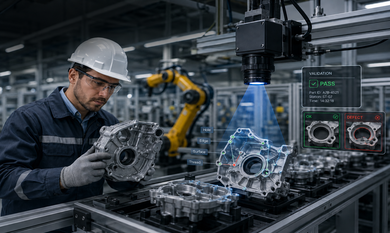
Predictive maintenance for CNC machines, packaging machine monitoring, and robotics predictive maintenance help teams identify these problems before they become major failures. This makes the blog topic highly relevant for Houston industrial businesses that depend on precision, speed, and equipment reliability.
5. You Cannot Track Usage, Load, or Efficiency Properly
If you do not know how your machines are being used, it becomes difficult to improve performance. Some equipment may be overloaded, while other machines may sit idle. Some machines may consume more energy than expected, while others may need maintenance based on runtime rather than calendar dates.
Equipment usage analytics helps teams understand real machine behavior. It can show runtime, idle time, production cycles, load patterns, and performance trends. This information supports better maintenance scheduling, capacity planning, and asset utilization.
For maintenance managers and plant leaders, usage data is not only about repairs. It also helps answer important business questions. Which machines are underused? Which machines are creating bottlenecks? Which equipment needs attention before the next production cycle?
How IoT Predictive Maintenance Works in a Real Industrial Setup
A practical IoT predictive maintenance system usually follows a clear workflow:
- Sensors collect machine data such as vibration, temperature, pressure, load, and runtime.
- An edge gateway processes data close to the equipment.
- The cloud platform stores and organizes equipment data.
- Analytics tools detect abnormal patterns and performance changes.
- Dashboards show machine health, alerts, and trends.
- Maintenance teams receive notifications when attention is needed.
- Repairs or inspections are planned before failure becomes severe.
This setup connects physical machines with digital monitoring systems. For example, AI-driven IoT analytics can help identify unusual sensor patterns, support predictive alerts, and turn raw machine data into useful operational insights.
For Houston industrial companies, this approach can be applied gradually. A business does not always need to transform every machine at once. Many teams begin with high-value or high-risk equipment, then expand after they understand the data and results.
What Features Should an IoT Predictive Maintenance Solution Include?
A useful IoT predictive maintenance solution should be practical for both technical and business teams. It should not only collect data, but also make that data easy to understand and act on.
Important features include:
- Real-time equipment monitoring
- Vibration and temperature tracking
- Runtime and load monitoring
- Predictive alerts
- Maintenance scheduling
- Equipment usage analytics
- Cloud dashboard access
- Mobile notifications
- Role-based access
- ERP, MES, or maintenance system integration
- Secure data handling
- Custom reports for managers and maintenance teams
Cloud infrastructure also matters because predictive maintenance systems need reliable data storage, dashboard access, and scalable reporting. This is where cloud consulting services can support secure and flexible system design.
The best solution should fit the equipment, workflow, and maintenance maturity of the business. A CNC shop, packaging plant, and robotics-led facility may all need different monitoring priorities.
Practical Benefits for Industrial Equipment Teams
IoT predictive maintenance can support several practical business benefits when implemented properly.
Key benefits include:
- Fewer unexpected stoppages
- Better maintenance planning
- Lower dependency on emergency repairs
- Improved machine visibility
- Better spare parts planning
- Longer equipment life
- More informed production decisions
- Improved coordination between operators and maintenance teams
These benefits should be viewed realistically. Predictive maintenance does not remove every maintenance challenge, and it does not guarantee zero downtime. However, it can help industrial teams make earlier, data-based decisions and reduce the risk of avoidable failures.
For Houston businesses operating CNC machines, packaging machines, robotics systems, or other industrial equipment, this can create a stronger foundation for reliable production.
Why Choose Theta Technolabs
Theta Technolabs helps businesses build connected digital products and platforms across IoT, web, mobile, cloud, and AI-driven systems. For industrial machinery companies, this can include sensor-based monitoring, cloud dashboards, mobile alerts, backend systems, data analytics, and remote equipment monitoring platforms.
For companies looking at IoT product transformation, the goal is not only to add sensors. The real value comes from connecting equipment data with useful dashboards, predictive alerts, and workflows that maintenance and operations teams can actually use.
This approach can support industrial businesses that want to modernize equipment, improve visibility, and build scalable connected systems for machine monitoring and predictive maintenance.
Conclusion
Industrial equipment often gives early warning signs before a major failure occurs. Frequent breakdowns, rising maintenance costs, limited machine visibility, inconsistent performance, and poor usage data all show that a traditional maintenance approach may no longer be enough.
For Houston companies using CNC machines, packaging machines, robotics, and other production equipment, IoT predictive maintenance can help teams monitor machine health, identify issues earlier, and plan maintenance with better data.
By moving from reactive repairs to condition-based maintenance, industrial businesses can improve visibility, support smoother operations, and make more informed decisions about equipment performance.
Improve Equipment Monitoring
If your business wants to modernize industrial equipment with IoT product transformation, remote monitoring for industrial equipment, AI-driven IoT analytics, or cloud-based dashboards, Theta Technolabs can help you build a practical and scalable solution.
Connect with Theta Technolabs to discuss your industrial IoT needs, predictive maintenance systems, remote equipment monitoring, sensor-based machine tracking, cloud dashboards, and equipment usage analytics goals.
Email: sales@thetatechnolabs.com
Frequently Asked Questions
1. What is the biggest sign that industrial equipment needs IoT predictive maintenance?
The biggest sign is repeated unexpected downtime or performance changes before failure. If machines show abnormal vibration, overheating, slower cycle times, or repeated alerts, machine health monitoring can help detect issues earlier.
2. an IoT predictive maintenance work with older CNC or packaging machines?
Yes, in many cases older machines can be upgraded with external sensors, gateways, PLC integration, dashboards, and cloud connectivity. However, every machine should be assessed first to confirm what data can be collected and monitored.
3. What data should be monitored for industrial equipment predictive maintenance?
Important data includes vibration, temperature, motor current, pressure, speed, load, runtime, energy consumption, error codes, and production cycle data. The right data depends on the machine type and failure patterns.
4. How does remote monitoring help maintenance teams?
Remote monitoring helps teams see live machine health, review historical trends, receive alerts, and plan maintenance before problems become serious. It also reduces dependency on manual inspections alone.
5. Is IoT predictive maintenance only for large factories?
No. IoT predictive maintenance can also help mid-sized manufacturers, CNC machine shops, packaging facilities, and robotics-based operations if they depend on equipment uptime and have repeatable machine data.


















.png)




.png)
























.png)

























.png)


.png)



.png)