The healthcare industry is undergoing a digital transformation that is faster and more important than ever. Hospitals, clinics, diagnostic centers and healthcare startups are adopting technology to improve patient experiences, reduce operational delays, and make medical services more accessible. At the center of this transformation is the growing use of clouds in healthcare. Cloud services offer reliability, security, flexibility and cost efficiency, which are necessary for building scalable healthcare apps that can keep up with the complex needs of modern medical environments.
From electronic health records to telemedicine, remote monitoring, AI diagnostics, pharmacy automation and care coordination, every healthcare workflow today needs a strong digital foundation. The traditional on-premises systems used by many healthcare providers are expensive to maintain, difficult to scale, and offer limited performance during peak usage. Cloud powered systems solve these challenges by providing on-demand resources, real-time data availability, and strong compliance mechanisms.
This article explores why cloud services are essential for scalable healthcare applications, how hospitals benefit from them, and practical insights using real-world scenarios. It also includes all the required keywords in a natural and professional way.
The Shift to Scalable Healthcare Apps
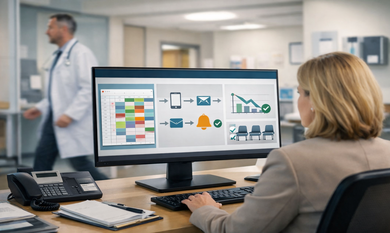
Healthcare apps no longer serve only one purpose. They now manage multiple operations including:
- Appointment scheduling
- Medical records access
- Video consultations
- Patient monitoring
- Prescription management
- Emergency communication
- Billing and insurance claims
- Lab reporting
To handle all these functions efficiently, applications must be scalable. Scalable healthcare apps allow systems to handle more users, more patient data and more real-time activity without crashing or slowing down. Cloud based architectures make this possible with ease.
For instance, during peak flu season or unexpected emergencies, patient requests rise sharply. Cloud systems quickly adjust computing power and storage based on demand. On the other hand, traditional servers often experience downtime during such spikes.
Hospital IT teams increasingly prefer cloud services because they enable fast deployment, quick updates, and improved uptime for mission-critical applications.
Why Cloud Is the Backbone of Modern Healthcare Systems
1. Improved Accessibility and Continuity of Care
Cloud solutions allow healthcare providers to access data anytime and from any location. Doctors can check patient history, lab results or radiology reports even when they are not physically present at the hospital. This supports:
- Telemedicine
- Remote patient monitoring
- Mobile healthcare apps
- Multi-location hospital systems
This accessibility improves continuity of care and strengthens collaboration among care teams.
Health data hosting solutions offered through cloud platforms ensure that patient information is always available and securely stored without service interruptions.
2. Strong Security for Sensitive Healthcare Data
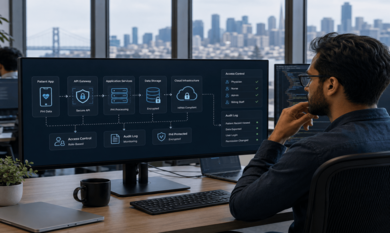
Security continues to be the biggest priority for healthcare organizations. The adoption of cloud in healthcare has strengthened data protection by offering:
- End-to-end encryption
- Identity and access control
- Multi-layer authentication
- Real-time threat monitoring
- Sophisticated disaster recovery
Healthcare data cloud security ensures that hospitals do not lose critical records due to system failures, ransomware attacks, or hardware damage.
Cloud providers also continuously update their security protocols, which is difficult and costly for hospitals to manage manually.
3. Compliance with Healthcare Standards
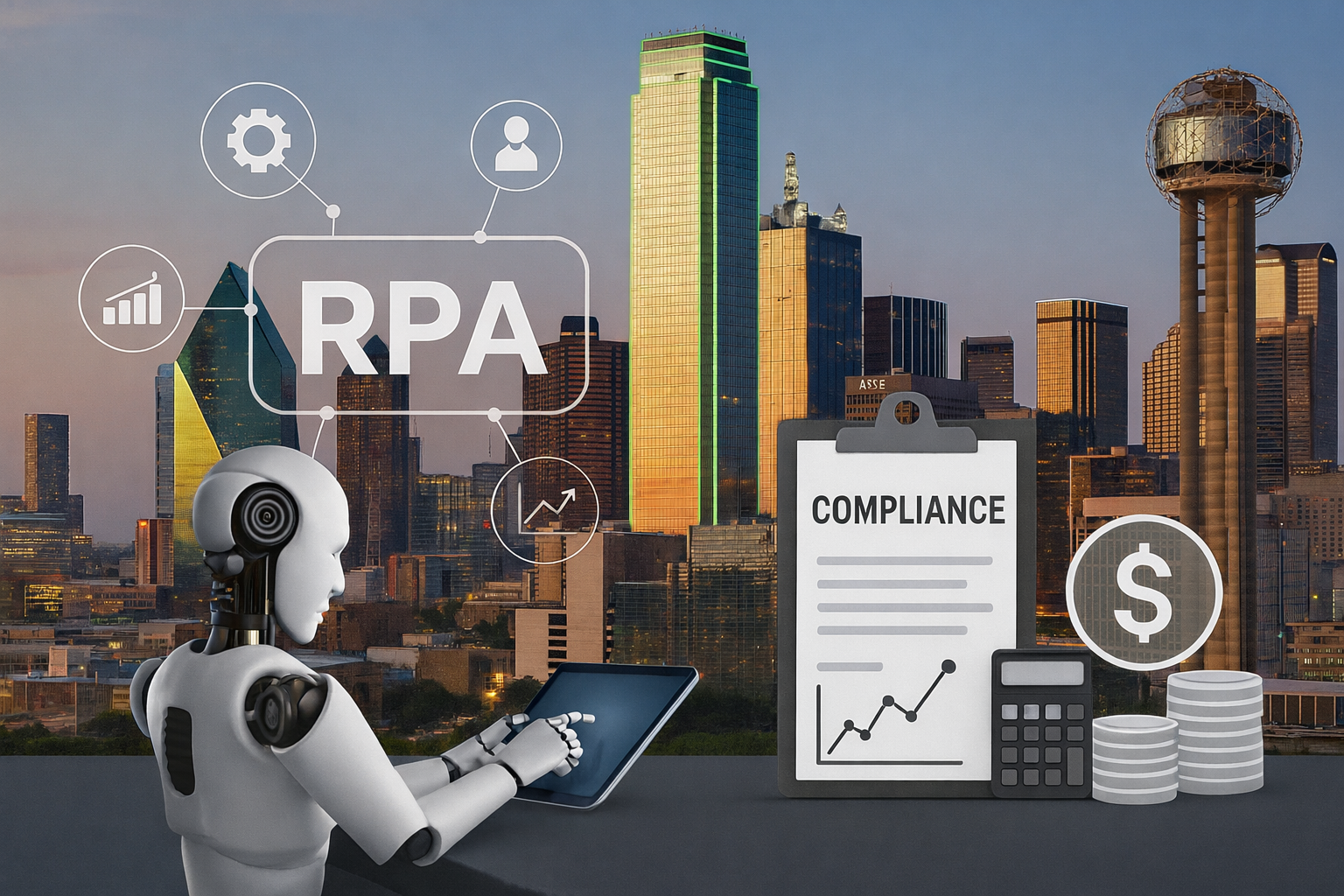
Compliance requirements are strict in the healthcare industry. Hospitals must follow laws regarding patient privacy, data protection, and secure handling of medical records. Cloud compliance for hospitals ensures faster adherence to regulations like HIPAA, GDPR, and other regional guidelines.
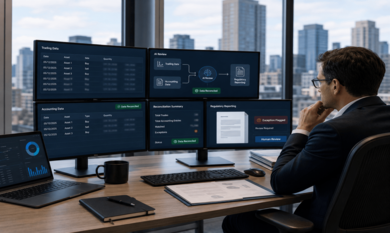
Cloud systems maintain detailed logs, automated backups, and transparent audit trails that help compliance teams work more efficiently. This reduces the risk of legal penalties and ensures the safety of patient data.
4. Cost Efficiency and Operational Flexibility
Traditional hospital IT infrastructure is expensive to purchase, upgrade, and maintain. Cloud based systems eliminate upfront hardware investments and instead follow pay-as-you-go models. This makes it easier for healthcare providers to:
- Scale infrastructure
- Add new application features
- Support more users
- Reduce maintenance costs
Hospitals can shift their IT staff from hardware maintenance to more meaningful innovation and digital transformation projects.
Next-gen health cloud solutions further support automation and help healthcare providers use their operational budgets more effectively.
5. Real-Time Data for Better Decision Making
Modern healthcare applications are data intensive. They must process information coming from:
- Patient portals
- Diagnostic systems
- Wearable devices
- ICU monitors
- Pharmacy workflows
- Insurance systems
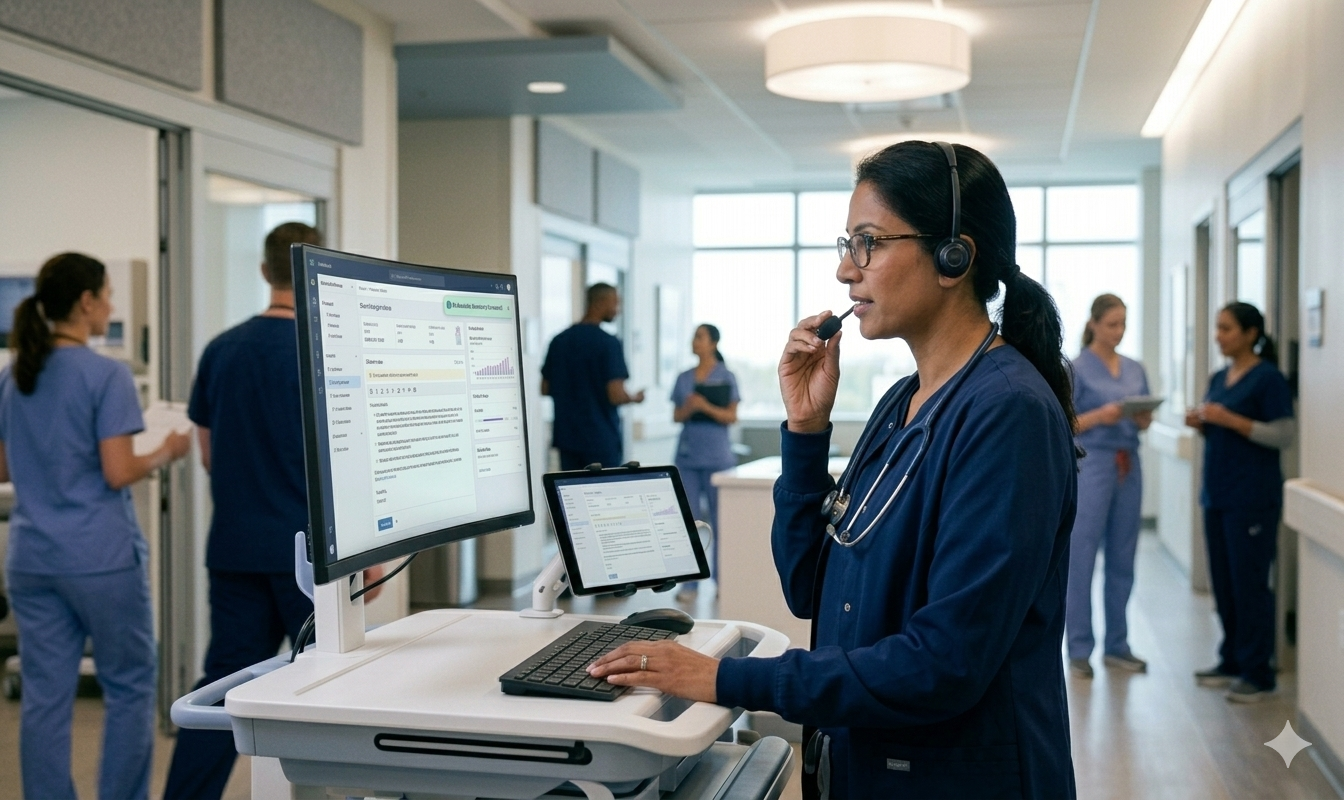
Cloud based systems make real-time analytics possible by combining structured and unstructured healthcare data. AI tools, machine learning and Big Data platforms integrate easily with cloud services, allowing hospitals to make informed decisions quickly.
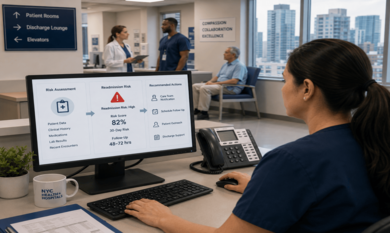
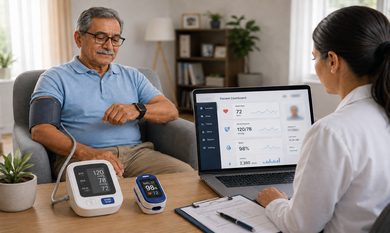
For example, a doctor can view the vital signs of a remote patient in real time using a mobile app powered by cloud data processing. This quick response can be lifesaving in high-risk cases.
Practical Example: Cloud Supporting Remote Monitoring Programs
A multi-branch hospital group wants to launch a remote patient monitoring system for patients with chronic conditions. Instead of building the system on local servers, they use cloud architecture. This enables them to:
- Connect thousands of patients to digital monitoring devices
- Store continuous patient data securely
- Offer real-time dashboards to doctors
- Expand their services across every branch
As the program grows, the hospital easily adds new servers without downtime. Cloud data compliance with healthcare mechanisms ensures that the patient information stays secure.
This example shows how essential cloud-based scalability is for modern medical programs.
Realistic Scenario: Telemedicine Expansion Using Cloud
Imagine a healthcare startup preparing a telemedicine platform. Initially, it serves 200 patients a day. Within months, demand increases to thousands of daily consultations. Without cloud infrastructure, the platform would face:
- Slow loading times
- Video call failures
- High downtime
- Limited storage capacity
Using cloud services, the startup quickly increases processing power and storage to support growing user demand. The result is a seamless, scalable telemedicine experience without technical failures.
Scalable medical apps make teleconsultations smooth and reliable even during peak hours.
Cloud and Innovation in Healthcare Applications
Cloud services also support advanced healthcare innovations such as:
- AI powered diagnostics
- Predictive care systems
- Remote surgery assistance
- Digital twins of hospital operations
- Automated insurance claim processing
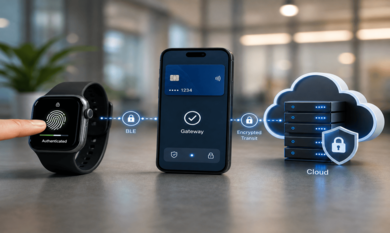
Many healthcare organizations partner with a custom healthcare software development company dallas to build cloud native solutions that integrate IoT, AI, BLE based applications and advanced patient engagement tools. These solutions help improve patient experience, operational efficiency, and treatment outcomes.
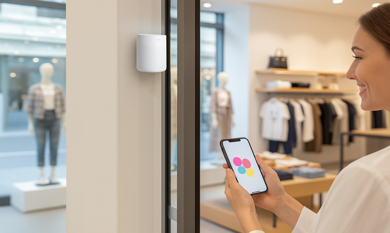
BLE technology is increasingly used in indoor patient navigation, equipment tracking, and emergency alerts. This trend boosts the demand for ble app development services dallas, which integrates smoothly with cloud backed healthcare environments.
Conclusion
Cloud technology has become an essential foundation for secure, scalable, and high performing healthcare applications. It gives hospitals the ability to expand services, manage large volumes of data, ensure compliance, and deliver advanced digital experiences. As the healthcare industry continues its shift toward remote care, digital records, AI based diagnostics and real-time monitoring, cloud adoption will only accelerate.
For healthcare providers planning their cloud strategy, Theta Technolabs offers reliable support across Web, Mobile and Cloud. Their expertise ensures secure, scalable, and efficient digital healthcare solutions powered by modern cloud ecosystems. They also specialize in cloud consulting services dallas, helping healthcare organizations plan, deploy and optimize cloud architectures tailored to their needs.
Build Scalable and Secure Healthcare Systems with Cloud
For consultations or project discussions, email us at sales@thetatechnolabs.com

















.png)





.png)






















.png)
























.png)


.png)


.png)