In today’s competitive manufacturing landscape, quality is everything. A single defect can result in costly recalls, damaged reputation, and lost customer trust. To avoid this, manufacturers are turning to computer vision, a powerful technology that combines artificial intelligence (AI) and machine learning to detect, analyze, and prevent defects in real time.
From identifying microscopic imperfections to monitoring entire assembly lines, computer vision for defect detection is transforming how manufacturers ensure consistency and accuracy across their production processes.
Let’s explore how computer vision enhances quality control, drives efficiency, and reshapes the future of manufacturing.
The Need for Smarter Quality Control
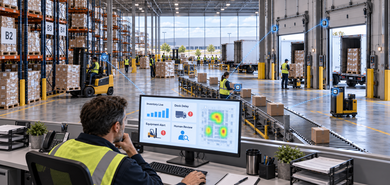
Traditional quality control methods rely heavily on manual inspection. Operators visually examine products for scratches, misalignments, or irregularities, which is a time-consuming process prone to human error. In high-volume manufacturing environments, this approach cannot keep up with production speed and precision requirements.
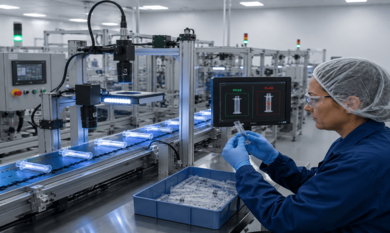
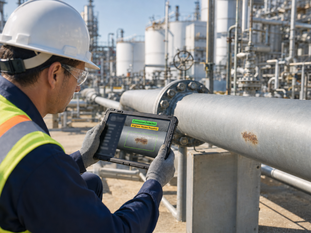
This is where AI quality inspection and automated visual inspection systems come in. These intelligent systems use cameras, sensors, and AI algorithms to analyze products in real time, detecting even the tiniest deviations that might go unnoticed by the human eye.
Companies like BMW, Siemens, and General Electric are already leveraging AI-powered visual inspection to maintain high-quality standards and improve production efficiency. By automating inspection tasks, they not only reduce error rates but also cut inspection time and operational costs significantly.
How Computer Vision Works in Manufacturing
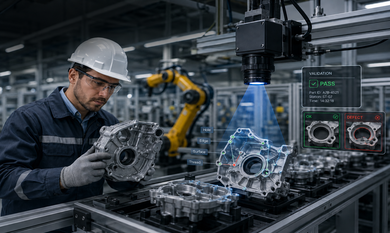
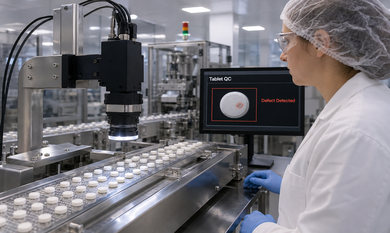
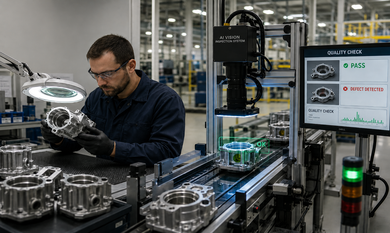
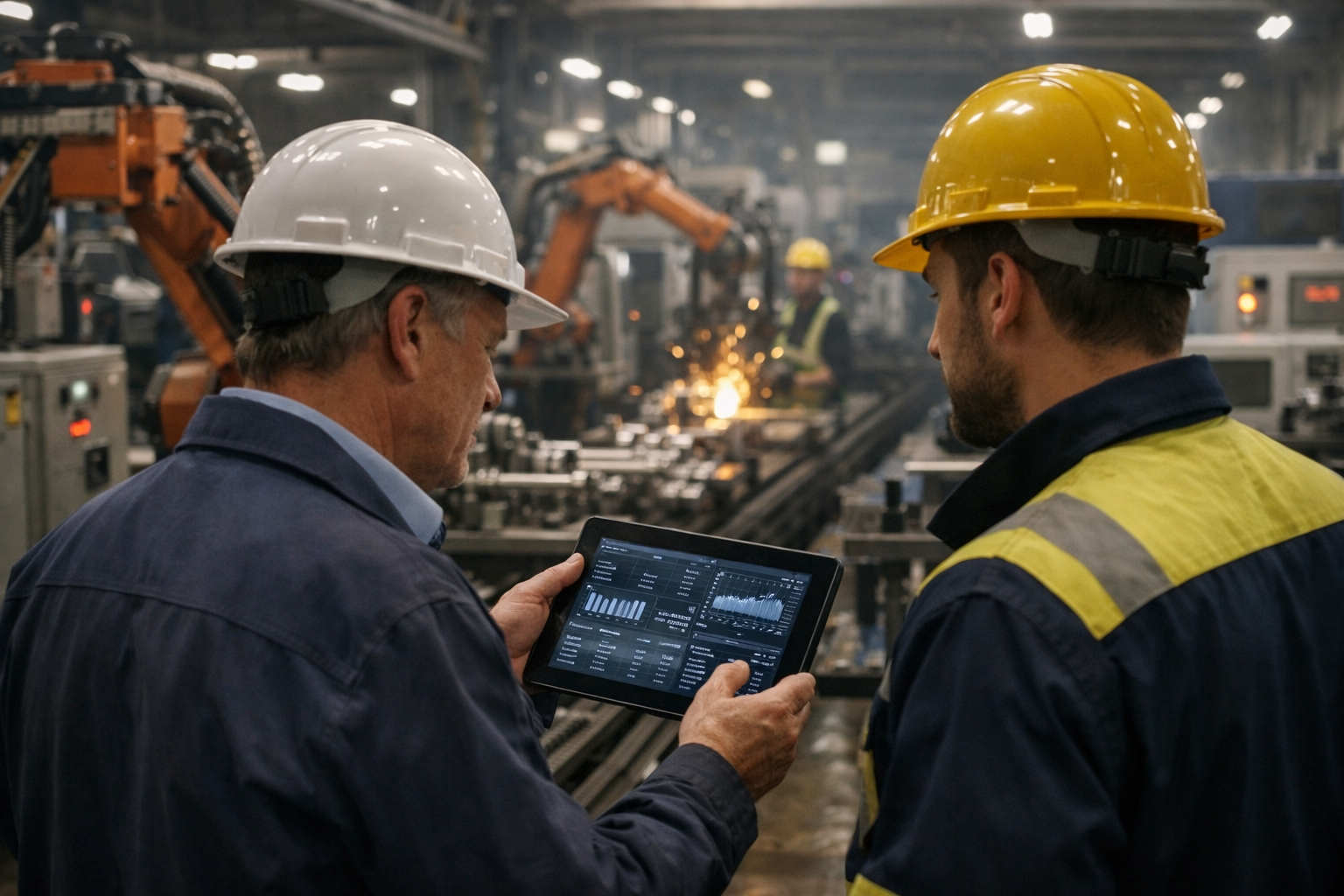
Computer vision integrates hardware such as cameras, sensors, and imaging devices with AI-driven software to capture and interpret visual data. The system compares images or videos of products against predefined standards to detect inconsistencies.
Here’s a simplified view of how the process works:
- Image Capture: High-resolution cameras take detailed images of products as they move through the production line.
- Feature Extraction: AI models identify specific features like color, texture, shape, or dimensions.
- Defect Detection: Using AI defect detection tools, the system identifies abnormalities such as cracks, deformations, or misalignments.
- Decision & Feedback: If a defect is detected, the system flags the product for review or automatically removes it from the production line.
This level of automation allows manufacturers to achieve continuous inspection at scale, ensuring 100% quality without slowing down operations.
Real-World Use Cases: Computer Vision in Action
Several global manufacturers are already using smart visual inspection systems to ensure quality excellence.
- Tesla uses computer vision to monitor its vehicle assembly lines, identifying irregularities in paint quality or body alignment before the cars move to the next stage.
- Coca-Cola employs AI-based inspection tools to ensure bottle caps and labeling meet precise standards.
- Intel applies automated manufacturing checks to detect wafer defects at the microscopic level, improving chip yield rates.
These examples highlight how visual automation is becoming a critical part of modern manufacturing, improving both efficiency and reliability.
Benefits of Computer Vision for Quality Control
Adopting computer vision quality assurance brings numerous benefits across manufacturing operations.
Precision and Accuracy
AI-driven inspection systems analyze thousands of images per minute, achieving accuracy levels beyond human capability. They can detect defects as small as a fraction of a millimeter, ensuring only flawless products reach customers.
Reduced Downtime
By integrating AI-based process inspection, manufacturers can identify potential defects early in the production cycle, preventing costly rework or machine downtime.
Consistency and Reliability
Unlike human inspectors who may get fatigued, computer vision systems work consistently across all shifts, ensuring uniform quality across batches.
Scalability
Automated inspection systems can easily adapt to different product lines, camera setups, and manufacturing environments without extensive reconfiguration.
Cost Efficiency
Although initial setup costs exist, manufacturers save significantly over time through reduced waste, fewer recalls, and improved process efficiency.
Enhancing Manufacturing Process Optimization
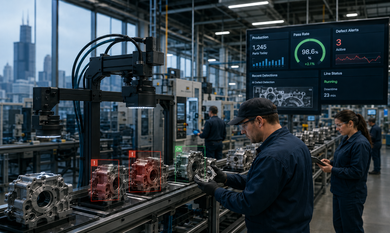
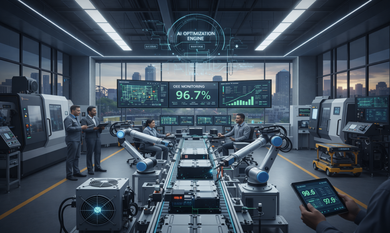
One of the biggest advantages of computer vision is manufacturing process optimization. By continuously collecting and analyzing visual data, AI models uncover inefficiencies in production lines. This data helps manufacturers fine-tune workflows, optimize machine performance, and forecast maintenance needs.
For example, Bosch uses computer vision and AI analytics to optimize its assembly operations. By monitoring product alignment and component placement in real time, Bosch ensures its production lines maintain high precision and speed simultaneously.
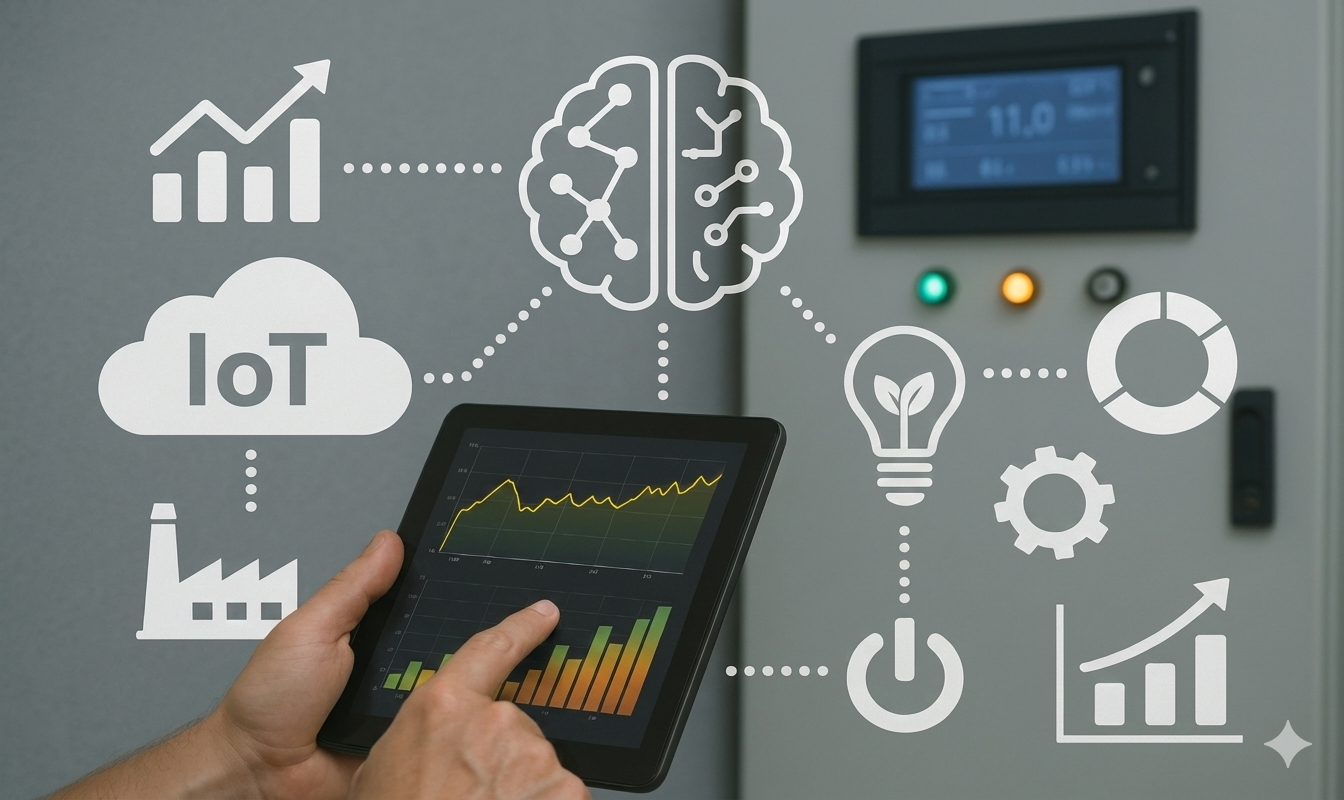
Moreover, combining computer vision with industrial IoT and data analytics enables predictive maintenance, reducing unexpected breakdowns and increasing overall productivity.
Integration with Web and Mobile Applications
Modern manufacturers often integrate computer vision systems with digital platforms and applications for real-time insights and remote monitoring.
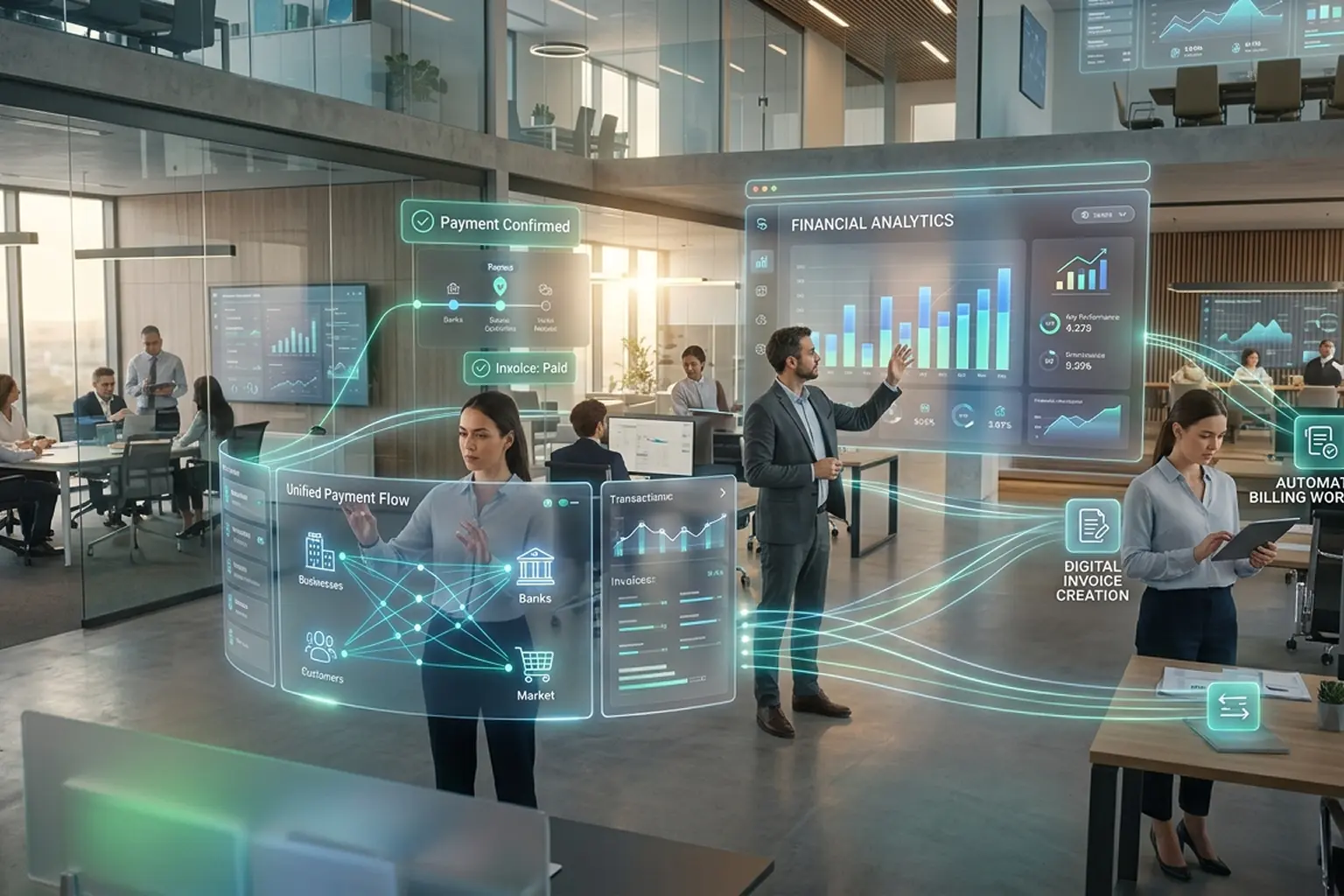
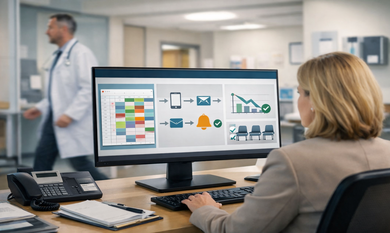
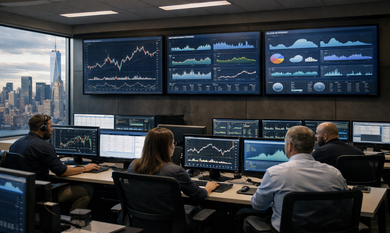
Through custom web app development services Dallas, companies can create interactive dashboards that visualize inspection data, defect trends, and production analytics. These applications help managers identify bottlenecks, analyze quality metrics, and make informed decisions quickly.
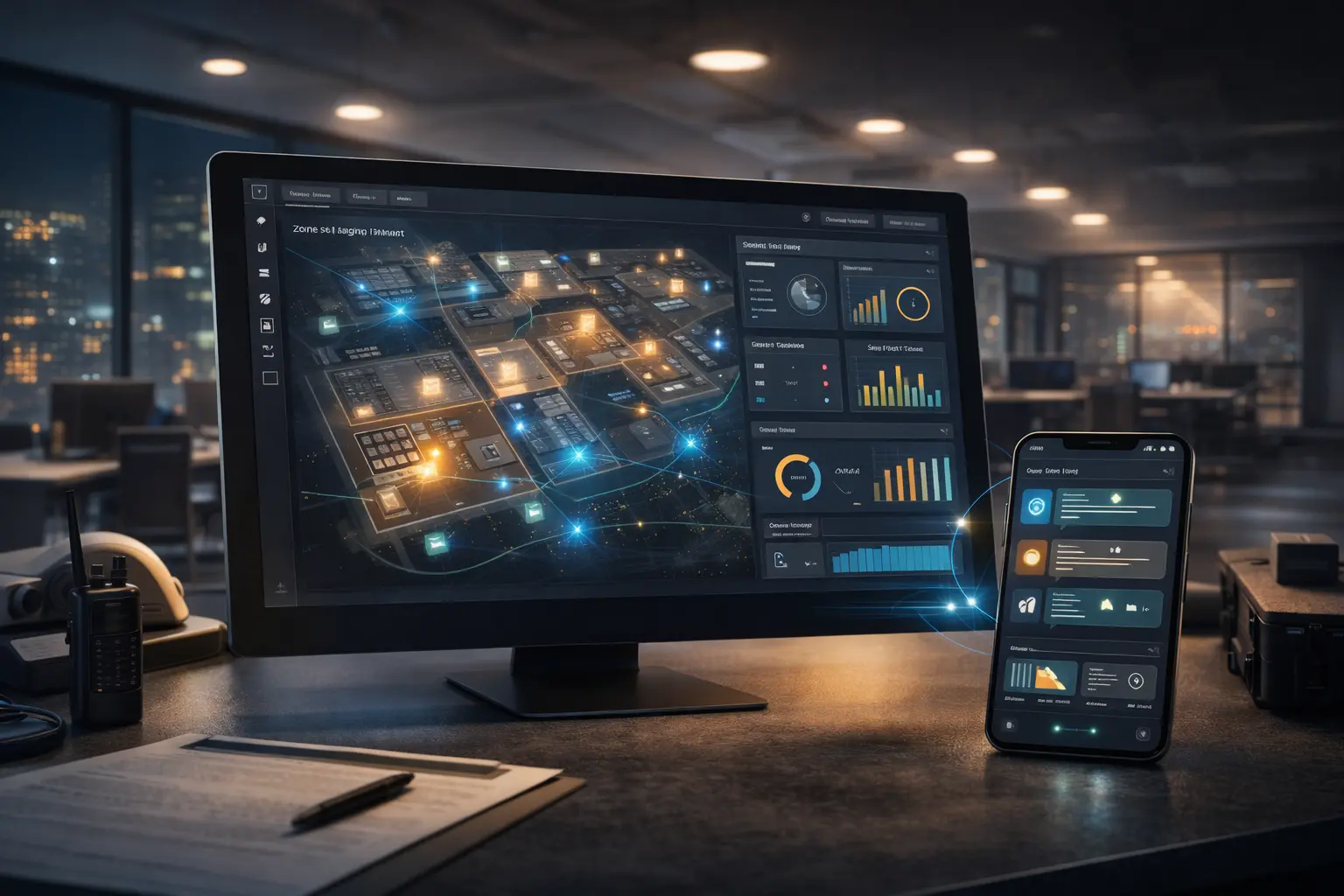
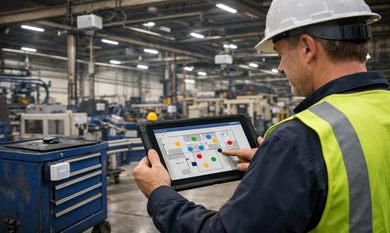
Similarly, partnering with an android app development company Dallas enables manufacturers to develop mobile apps for on-the-go monitoring. Supervisors can receive instant alerts about production quality issues, access real-time reports, and coordinate corrective actions from anywhere.
The combination of web and mobile solutions with AI inspection systems enhances operational agility, visibility, and collaboration across teams.
AI Quality Inspection: Beyond Defect Detection
While the primary use case for computer vision in manufacturing is defect detection, its applications go much further.
- Component verification: Ensuring correct parts are assembled in the right order.
- Dimensional measurement: Accurately verifying component dimensions and alignment.
- Surface analysis: Detecting scratches, dents, or texture inconsistencies.
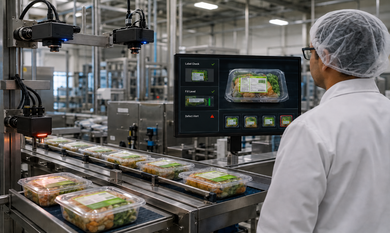
- Product labeling: Ensuring printed information is correctly positioned and readable.
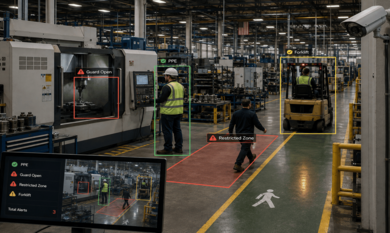
In addition, manufacturers use smart visual inspection systems for packaging verification, material classification, and safety compliance checks, reducing the risk of human oversight.
Challenges in Implementation
While the benefits are immense, implementing computer vision systems does come with challenges.
Key issues include data labeling, lighting variation, and integration with existing manufacturing systems. Training AI models also requires large volumes of labeled images to achieve high accuracy.
However, these challenges are rapidly being addressed with innovations like transfer learning, synthetic data generation, and improved sensor technology. As these solutions evolve, even small and medium-sized manufacturers can adopt computer vision efficiently.
Future of AI-Powered Manufacturing
As manufacturing moves towards full automation, AI quality inspection will become the norm rather than the exception. The next wave of advancements will see:
- Self-learning systems that continuously improve through feedback loops.
- Real-time collaboration between robots and AI systems for immediate defect correction.
- Cloud-based platforms integrating quality data from multiple factories.
With AI-based process inspection and computer vision quality assurance, manufacturers will be able to achieve near-zero defects, optimize operations, and enhance sustainability.
Conclusion
Computer vision is revolutionizing quality control across the manufacturing sector. From computer vision for defect detection to automated visual inspection systems, this technology is helping businesses achieve unparalleled accuracy, speed, and efficiency in production.
As industries embrace AI defect detection tools and automated manufacturing checks, the importance of integrating these technologies with digital platforms continues to grow.
Partnering with a reliable computer vision development services Dallas provider like Theta Technolabs ensures manufacturers gain access to cutting-edge AI solutions customized for their specific needs. With expertise in Web, Mobile, and Cloud technologies, Theta Technolabs empowers manufacturers to achieve smarter, faster, and more consistent production lines.
📩 Ready to Elevate Your Manufacturing Quality Standards?
Discover how computer vision can transform your production efficiency and reduce defect rates. Reach out to our experts today at sales@thetatechnolabs.com to discuss your next AI-powered solution.













.png)


.png)
















.png)




















.png)


.png)



.png)