

Wearable technology has rapidly moved from fitness trackers to clinically reliable healthcare tools that support doctors, hospitals, and remote care teams. For Dallas-based healthcare providers, this shift is creating new opportunities to monitor patients more accurately, reduce hospital workload, and deliver proactive care. As care models shift to prevention, digital transformation, and patient-centered treatment, wearable heath tech is becoming the backbone of modern patient monitoring.
Today, leading hospitals in Dallas are integrating wearable health monitoring apps, AI-generated insights, and IoT-connected medical devices directly into their patient workflows. This transformation is not only improving patient outcomes but also reshaping how healthcare teams collect, analyze, and act on real-time data.
Why Wearables Are Becoming Essential in Dallas Healthcare
Healthcare in Dallas is experiencing rapid modernization. With rising patient expectations, staffing shortages, and the shift toward hybrid and virtual care models, providers need technologies that reduce manual work and enhance clinical accuracy.
Wearables offer exactly that.
Key reasons for adoption include:
1. Real-Time Clinical Visibility
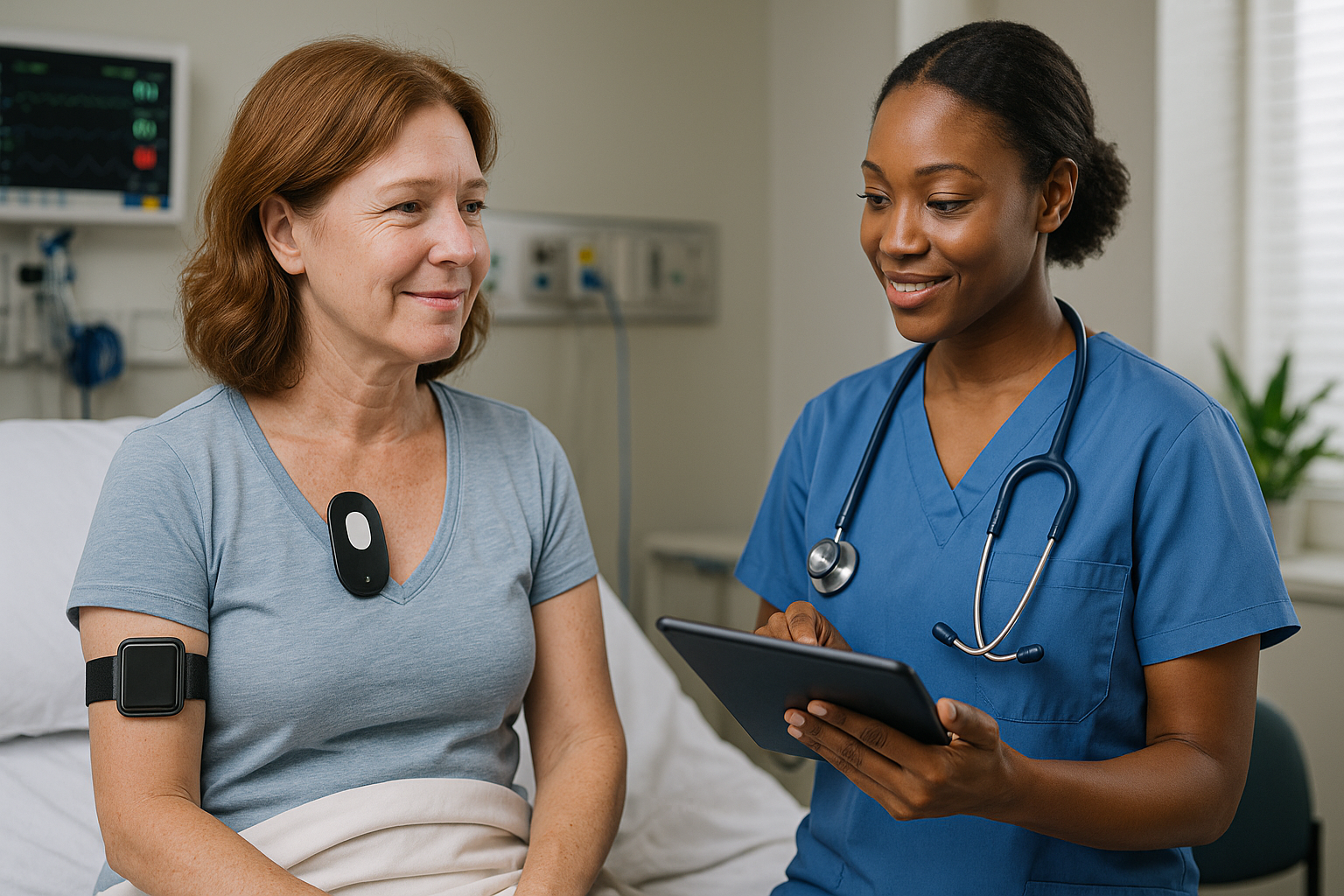
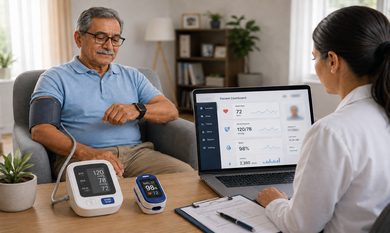
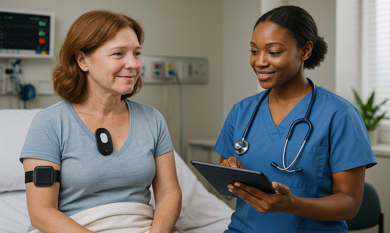
Traditional patient monitoring relies heavily on periodic vitals checks, manual updates, and in-person assessments. Wearables remove this limitation by providing continuous health tracking and smart patient devices that send live data to clinicians.
Imagine a cardiac patient wearing a smart patch that immediately alerts a cardiologist if heart rhythm becomes abnormal. These insights can detect risks before they become emergencies.
2. Improved Chronic Disease Management
Dallas has one of the highest populations dealing with diabetes, heart disease, and hypertension. Wearables help providers remotely monitor:
- Glucose levels
- Blood pressure
- Oxygen saturation
- Sleep irregularities
- Heart rate variability
This supports early detection and reduces hospital readmissions.
3. Seamless Remote Patient Monitoring (RPM) Integration
Remote monitoring surged post-pandemic and is now a standard layer of modern care. Wearables make RPM more scalable and accurate by collecting continuous data rather than relying on patient self-reporting.
Healthcare systems pair these insights with remote monitoring software development, enabling clinicians to deliver faster and more personalized interventions.
How Wearable Health Tech Improves Care Efficiency
Dallas healthcare providers are using wearables not just for patient health insights but also to optimize workflow.
Here’s how:
1. Automated Alerts and Early Intervention
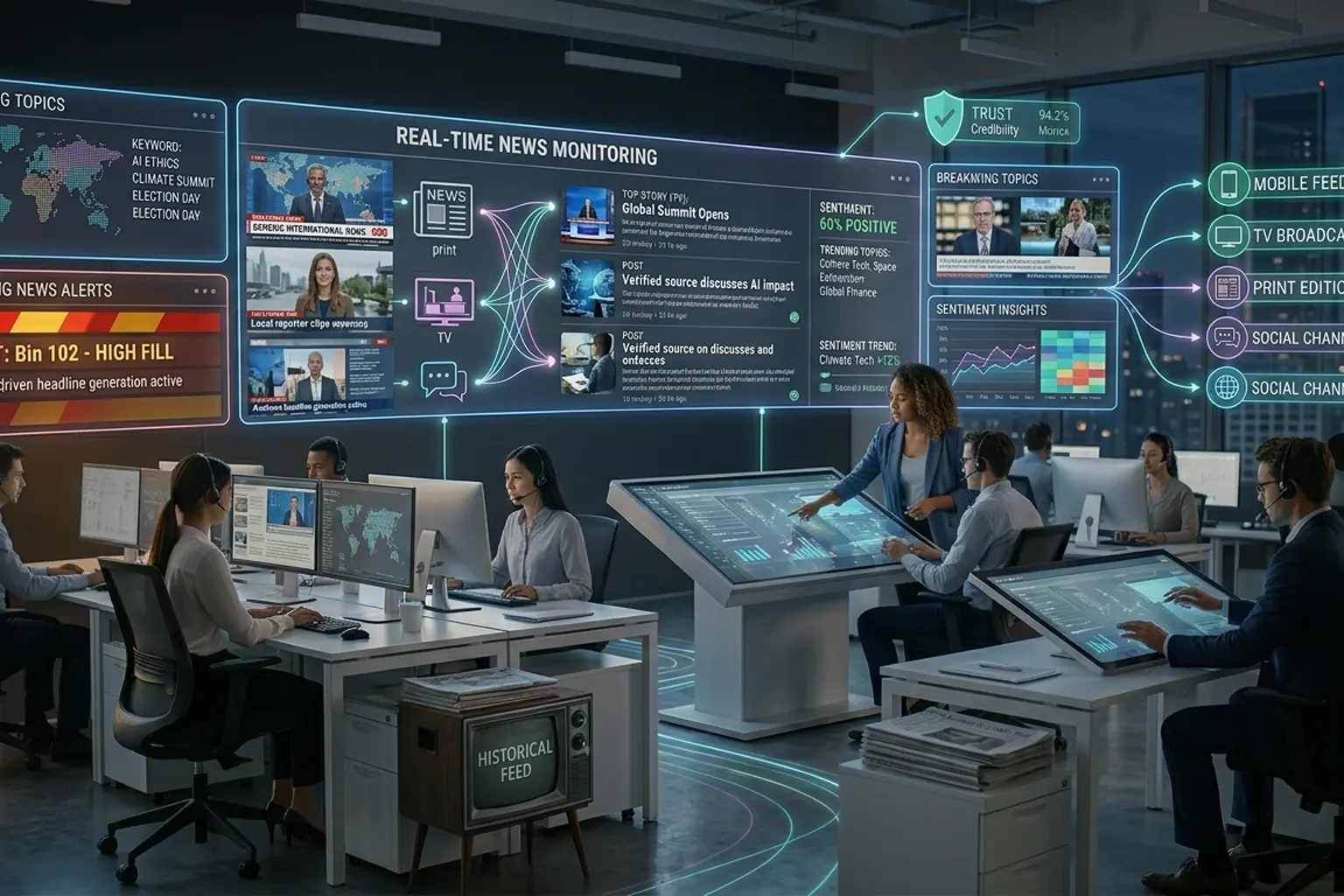
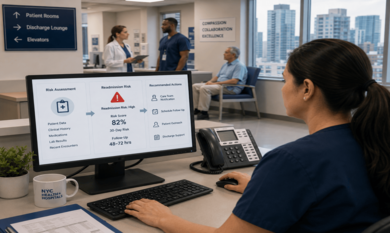
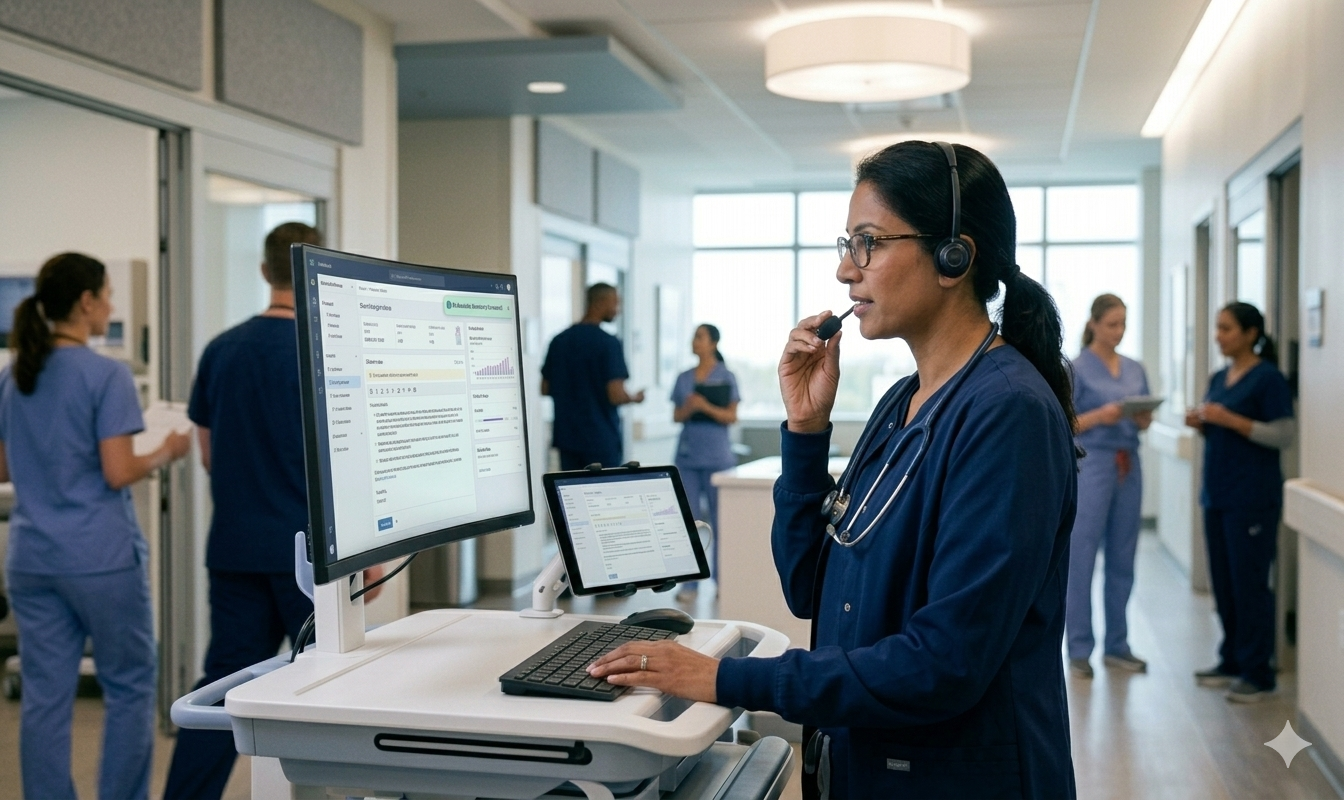
Wearables integrated with medical dashboards use wearable data analytics to detect anomalies and send automatic alerts to doctors or caregivers.
This helps:
- Prevent emergencies
- Reduce ER visits
- Deliver preventive care
A real example: A Dallas clinic using wearable oxygen monitors reduced emergency escalations by 27% among COPD patients.
2. Enhanced Decision-Making With AI & Predictive Insights
When wearable data is combined with AI, the system can:
- Predict potential cardiac events
- Forecast diabetic risk trends
- Identify early symptoms of infections
- Suggest lifestyle adjustments
This is especially useful for telehealth models and integrated care teams.
3. Better Patient Engagement and Compliance
Studies show that patients using wearables are 30–50% more likely to follow treatment guidelines.
Why?
Because wearables provide:
- Daily reminders
- Progress tracking
- Real-time vitals feedback
- Easy doctor communication
This improves both motivation and consistency.
Use Cases That Are Transforming Patient Monitoring in Dallas
1. Post-Surgery Recovery Tracking
Wearables monitor:
- Movement
- Temperature
- Heart rate
- Sleep quality
Doctors use this data to see if recovery is progressing well or if infections and complications are developing.
2. Continuous Cardiac Monitoring
Chest patches and smart ECG devices detect:
- Arrhythmia
- Atrial fibrillation
- Heart stress signals
This supports both in-hospital and at-home cardiac care.
3. Elderly Care and Fall Detection
IoT-enabled healthcare wearables offer:
- Fall alerts
- Motion tracking
- Medication reminders
- Emergency notifications
Dallas senior-care providers are increasingly adopting these solutions.
4. Telehealth and Virtual Care Models
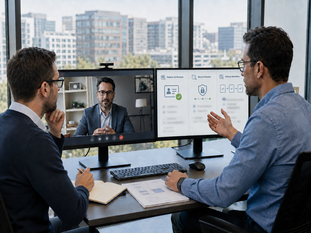
Wearables paired with telemedicine platforms enable doctors to access live vitals during virtual consultations.
This strengthens diagnosis accuracy and treatment personalization.
5. Sports Medicine and Fitness Health Monitoring
Leading Dallas sports clinics use connected patient tracking systems Dallas to help athletes monitor:
- Injury recovery
- Stress levels
- Muscle strain
- Sleep recovery cycles
Technology Behind Wearable Patient Monitoring
Wearables become powerful when integrated with the right digital ecosystem.
Modern solutions rely on:
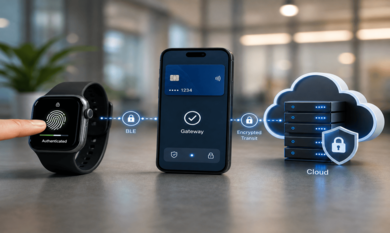
1. IoT-Enabled Healthcare Architecture
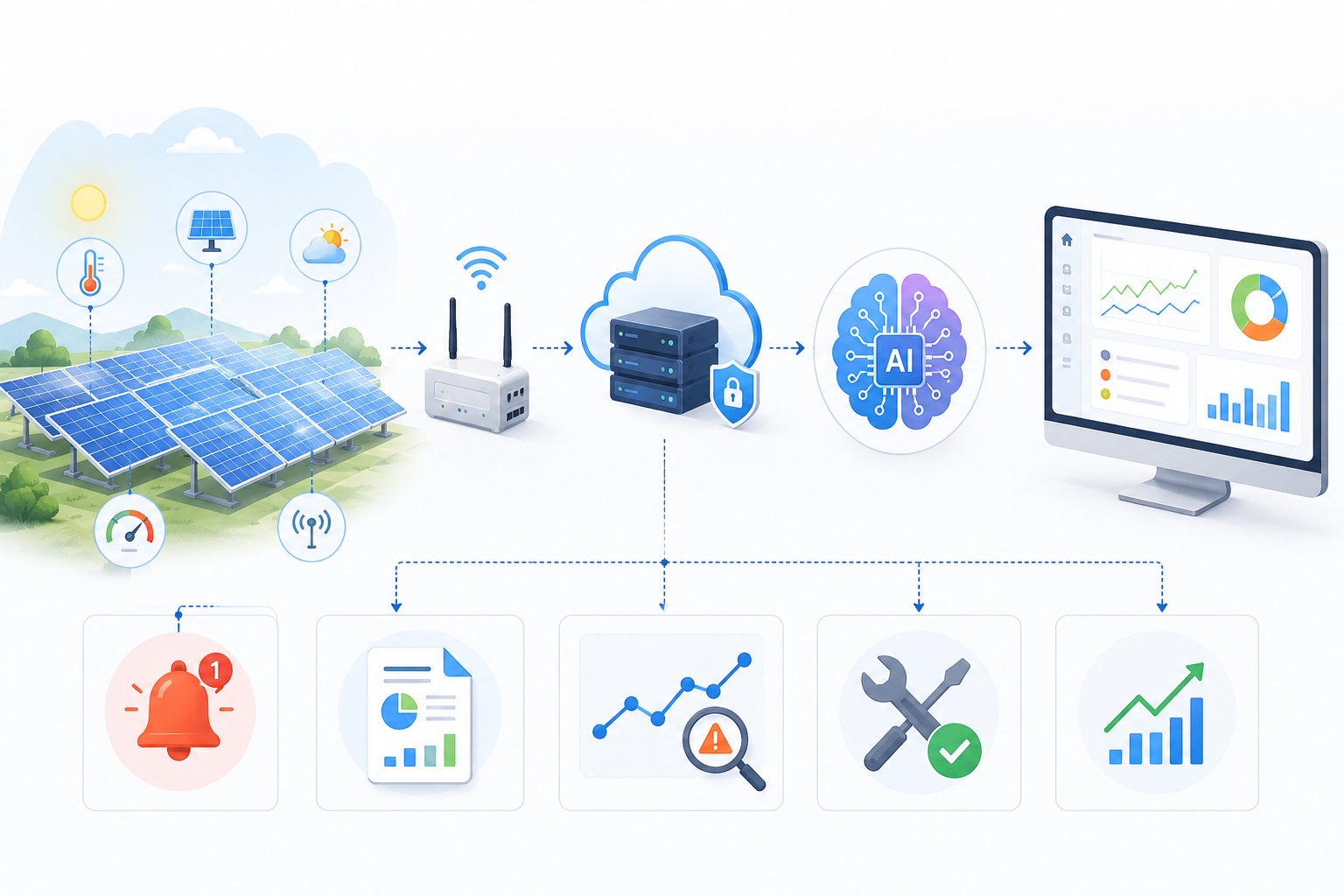
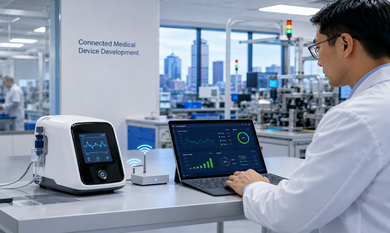
Every device—smartwatch, patch, or medical-grade sensor—needs IoT for data transfer. This enables connectivity between:
- Patients
- Providers
- Cloud-based dashboards
This is why many providers partner with a digital healthcare solution provider Dallas to build secure, scalable integrations.
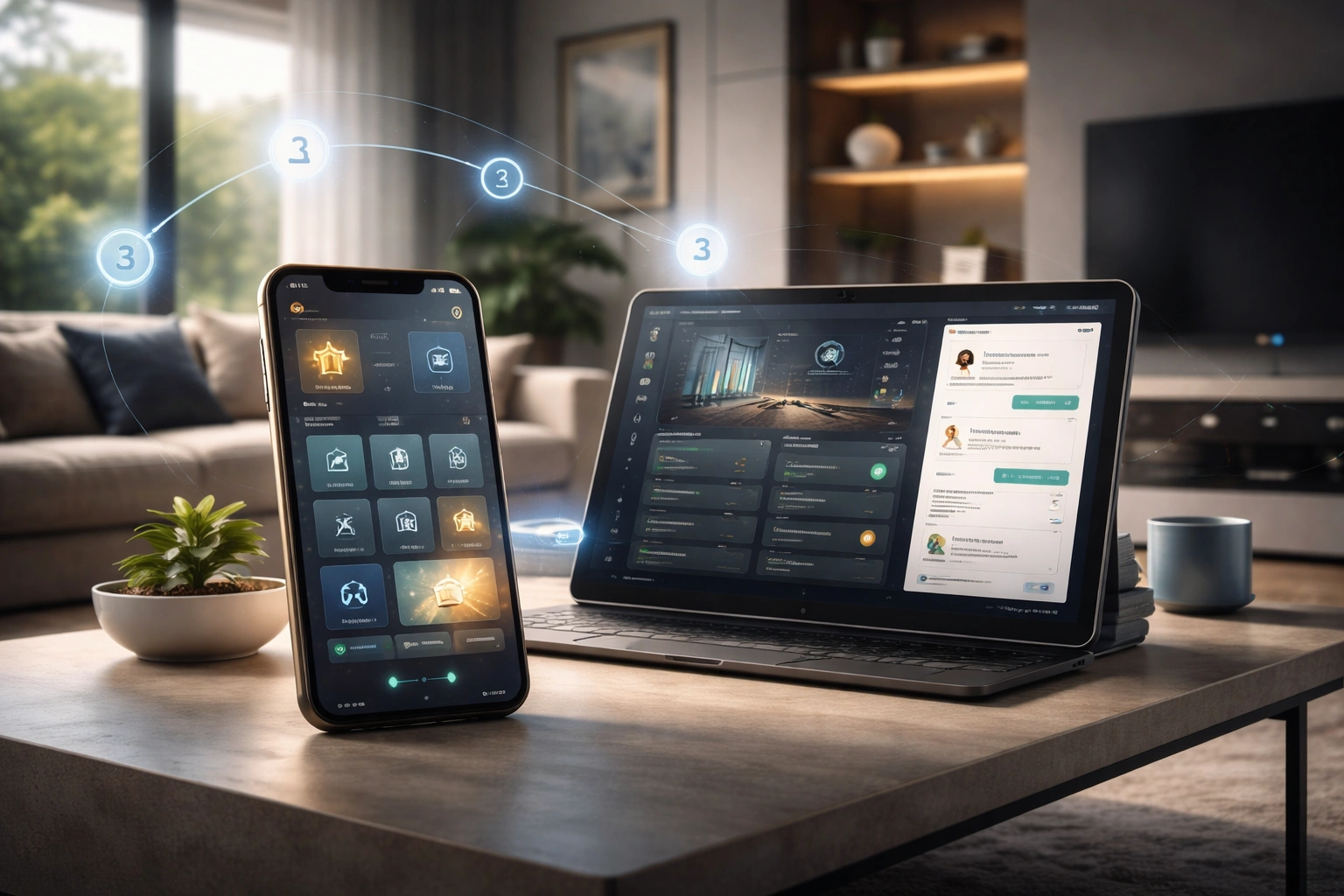
2. Mobile Apps for Data Visualization
To provide actionable insights, hospitals integrate wearables with mobile apps built using technologies like Flutter.
This also aligns with growing demand for flutter app development services dallas, especially for cross-platform patient apps.
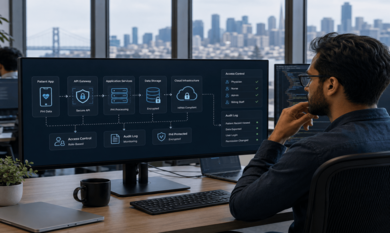
3. Cloud Storage and HIPAA-Compliant Infrastructure
Wearables generate huge volumes of patient data.
Cloud platforms simplify storage, security, and real-time access while maintaining HIPAA compliance.
4. AI for Predictive and Diagnostic Intelligence
AI transforms raw data into:
- Risk scores
- Predictive alerts
- Automated summaries
- Pattern detection
This improves clinical decision-making significantly.
Challenges in Implementing Wearable Health Tech (And How to Solve Them)
1. Data Security and HIPAA Compliance
Healthcare teams must ensure all data is encrypted and securely stored.
2. Integration Difficulties
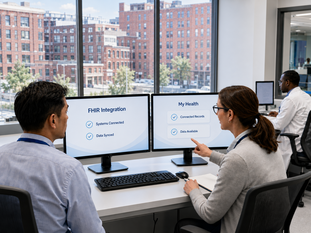
Hospitals with older systems often struggle to integrate modern wearable data flows.
3. Device Accuracy
Medical-grade accuracy is essential; consumer devices sometimes fall short.
4. Workflow Adoption
Doctors and nurses must be trained on how to use wearable dashboards effectively.
These challenges are solvable with proper planning, strong software partners, and cloud-first infrastructure.
Future of Wearable Health Tech in Dallas
Over the next five years, we’ll see rapid evolution in:
- AI-driven diagnostics
- Smart implants
- Predictive patient behavior modeling
- Preventive care using continuous monitoring
- Hybrid hospitals combining physical and digital health
Wearables will become essential tools for Dallas providers focusing on proactive care, population health management, and digital-first healthcare delivery.
Conclusion
Wearable health technology is transforming how Dallas healthcare providers deliver patient care, monitor chronic conditions, and run more efficient operations. With rising adoption of smart patient devices, IoT-enabled systems, and real-time analytics, hospitals can now deliver faster and more intelligent care experiences.
For providers looking to build integrated wearable ecosystems or custom RPM platforms, Theta Technolabs offers end-to-end development across Web, Mobile and Cloud. As a trusted healthcare software development company Dallas, we build HIPAA-compliant, scalable, and future-ready digital health solutions tailored to your needs.
Ready to Build Your Wearable Health Solution?
📩 Email us at sales@thetatechnolabs.com Let’s bring smarter, connected, patient-first healthcare to life.
FAQs
1. What are wearable health technologies?
They are smart devices that monitor vital signs like heart rate, temperature, oxygen levels, and activity in real time.
2. How do Dallas healthcare providers benefit from wearable monitoring?
They get instant patient insights, faster diagnosis, fewer hospital visits, and improved remote care workflows.
3. Are wearable health devices medically reliable?
Yes. Most wearables use clinical-grade sensors and follow strict healthcare compliance standards for accurate data.
4. Can wearables integrate with hospital and telehealth systems?
Absolutely. Wearables sync easily with EHR platforms, telehealth apps, and cloud dashboards, especially when built by teams like Theta Technolabs.
5. What should providers check before adopting wearable tech?
They should evaluate data accuracy, device security, integration options, long-term support, and regulatory compliance.







.png)



.png)
















.png)


















.png)


.png)



.png)