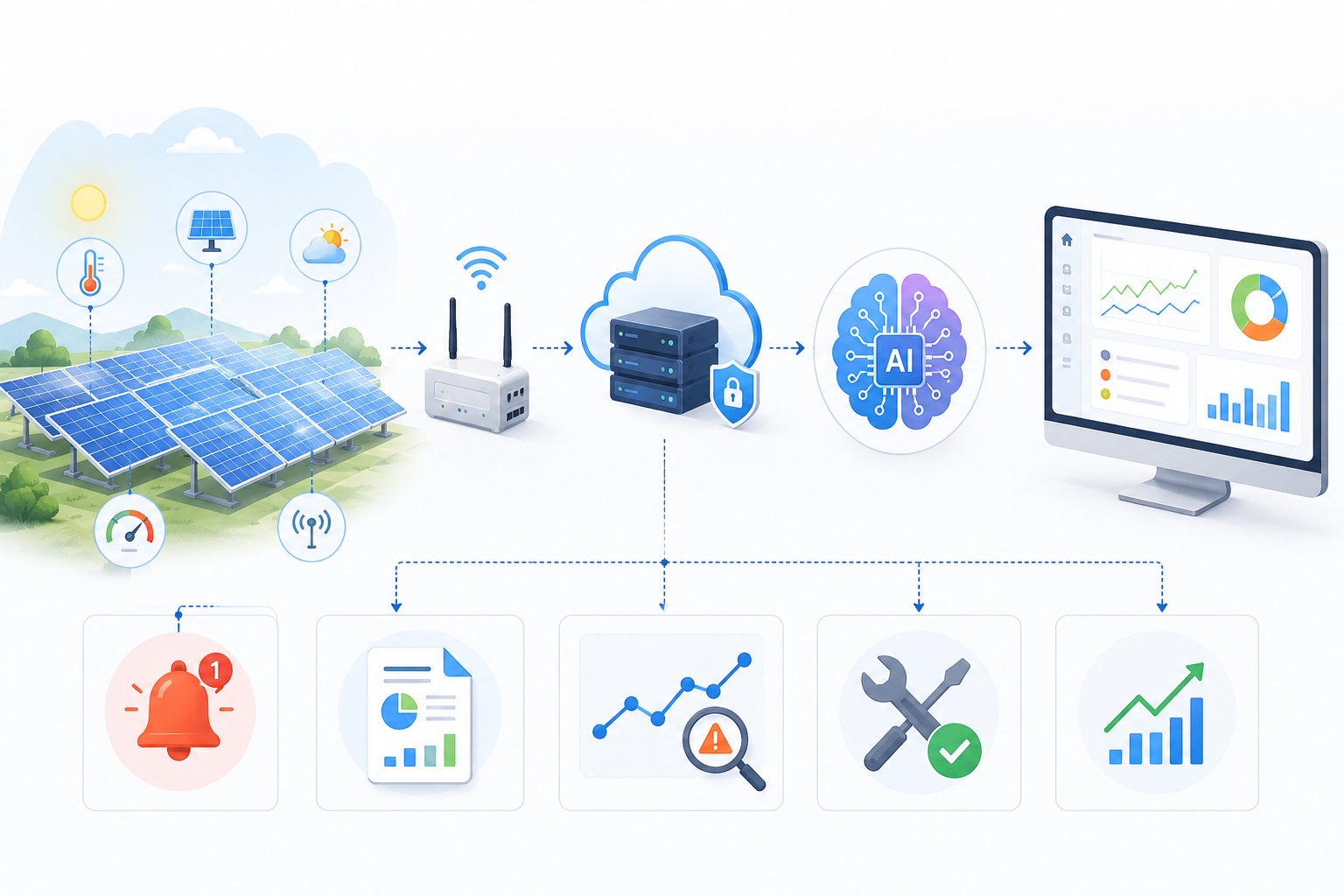


As Dallas continues to rise as one of the strongest tech and startup hubs in the U.S., cloud adoption has become a critical part of how young businesses scale, innovate, and compete. For growing startups, moving to the cloud is not just a technology shift. It is a roadmap toward faster product delivery, flexible infrastructure, and long-term cost savings. But successful cloud migration for startups requires thoughtful planning, the right tools, and processes that align with business goals.
This guide breaks down practical cloud migration strategies built specifically for early-stage and scaling Dallas startups. It also explores common challenges, real-world examples, and structured migration approaches that help founders build future-ready digital ecosystems.
Why Cloud Migration Matters for Dallas Startups
Startups operate in an environment where speed, agility, and efficiency determine survival. With rising customer expectations and lean budgets, cloud platforms offer the flexibility needed to scale without massive upfront investments.
Major reasons startups prioritize cloud adoption include:
1. Faster Go-to-Market
Cloud platforms eliminate long setup cycles. Teams can deploy new features in days instead of weeks.
2. Reduced Infrastructure Costs
Cloud services replace expensive servers with pay-as-you-go pricing models, enabling cost-effective cloud migration even for early-stage startups.
3. Scalability on Demand
Whether handling 100 or 1 million users, cloud environments automatically scale without hardware upgrades. This aligns perfectly with the idea of startup cloud scalability.
4. Better Security and Compliance
Modern cloud providers offer enterprise-grade security that is essential for fintech, healthtech, SaaS, and e-commerce startups.
5. Seamless Remote Team Collaboration
Cloud-native tools support distributed teams, a growing trend among Dallas-based founders.
Understanding the Cloud Adoption Roadmap
A structured cloud adoption roadmap helps startups move to the cloud without disrupting product delivery. Here is a simplified roadmap tailored for fast-growing businesses.
PHASE 1: Assessment and Strategic Planning
This stage helps founders understand their goals, workloads, and migration priorities.
Key steps include:
- Identifying applications suitable for migration
- Analyzing business-critical workflows
- Choosing between public, private, or hybrid cloud
- Estimating costs and planning long-term scaling
- Reviewing current architecture and technical dependencies
Dallas-based SaaS startups often choose a combination of AWS, Azure, and GCP depending on budget, integrations, and scalability requirements.
PHASE 2: Designing the Future Cloud Architecture
This step focuses on creating a flexible, secure, and scalable cloud setup.
Important considerations include:
- Data storage models
- API architecture
- Security frameworks
- Identity and user management
- Containerization (Docker, Kubernetes)
- Selecting managed services to reduce workload
- Integrating serverless functions for cost efficiency
Many founders also integrate node js web development services dallas to modernize their backend before the migration, ensuring performance optimization.
PHASE 3: Choosing a Migration Strategy
Startups commonly use one or more of these approaches:
1. Rehosting (Lift-and-Shift)
Fastest method. Move existing systems to the cloud with minimal changes.
2. Replatforming
Optimize parts of the application for improved performance and cost reduction.
3. Refactoring
Fully modernize architecture to adopt microservices, serverless computing, and cloud-native features.
4. Retiring or Replacing Tools
Remove redundant systems and replace them with better cloud-native options.
This phase often involves upgrading internal tools, integrating DevOps pipelines, and using custom software development services dallas tx to rebuild specific modules for better cloud compatibility.
PHASE 4: Migration Execution
Once the plan and architecture are finalized, actual migration begins. This includes:
- Migrating databases
- Moving applications and services
- Setting up backup and recovery systems
- Establishing security and compliance controls
- Running tests for performance, latency, and load
Many Dallas startups use Startup-friendly cloud tools to automate database replication, load balancing, and configuration management.
PHASE 5: Testing, Optimization and Monitoring
After the migration, continuous monitoring ensures that performance, cost, and scalability remain optimized.
Common practices include:
- Auto-scaling setup
- Right-sizing cloud resources
- Implementing automated security patches
- Using observability tools for performance tracking
- Load testing and API stress simulations
This ensures startups benefit from Scalable startup infrastructure, improved reliability, and long-term cloud stability.
Real-World Example: Dallas Startup Scaling Through Cloud Migration
A Dallas-based proptech startup faced challenges in managing user growth, data storage, and feature deployment. Their legacy infrastructure could not scale, and maintenance costs were rising. By moving to a hybrid cloud model and redesigning their backend, they achieved:
- 60 percent reduction in operational costs
- 4x faster deployment cycles
- 99.99 percent uptime
- Ability to serve 5x more users with no latency issues
This transformation demonstrates how Agile cloud migration helps startups stay competitive, especially in high-growth markets.
Key Cloud Migration Strategies for Growing Startups
Below are actionable strategies tailored for Dallas-based founders.
1. Prioritize Mission-Critical Apps First
Startups should migrate the applications that generate the highest business value, such as:
- Customer-facing apps
- CRM or sales tools
- Data analytics dashboards
- Internal employee portals
This ensures smoother adoption and faster ROI.
2. Adopt a Cloud-First Mindset
Move new features, integrations, and workflows to the cloud by default. This supports:
- Faster iteration
- Greater flexibility
- Enhanced remote collaboration
It also enables the use of web and app development company dallas services when integrating upcoming modules.
3. Use Automation Wherever Possible
Automation reduces human error and accelerates processes. Examples include:
- CI/CD pipelines
- Automated load balancing
- Deployment scripts
- Backup and recovery systems
- Performance monitoring dashboards
These unlock Cloud-first digital scaling for startup teams.
4. Optimize for Cost from Day One
Use cost-efficient strategies such as:
- Serverless computing
- Reserved instances
- Auto-scaling
- Spot instances
- Managed database services
This supports Cost-efficient cloud adoption for resource-conscious founders.
5. Strengthen Security Before Scaling
Security-first cloud strategies include:
- Identity access management (IAM)
- Zero-trust architecture
- Data encryption
- API authentication layers
- Compliance frameworks (HIPAA, GDPR, SOC 2)
Dallas startups in fintech, insurance, and healthcare particularly benefit from this.
6. Build for Multi-Cloud or Hybrid Cloud Early
Startups avoid lock-in by designing flexible cloud architectures. Benefits include:
- Reduced risk
- Greater pricing flexibility
- Enhancing global availability
- Faster disaster recovery
This is especially helpful for startups expecting rapid scaling.
Conclusion
Cloud migration is essential for startups that want to scale quickly, improve agility, and reduce costs. With the right strategies, Dallas-based startups can simplify operations, strengthen digital infrastructure, and accelerate product delivery. To ensure a smooth, optimized, and secure cloud adoption journey, partnering with the best cloud consulting services dallas provider can streamline processes and unlock long-term value. Theta Technolabs, a trusted engineering partner specializing in Web, Mobile and Cloud, helps startups build scalable cloud architectures tailored to their growth needs. For expert guidance, reach out at sales@thetatechnolabs.com.
Build Your Startup’s Cloud Future Today
Want to migrate to the cloud with zero downtime and maximum scalability? Email sales@thetatechnolabs.com and let Theta Technolabs help you design a resilient, future-ready cloud ecosystem.
























.png)





.png)

























.png)

























.png)



.png)



.png)