

Boston’s commercial real estate and workplace ecosystem is changing fast. From hybrid work models and flexible offices to rising operational costs and sustainability mandates, building owners and facility managers are under pressure to use every square foot smarter. Guesswork no longer works. What Boston businesses need today is real visibility into how spaces are actually used, not how they were designed to be used.
This is where BLE development services in Boston are becoming a key driver of smarter buildings. By using Bluetooth Low Energy technology, organizations can monitor occupancy, movement, and space utilization in real time without invading privacy or overhauling existing infrastructure.
Let’s explore how BLE-based occupancy and space utilization monitoring works, where it delivers the most value, and why Boston-based enterprises are investing in it right now.
Why Occupancy and Space Utilization Matter More Than Ever in Boston
Boston is home to dense commercial districts, premium office spaces, hospitals, universities, research labs, and fast-growing tech campuses. These environments face common challenges such as underutilized meeting rooms, overcrowded peak hours in certain zones, rising energy and maintenance costs, limited visibility into real usage patterns, and difficulty justifying real estate expenses.
Traditional methods like manual audits, access card data, or camera-based systems are either inaccurate, intrusive, or expensive. BLE-based occupancy tracking offers a lightweight, scalable, and privacy-safe alternative that fits perfectly into modern smart buildings.
What Is BLE-Based Occupancy and Space Utilization Monitoring?
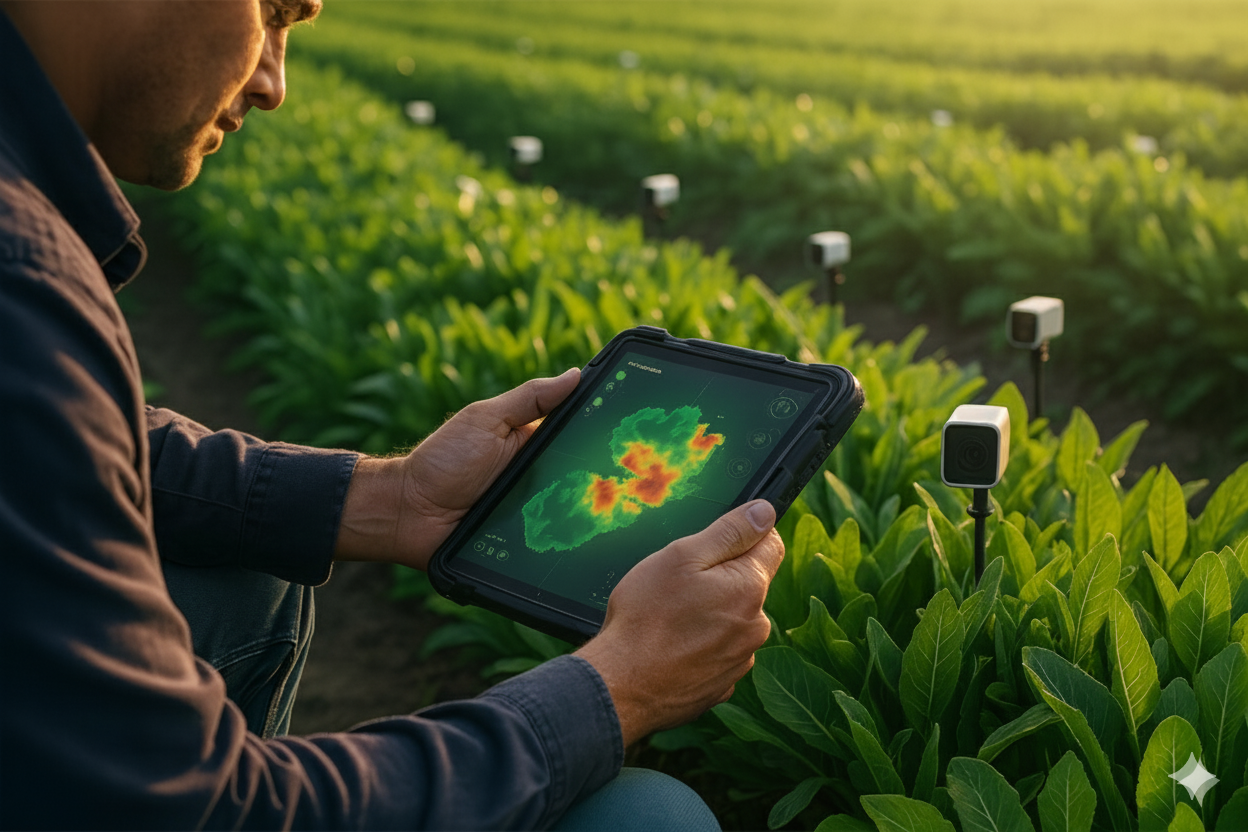
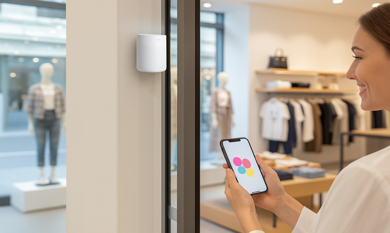
BLE technology uses small beacons and sensors that communicate with nearby devices to detect presence and movement. When deployed across a building, BLE enables BLE-based occupancy tracking, real-time space utilization monitoring, zone-level and room-level occupancy insights, anonymous movement analysis, and continuous data collection with low power consumption.
Unlike video surveillance, BLE does not capture personal identities. Instead, it focuses on behavioral patterns, making it suitable for offices, hospitals, universities, and shared workspaces.
These systems often integrate with indoor positioning systems, analytics platforms, and facility optimization platforms to convert raw data into meaningful insights.
How BLE-Based Systems Work in Real Buildings
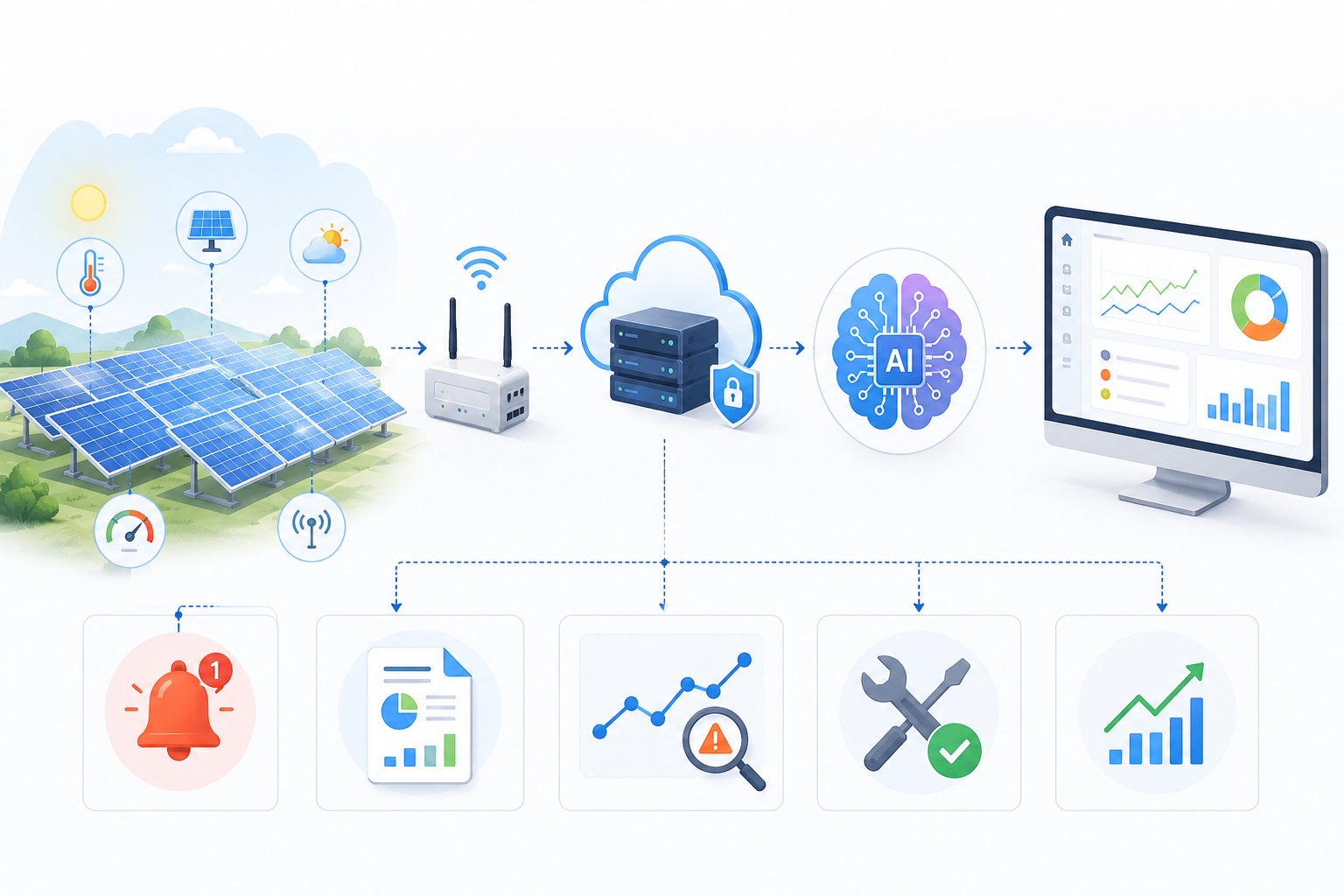
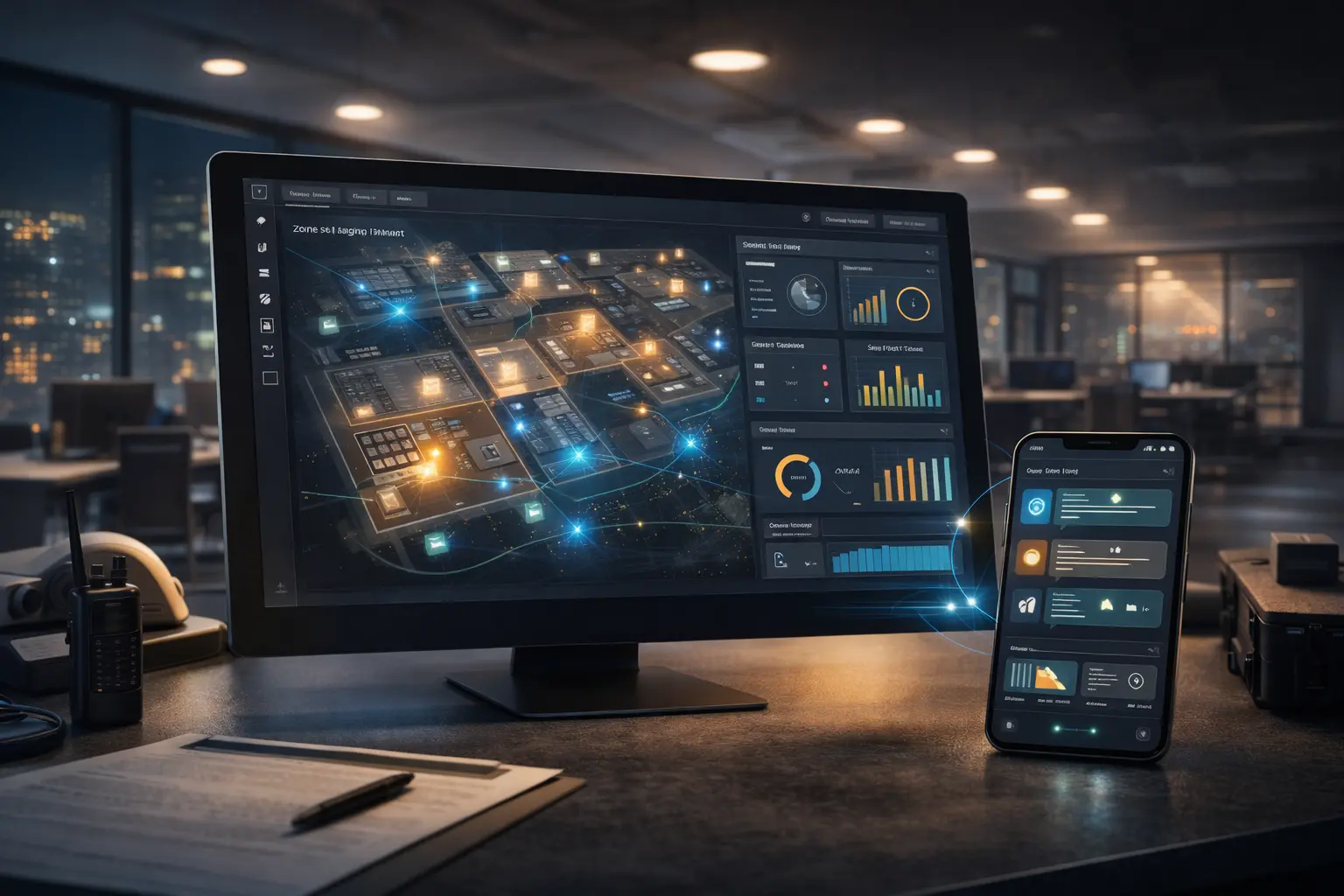
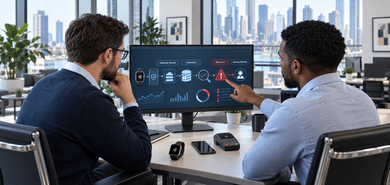
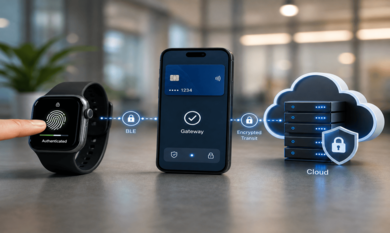
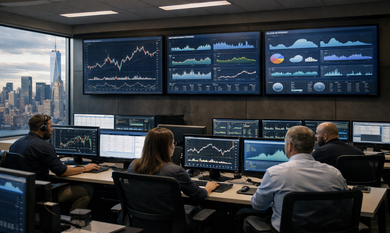
A typical BLE-based occupancy solution includes BLE sensors and beacons installed across rooms, desks, corridors, and common areas. These sensors send data to a centralized system where an analytics engine processes it into workplace occupancy insights. Facility teams access this information through live occupancy dashboards that show usage trends, heatmaps, and alerts.
An integration layer connects the solution with building management systems, HVAC controls, booking tools, or enterprise platforms. The outcome is a complete smart building analytics ecosystem that shows how space is actually used throughout the day.
Key Use Cases Across Boston’s Commercial Ecosystem
Corporate Offices and Hybrid Workplaces
A Boston-based financial services firm struggled with complaints about meeting room shortages. After implementing BLE-based occupancy tracking, they discovered that many rooms were booked but rarely used, some floors had low occupancy, and demand peaked only during limited hours.
Using data-driven space planning, the company redesigned layouts, introduced flexible collaboration zones, and reduced unused space. This led to measurable cost savings and improved employee experience.
Co-Working Spaces and Business Centers
For co-working operators, space utilization directly impacts revenue. BLE-based solutions help operators track desk and room usage, analyze demand patterns, and design better pricing models.
Live occupancy dashboards allow operators to manage availability in real time and improve member satisfaction without manual checks.
Universities and Large Campuses
Boston’s universities manage vast campuses with classrooms, libraries, labs, and common areas. BLE enables administrators to understand how spaces are used throughout the academic year.
Insights from real-time space utilization monitoring help improve scheduling, reduce congestion during peak periods, and plan future infrastructure investments more effectively.
Hospitals and Healthcare Facilities
Hospitals require accurate space visibility without compromising privacy. BLE-based systems support better management of waiting areas, patient flow, and shared clinical spaces.
When combined with smart building analytics, healthcare teams can optimize operations while maintaining compliance and patient trust.
Solution Implementation with an IoT Development Company in Boston
Deploying BLE-based occupancy monitoring goes beyond installing sensors. A skilled IoT development company in Boston focuses on solution architecture, signal accuracy, security, and scalability.
Implementation typically includes custom sensor placement, optimization for building layouts, secure data pipelines, cloud-based analytics, and alignment with enterprise IT policies. Local expertise is especially important in Boston, where buildings often include older infrastructure and mixed-use environments.
Dashboards, Analytics, and System Integration
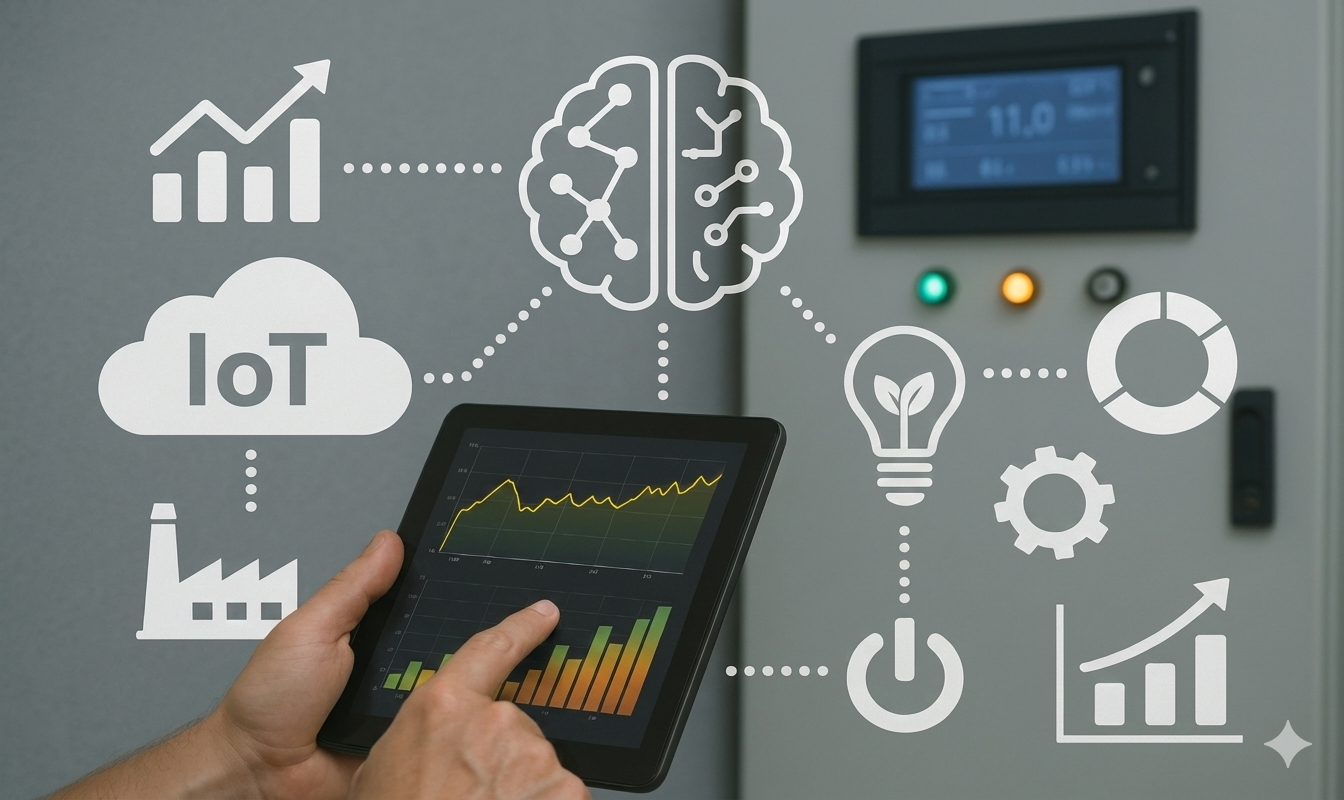
The real value of BLE solutions lies in visualization and analytics. Modern systems provide live occupancy dashboards, heatmaps for real-time space utilization monitoring, historical trends, and automated reports for leadership teams.
An experienced IoT development company in Boston ensures seamless integration with building management systems, HVAC platforms, access control systems, and enterprise analytics tools. This creates a unified view of space performance and supports continuous optimization.
Business Benefits for Decision-Makers
Facility managers gain better control over space allocation and operational efficiency. Real estate teams can justify leasing decisions with accurate data. CTOs and IT leaders benefit from scalable, secure solutions that integrate easily with existing Web, Mobile and Cloud platforms. Operations and workplace strategy teams can rely on workplace occupancy insights to drive long-term planning.
Why BLE Is Ideal for Boston’s Smart Buildings
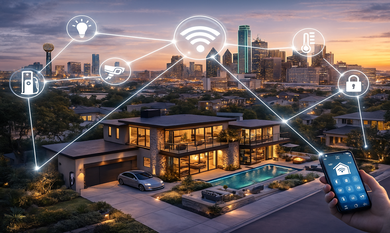
Boston’s building landscape includes historic properties, modern offices, research campuses, and healthcare facilities. BLE technology works well because it requires minimal wiring, supports retrofitting, consumes very little power, scales easily, and preserves occupant privacy.
These advantages make BLE development services in Boston a future-ready choice for organizations investing in smart infrastructure.
The Future of Space Intelligence in Boston
As analytics and AI continue to evolve, BLE-based systems will move beyond monitoring. Occupancy data will drive automated HVAC adjustments, predictive space planning, optimized cleaning schedules, and sustainability reporting.
Organizations that invest today will gain long-term operational efficiency and better workplace experiences.
Build Smarter Spaces with BLE Intelligence
If you are looking to implement BLE development services in Boston that deliver real business value, Theta Technolabs can help.
We design and deploy scalable BLE-based occupancy and space utilization solutions across Web, Mobile and Cloud environments for offices, campuses, healthcare facilities, and commercial buildings.
📩 Connect with our team:
sales@thetatechnolabs.com
Let’s turn your spaces into intelligent, data-driven assets.






















.png)



.png)




















.png)