

Corrosion is one of the most persistent problems for pipeline systems across the Gulf Coast. It develops quietly, often for months, and by the time it surfaces on a routine check the damage may already be advanced. Manual and periodic inspection can miss it, which can lead to leaks, downtime, and safety issues for Houston energy operators. Computer vision pipeline corrosion detection offers a way to close that gap, bringing more consistency and earlier warning to the visual side of inspection by turning your existing footage into something an integrity team can act on faster. This article walks through how AI corrosion detection in oil and gas works, where it fits into your current inspection program, and what building it actually takes.
Why pipeline corrosion is a costly problem for Houston energy operators
Houston sits at the center of one of the busiest pipeline and refining corridors in the country, which means a lot of steel carrying product across a wide mix of environments. Corrosion in that setting is not a rare event. It is an ongoing condition that operators have to manage across thousands of miles of pipe, some of it decades old, some of it offshore and hard to reach.
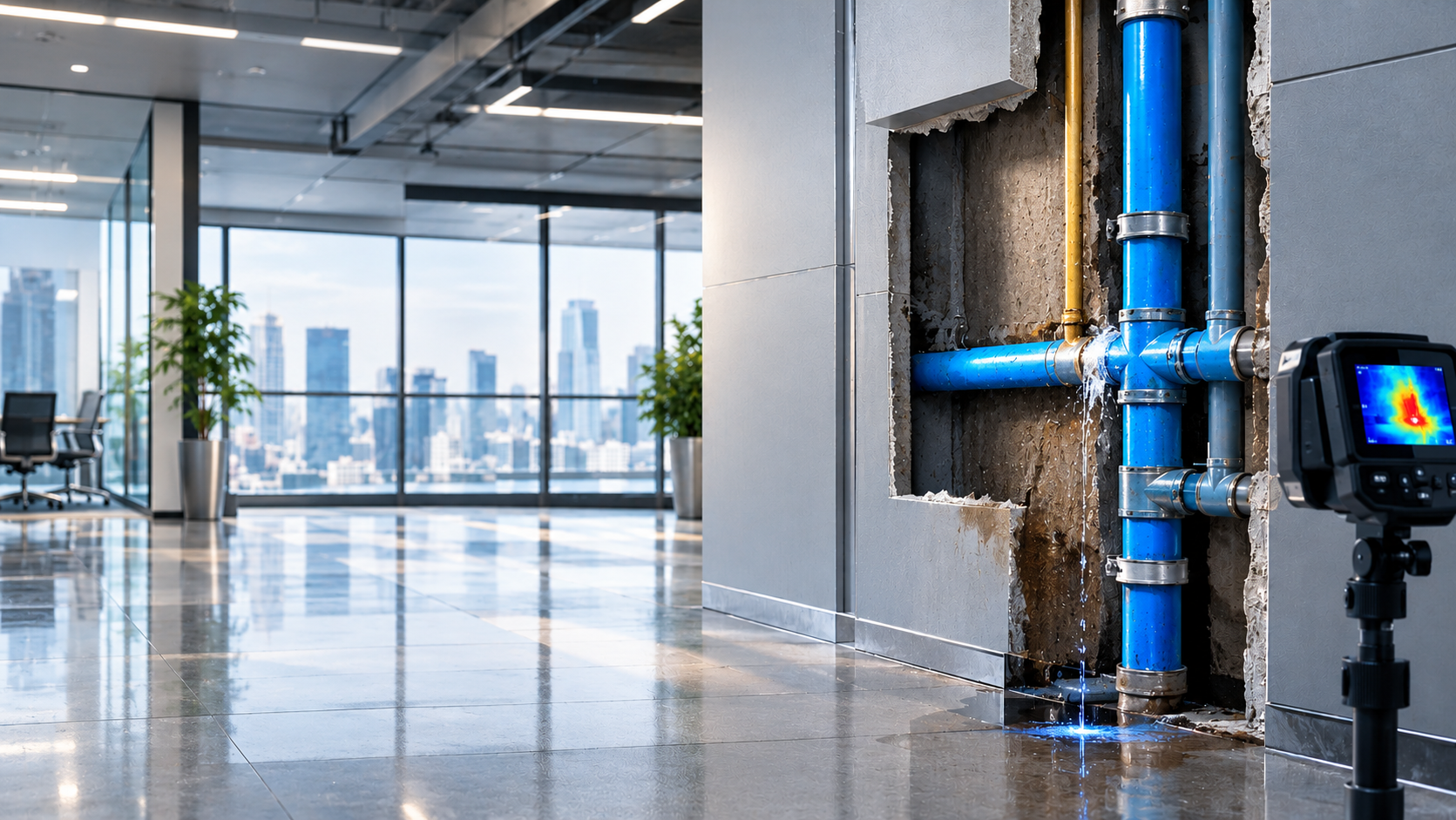
The trouble with corrosion is that it is easy to miss early. Manual visual checks depend on who is looking, how tired they are, and how much footage they have to get through. Periodic inspection leaves gaps between visits. When corrosion is caught late, the consequences are not small. There is downtime, remediation cost, the risk of a leak, and the safety exposure that comes with it. Any corrosion detection software for energy operators has to earn its place by closing those gaps, which is exactly where computer vision for oil and gas is starting to prove useful. Operators building this capability locally often lean on AI development support in Houston to get it right.
How computer vision detects pipeline corrosion
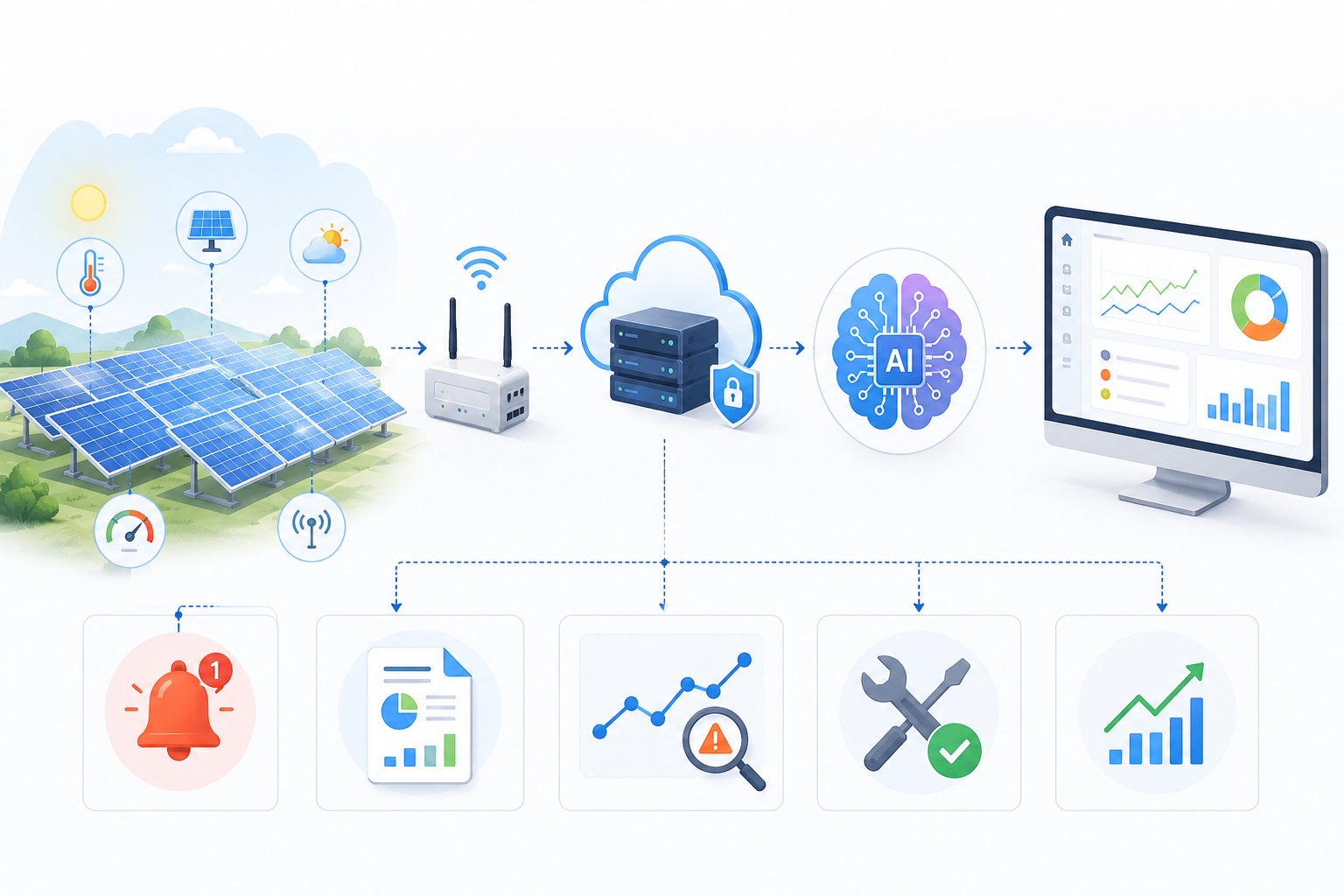
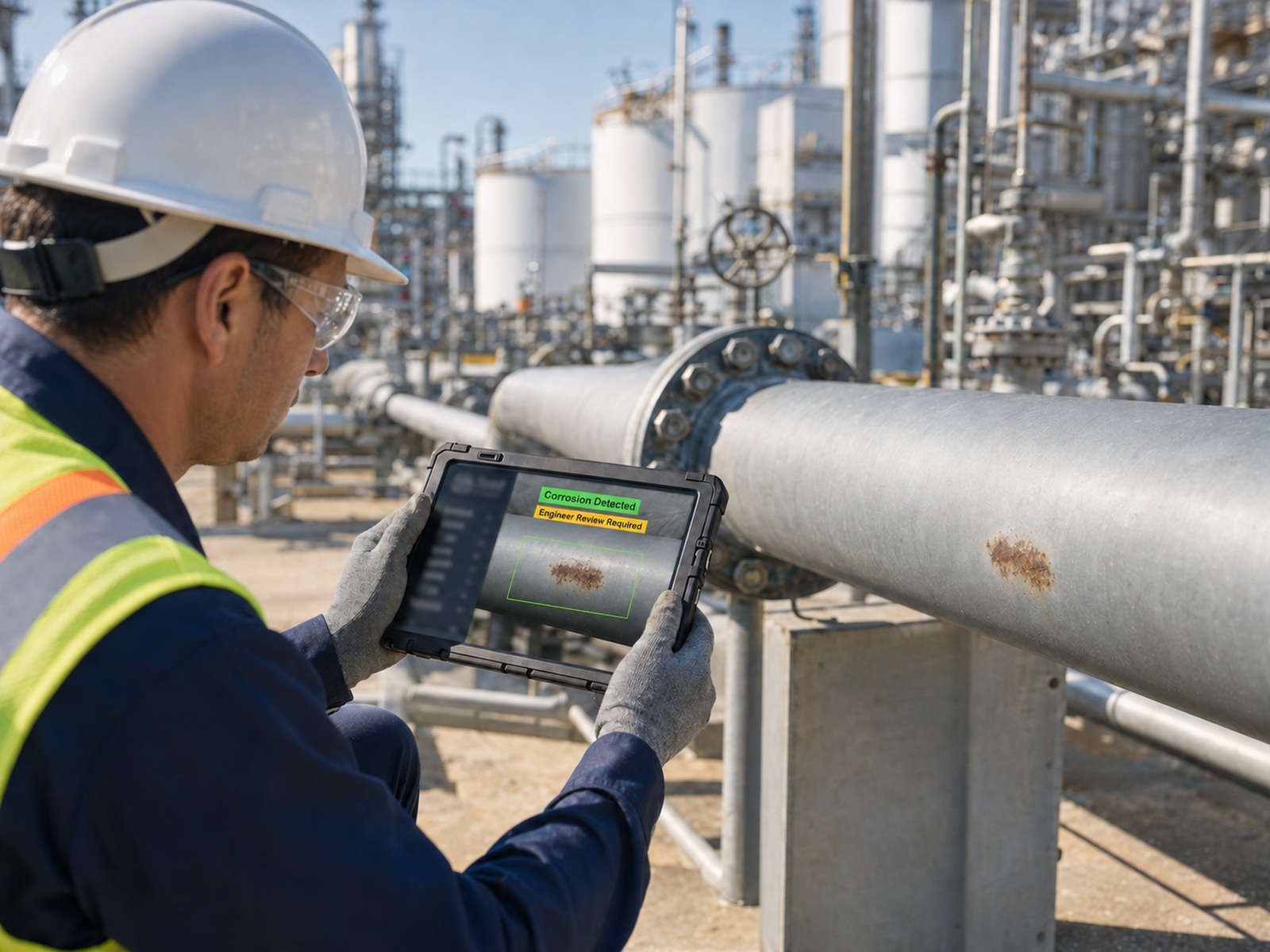
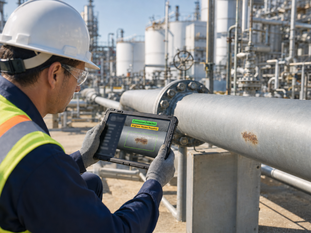
Pipeline corrosion detection using computer vision works by training a model on large sets of labelled images, some showing corroded pipe and some showing clean pipe, until the model learns to recognize the visual signs of corrosion on footage it has never seen before. Once trained, it reviews new imagery from your existing inspection sources such as cameras and video feeds and flags what it finds, often catching subtle or early patterns that are hard to spot by eye across hours of footage.
There are three levels of capability worth knowing, and they build on each other:
- Classification answers a simple question, whether corrosion is present in an image or not.
- Detection goes further and marks where the corrosion sits, drawing boxes around each affected spot.
- Segmentation is the most detailed, labelling the exact shape and coverage of a corroded area so the extent can be measured.
Most practical deep learning corrosion detection setups combine these, so an integrity engineer sees not just that corrosion exists but where it is and how far it has spread. That is the difference between a vague alert and something a team can prioritize. Machine vision corrosion inspection does not get tired or distracted halfway through a shift, which is part of why AI-based pipeline monitoring is drawing serious interest from operators sitting on huge volumes of inspection footage.
Where computer vision fits in existing inspection programs
One thing worth saying clearly is that this technology is not here to replace what you already run. Computer vision is a layer on top of established inspection work, not a substitute for it. Your in-line inspection runs, your non-destructive testing, and your visual surveys all stay in place. What automated pipeline inspection software adds is a way to get through the visual data faster and more consistently.
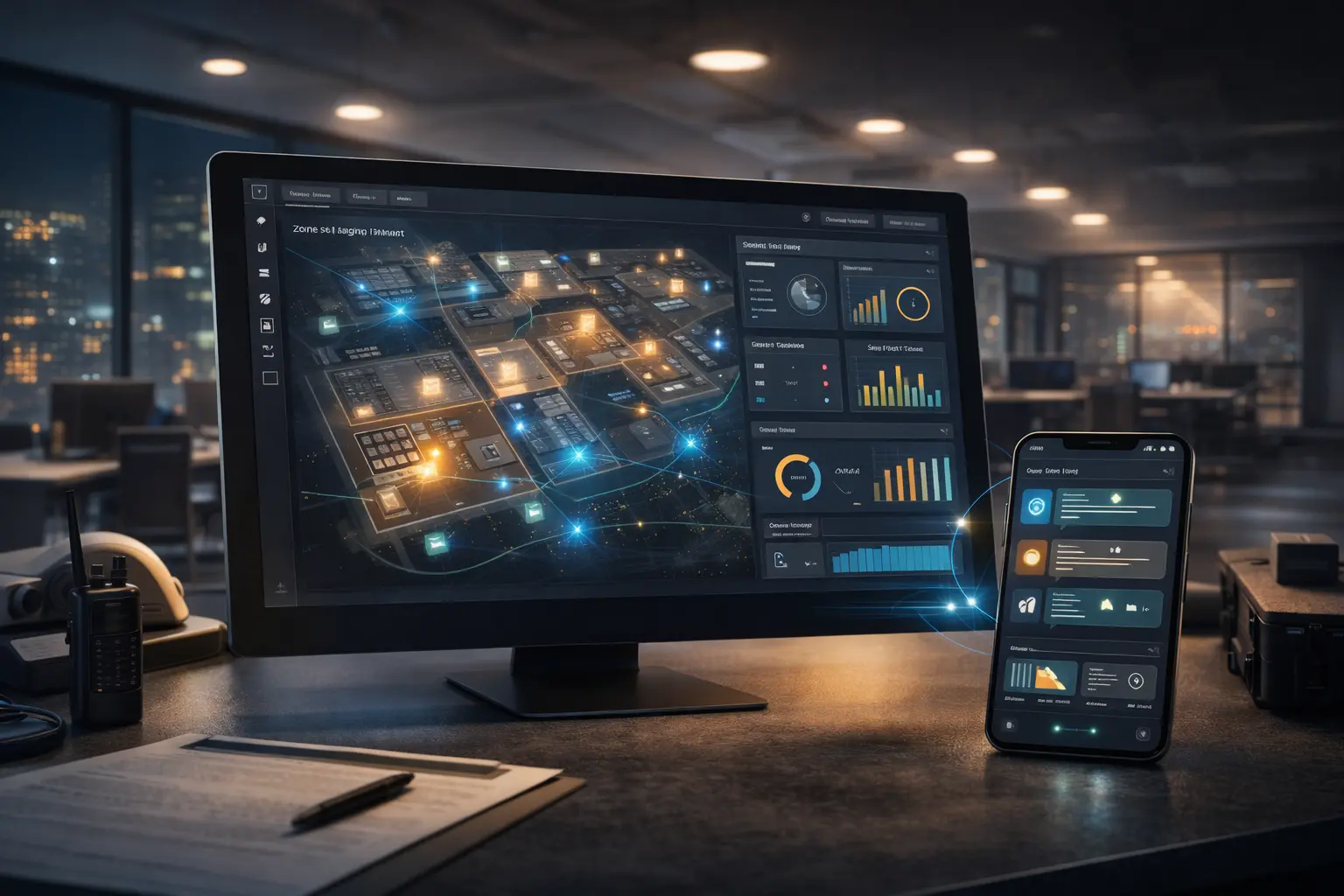
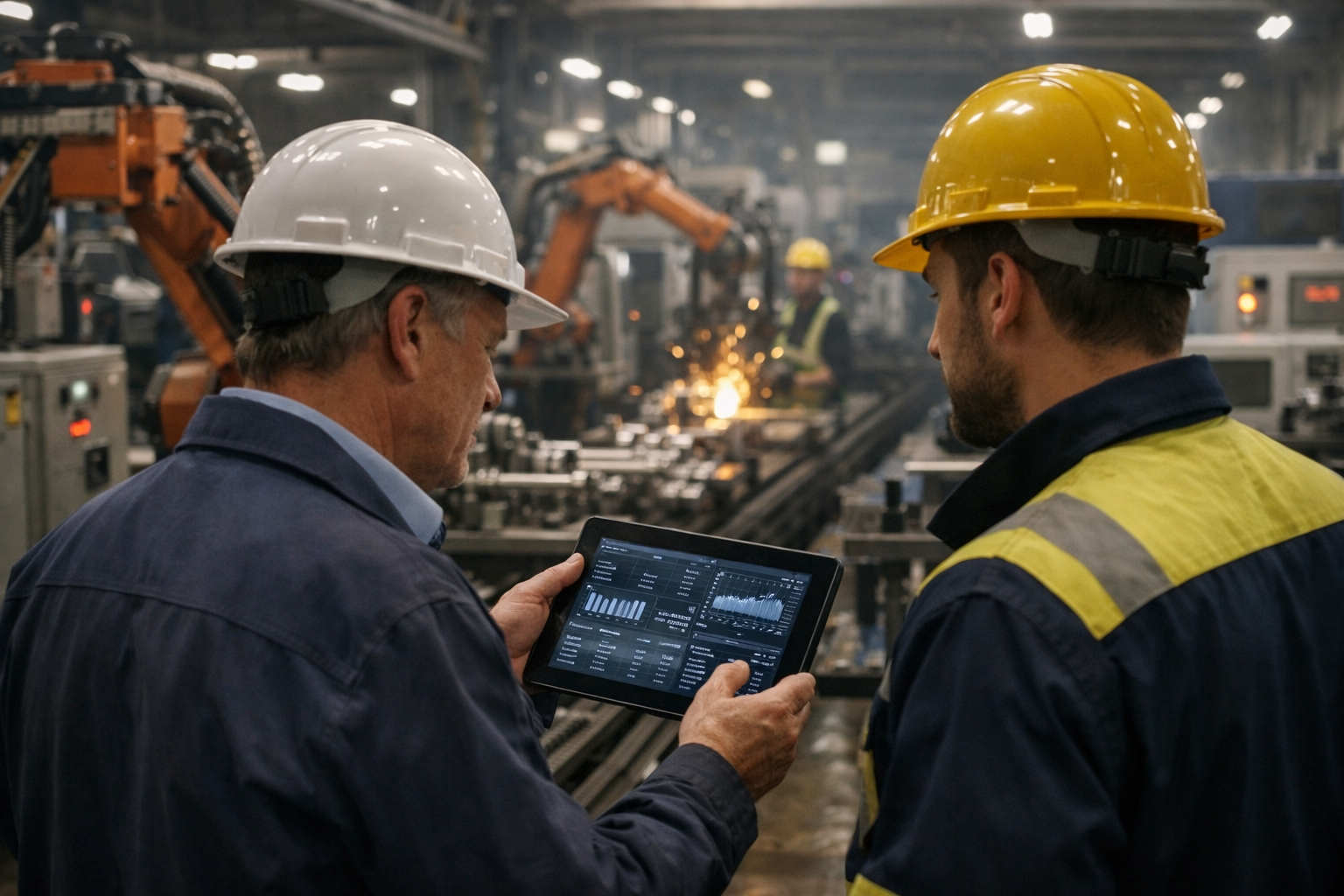
In practice, that means the model does the first heavy pass across thousands of images, triaging the footage so your engineers spend their time on the segments that actually need a closer look rather than scrolling through clean pipe. Visual detection also sits alongside other methods rather than overriding them, so findings can be checked against the wider picture your other tools provide. An automated corrosion inspection system is most valuable when its output flows into the systems your teams already use, which is where connecting inspection data into broader manufacturing software solutions and operational dashboards pays off.
Meeting pipeline integrity and compliance expectations
Corrosion is not just an operational headache. It is a named threat under pipeline integrity management, one that operators are expected to identify, assess, and remediate, with extra attention in high-consequence areas. Regulators treat corrosion control as an ongoing duty rather than a one-time task, and the expectation is that operators keep improving how they monitor for it over time. The Pipeline and Hazardous Materials Safety Administration sets out these pipeline integrity management responsibilities in detail.
This is where consistent, well-documented visual detection can help. AI pipeline integrity management tools can support the recordkeeping and repeatability that integrity programs depend on, giving you a traceable log of what was inspected and what was flagged. It is worth being clear that meeting compliance obligations remains the operator's responsibility. No software removes that duty or guarantees a compliant outcome on its own. What computer vision can do is make the visual inspection part of that work more thorough and easier to evidence.
What building a computer vision corrosion detection system involves
A useful system is not something you switch on out of the box. It starts with gathering imagery that reflects your own assets, then labelling it carefully so the model learns from examples that match the pipe, coatings, and conditions you actually operate. From there the model is trained and validated against your real footage, tuned, and then integrated with the data and dashboards your teams already work in.
Conditions matter here. Image quality, lighting, weather, and the state of the pipe surface all affect what a model can reliably pick up, so the system has to be shaped around your environment rather than a generic dataset. That tuning is ongoing, and results tend to improve as more inspection data comes in over time. This is detailed, hands-on work, which is why most operators build it with an experienced partner. Scoping it properly with a team that offers computer vision development services helps avoid the common trap of a promising demo that never holds up in the field.
Deployment realities and keeping engineers accountable
There are practical choices to make once the model works. Some operators process imagery at the edge, close to where it is captured, when footage is heavy or connectivity is limited. Others run it in the cloud where scaling is easier. Both are valid, and the right call depends on your assets and how your field data moves.
False positives are part of the picture too. A model will sometimes flag something that turns out to be fine, so the workflow has to account for review rather than blind trust. Sensitive asset imagery also needs to be handled as the critical-infrastructure data it is, with proper controls around access and storage. Above all, a qualified corrosion or integrity engineer stays the final decision-maker on any flagged finding. The model supports that judgment and speeds up the work. It does not replace the person signing off, and any responsible deployment keeps it that way.
Frequently asked questions
How does computer vision detect pipeline corrosion?
Computer vision detects corrosion by analyzing images of pipe with a model trained to recognize the visual signs of corrosion. It reviews your inspection footage and video feeds and flags where corrosion appears, often catching early patterns that are easy to miss by eye.
Can AI replace manual pipeline corrosion inspection?
No, and it is not meant to. AI corrosion detection in oil and gas is best used to support inspection teams, handling the first heavy pass across large volumes of footage so engineers can focus on the segments that need attention. A qualified engineer still reviews and confirms findings.
How accurate is computer vision for detecting corrosion?
Accuracy depends heavily on image quality, lighting, and how well the model has been trained on imagery that matches your assets. A well-built system tuned to real operating conditions can be a reliable first line of review, though results should always be confirmed by an integrity professional.
Does computer vision corrosion detection support pipeline compliance?
It can support the visual inspection and recordkeeping side of an integrity program by making detection more consistent and easier to document. Meeting regulatory obligations remains the operator's responsibility, and the technology assists that work rather than guaranteeing compliance.
Bringing it together
Computer vision will not replace your inspection program, and it will not take the engineer out of the decision. What it can do is bring earlier, steadier corrosion detection into the work you already do, help your team get through visual data faster, and give your integrity program a more consistent record to stand on. For Houston operators managing large and demanding pipeline assets, that is a practical step worth exploring.
If you are thinking about building this capability, Theta Technolabs can help you scope and develop a system shaped around your assets and conditions. Reach out at sales@thetatechnolabs.com to start the conversation.





















.png)




.png)


















.png)