

Boston's healthcare ecosystem is one of the most connected in the country. Mass General Brigham, Beth Israel Lahey, and a growing cluster of digital health startups around Kendall Square are all pushing remote patient monitoring (RPM) further into everyday care. But most teams building these systems underestimate what HIPAA-compliant remote patient monitoring actually requires at the architecture level. It isn't a checkbox you add after the product works. It's a set of design decisions that shape how the wearable, the network, the cloud, and the mobile app all talk to each other from day one. This piece walks through how that architecture actually gets built, not just what the compliance paperwork says.
What "HIPAA-Compliant" Really Means for an RPM System
Encryption and signed Business Associate Agreements get mentioned in almost every article on this topic, and for good reason: they're required. But they're the floor, not the whole system. HIPAA splits into two practical halves that matter for engineering teams: the Privacy Rule, which governs who can access patient data and under what conditions, and the Security Rule, which governs the administrative, physical, and technical safeguards protecting that data. According to HHS's official guidance, covered entities and their business associates need documented risk assessments, access controls, audit logging, and breach response procedures, not just a locked database. PHI encryption in transit and at rest is one piece of that technical safeguard requirement, and it needs to be designed into the pipeline before the first sensor reading is ever collected, not patched in during a security review.
The Core Architecture: Wearable, BLE, Cloud, Dashboard
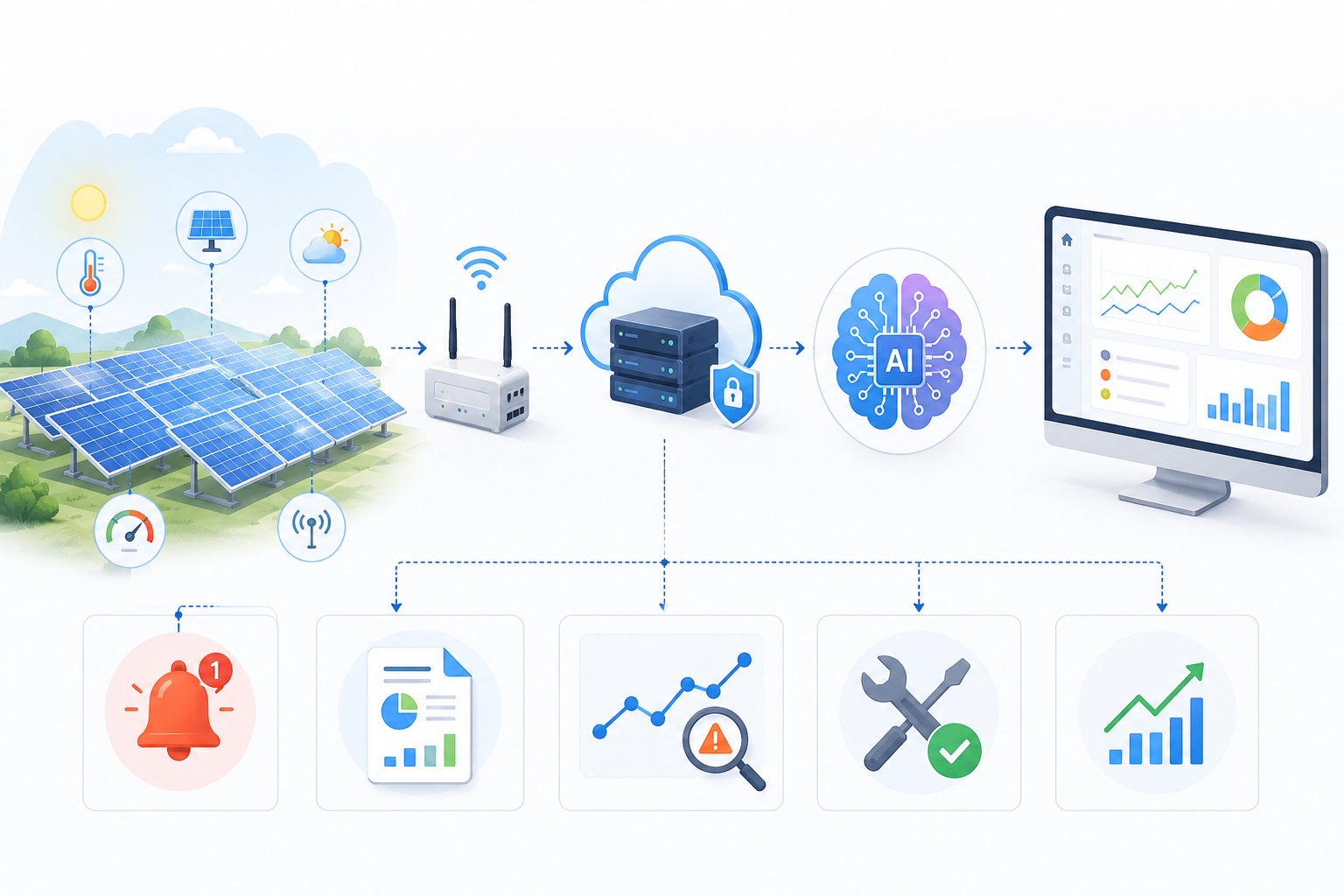
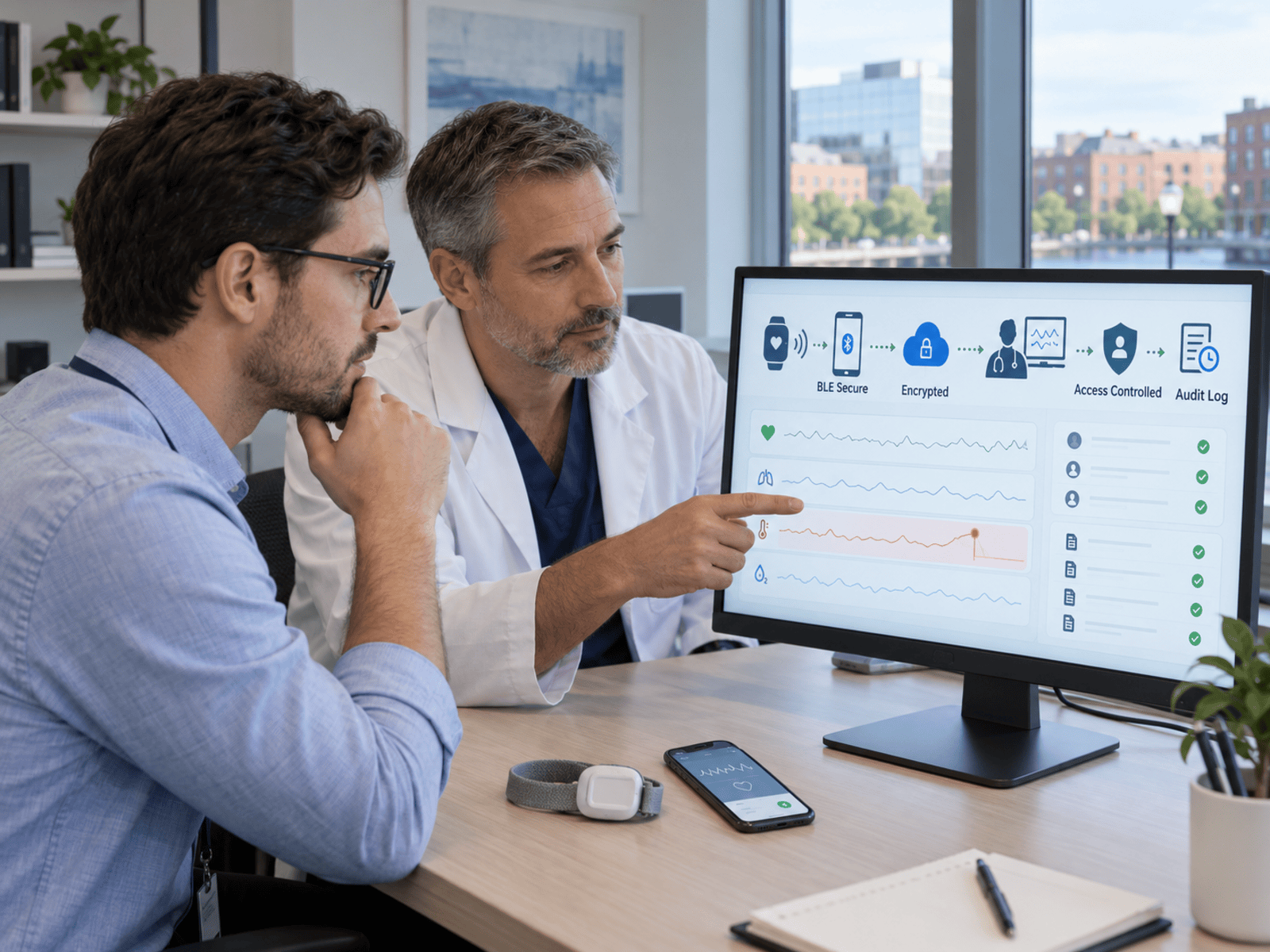
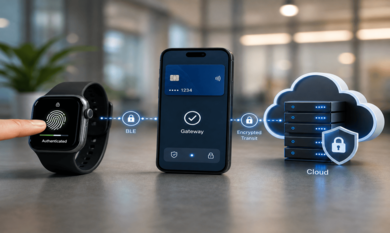
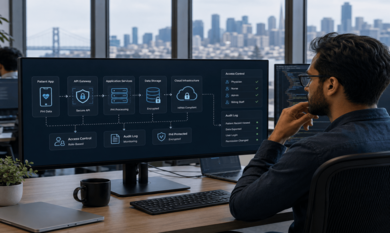
Most guides stop at describing "an IoT architecture" in the abstract. In practice, a wearable-based RPM system is a chain of four layers, and each one carries its own compliance and engineering considerations.
Device Layer: Choosing the Right Wearable
The first real decision founders face is medical-grade vs consumer wearables. A consumer fitness tracker gives you heart rate and step counts, but it wasn't built or validated for clinical decision-making, and its data pipeline usually wasn't designed with PHI handling in mind. FDA-cleared medical wearables cost more and take longer to integrate, but they hold up under clinical and regulatory scrutiny in a way consumer devices don't. The right call depends on whether the output feeds a clinician's treatment decisions or just supports patient engagement. Those are two different products with two different compliance burdens.
Connectivity Layer: Getting Data Off the Device Safely
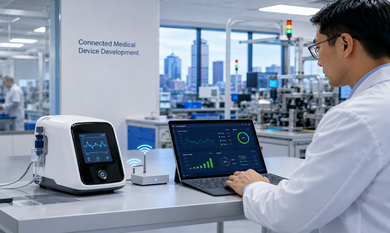
This is where a lot of remote patient monitoring system architecture actually breaks down in practice. Bluetooth Low Energy is the standard for wearable-to-phone communication because it's power-efficient enough for long battery life, but BLE pairing, session handling, and payload structure all need to be built with encrypted transport in mind from the start. It's why healthcare teams working with wearables, including several we've supported through our work as a bluetooth low energy app development company in Boston, bring in BLE-specific expertise early rather than treating it as a generic mobile integration task. Getting the connectivity layer wrong doesn't just cause dropped readings. It can open a gap in the PHI chain of custody before data even reaches the cloud.
Cloud Layer: Where the Data Actually Lives
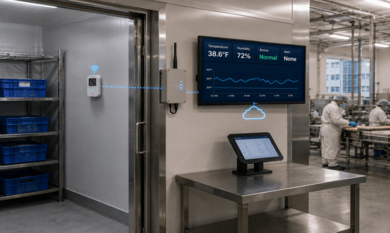
Once data leaves the device, it needs a home that can scale and stay compliant under load. This is the cloud infrastructure for patient monitoring, typically a combination of a message broker (MQTT is common for high-frequency sensor streams), a time-series or structured database, and application logic that enforces access controls before any clinician or patient-facing app can read the data. This layer is also where most of the audit logging and encryption-at-rest requirements get implemented in practice.
Signal Integrity: The Part Most Teams Skip
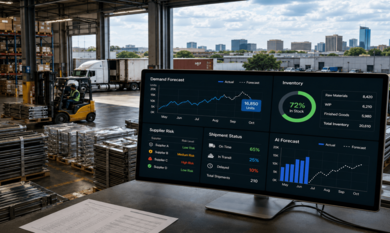
Wearable sensors are noisy. Movement artifacts, dropped packets, retransmissions, and occasional bad readings are normal. The difference between a trustworthy RPM system and an unreliable one is how it handles that noise. A solid pipeline filters obvious artifacts, deduplicates retransmitted readings, and flags improbable values before they ever reach a clinician's dashboard. It's also worth maintaining provenance data, meaning which firmware version, which app version, and which device serial produced a given reading, because when a clinical team questions a data point months later, "we don't know where that came from" isn't an acceptable answer. This step gets skipped often because it doesn't show up in a demo, but it's what separates a pilot project from something a hospital will actually trust.
The Mobile App and Clinician Dashboard Layer
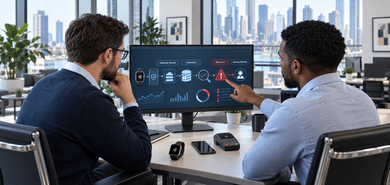
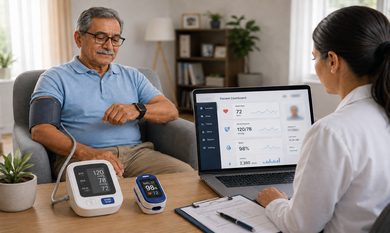
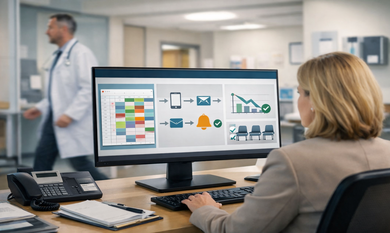
The patient-facing mobile app and the clinician-facing dashboard are where HIPAA compliant mobile app development decisions become visible to actual users. On the patient side, that means simple, low-friction interfaces. Most adherence problems in RPM come from confusing apps, not unwilling patients. On the clinician side, the dashboard needs threshold-based alerting, trend visualization, and role-based access so only authorized staff see PHI, with every access event logged. These aren't nice-to-haves. They're direct extensions of the Security Rule's access control and audit requirements. Teams offering healthcare software development services in the USA generally build this layer with the same rigor as the backend, because a compliant cloud pipeline feeding into a loosely secured app undermines everything built underneath it.
Choosing Vendors: A BAA and IoT Partner Checklist
Whether you're building in-house or bringing in outside help, a few questions separate a compliant partner from a risky one:
- Will they sign a Business Associate Agreement for wearable devices and any cloud services touching PHI, not just a general NDA?
- Can they show a documented risk assessment process, not just a claim of being HIPAA compliant?
- Do they have prior experience with device integration, not only generic app development? This is where iot application development services in the USA differ meaningfully from a standard mobile shop, since device-level protocol handling, firmware compatibility, and sensor calibration are specialized skills.
- Do they design for encryption and audit logging from the start, or treat it as a post-launch addition?
A vendor that can't answer these clearly is a bigger long-term risk than a slightly higher quote from one that can.
Common Pitfalls Teams Run Into
A few mistakes show up repeatedly in early-stage RPM projects. Teams treat consumer wearables as clinical-grade without validating accuracy for the intended use case. They skip signal validation because it slows down the initial build. And perhaps most common, they treat HIPAA compliance as a final review step instead of a design constraint present from the first architecture diagram, which usually means expensive rework later.
Frequently Asked Questions
Do wearables like Fitbit or Apple Watch count as PHI sources under HIPAA?
Once that data is collected, stored, or transmitted by a covered entity or its business associate for treatment purposes, it becomes PHI and falls under HIPAA, regardless of whether the device itself is consumer-grade.
What's the difference between a HIPAA-compliant RPM app and a regular health app?
A HIPAA-compliant RPM app is built around Security Rule requirements, such as encryption, access controls, audit logging, and a signed BAA with every vendor touching the data, from the architecture stage rather than added afterward.
How long does it take to build a compliant RPM system?
Timelines vary with device complexity and integration scope, but building compliance in from the start is generally faster overall than retrofitting it after an MVP is already live.
Building It Right the First Time
Wearable-based remote patient monitoring gives Boston's hospitals and health-tech teams real opportunities to catch problems earlier and reduce unnecessary visits, but only when the underlying system is built with compliance as a foundation, not an afterthought. If you're scoping an RPM product and want to talk through the architecture before you commit to a build, our team at Theta Technolabs is happy to walk through it with you. Reach out at sales@thetatechnolabs.com.
Meta Description -
Learn how to build a HIPAA-compliant remote patient monitoring system using wearable IoT sensors, secure BLE, cloud architecture, and audit controls.
Schema Markup -
<script type="application/ld+json">
{
"@context": "https://schema.org",
"@graph": [
{
"@type": "BlogPosting",
"mainEntityOfPage": {
"@type": "WebPage",
},
"headline": "How to Build HIPAA-Compliant Remote Patient Monitoring Systems with Wearable IoT Sensors",
"description": "Learn how to build a HIPAA-compliant remote patient monitoring system using wearable IoT sensors, secure BLE, cloud architecture, and audit controls.",
"image": "REPLACE-WITH-ACTUAL-BANNER-IMAGE-URL",
"author": {
"@type": "Organization",
"name": "Theta Technolabs",
"url": "https://www.thetatechnolabs.com/"
},
"publisher": {
"@type": "Organization",
"name": "Theta Technolabs",
"url": "https://www.thetatechnolabs.com/",
"logo": {
"@type": "ImageObject",
}
},
"datePublished": "YYYY-MM-DD",
"dateModified": "YYYY-MM-DD",
"articleSection": "Healthcare Technology",
"keywords": [
"HIPAA-compliant remote patient monitoring",
"wearable IoT sensors",
"remote patient monitoring system architecture",
"healthcare wearable integration",
"Bluetooth Low Energy healthcare applications",
"cloud infrastructure for patient monitoring",
"HIPAA-compliant mobile app development",
"healthcare software development services USA",
"IoT application development services USA",
"remote patient monitoring solutions Boston"
],
"about": [
{
"@type": "Thing",
"name": "Remote patient monitoring"
},
{
"@type": "Thing",
"name": "Wearable IoT sensors"
},
{
"@type": "Thing",
"name": "HIPAA compliance"
},
{
"@type": "Thing",
"name": "Bluetooth Low Energy"
},
{
"@type": "Thing",
"name": "Healthcare cloud infrastructure"
}
],
"audience": {
"@type": "Audience",
"audienceType": "Healthcare organizations, hospital administrators, healthcare IT leaders, digital health startups, clinical operations teams, and health technology companies in Boston and the United States"
},
"inLanguage": "en-US"
},
{
"@type": "FAQPage",
"mainEntity": [
{
"@type": "Question",
"name": "Do wearables like Fitbit or Apple Watch count as PHI sources under HIPAA?",
"acceptedAnswer": {
"@type": "Answer",
"text": "Data from consumer wearables may become protected health information when a HIPAA-covered entity or its business associate collects, stores, or transmits it for healthcare purposes. The applicable requirements depend on who handles the data and how it is used."
}
},
{
"@type": "Question",
"name": "What is the difference between a HIPAA-compliant RPM app and a regular health app?",
"acceptedAnswer": {
"@type": "Answer",
"text": "A HIPAA-compliant remote patient monitoring app is designed around safeguards such as encryption, access controls, audit logging, risk management, and appropriate Business Associate Agreements. These protections should be incorporated into the architecture from the beginning."
}
},
{
"@type": "Question",
"name": "How long does it take to build a compliant RPM system?",
"acceptedAnswer": {
"@type": "Answer",
"text": "The development timeline depends on wearable complexity, clinical requirements, integrations, security controls, and testing needs. Designing compliance into the system from the beginning can help reduce the rework associated with adding safeguards later."
}
}
]
}
]
}
</script>















.png)



.png)























.png)
























.png)



.png)



.png)