For CNC manufacturers in Chicago, machine downtime is more than a temporary production issue. When a CNC machine stops unexpectedly, the impact can move across the entire operation, from idle operators and delayed production schedules to missed delivery commitments and higher repair costs.
This is why unplanned downtime for CNC manufacturers should be treated as a business problem, not only a maintenance concern. A single machine failure can affect output, customer confidence, labor planning, and profit margins.
The real challenge is that many machine problems start before the machine fully stops. With IoT product transformation, manufacturers can connect machines, collect real-time data, monitor equipment health, and act earlier through predictive maintenance workflows.
The Downtime Cost Nobody Sees on the Repair Invoice
Most manufacturers first think about repair cost when a CNC machine breaks down. That includes technician charges, replacement parts, and machine restart time. But CNC machine downtime cost is usually much larger than the repair invoice.
The direct costs may include:
- Emergency maintenance charges
- Replacement parts
- Technician or vendor support
- Machine restart and calibration time
- Production line interruptions
The hidden costs are often more serious:
- Lost production output
- Idle machine operators
- Overtime needed to recover lost work
- Scrap or rework caused by interrupted operations
- Delayed customer orders
- Lower machine utilization
- Scheduling pressure on other machines
For local manufacturers working with tight delivery timelines, these hidden costs can quickly affect customer relationships. A delayed part or missed production target may create pressure across the full supply chain. That is why manufacturing downtime reduction should be measured in operational and financial terms, not only maintenance hours.
Why CNC Downtime Usually Starts Before the Machine Stops
CNC downtime rarely happens without warning. In many cases, the machine shows small signs before failure. The problem is that these signs are easy to miss when teams depend only on manual checks, operator judgment, or fixed maintenance schedules.
Common early warning signs include:
- Abnormal spindle vibration
- Rising machine temperature
- Irregular motor load
- Tool wear
- Coolant system issues
- Lubrication problems
- Axis misalignment
- Power fluctuation
- Longer cycle time
- Repeated alarm patterns
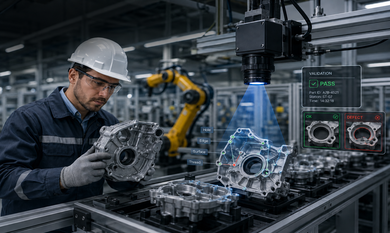
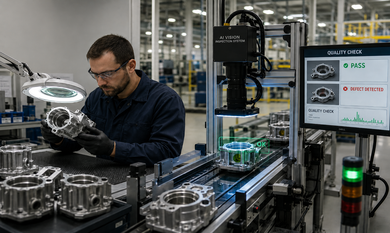
A machine health monitoring system helps teams track these signals continuously. For example, if spindle vibration increases over time, it may indicate bearing wear or imbalance. If temperature rises during normal operations, it may point to friction, overload, or cooling issues.
This is where predictive maintenance for CNC machines becomes valuable. It helps maintenance teams move from reacting after failure to identifying risk before the machine stops.
Why Calendar-Based Maintenance Alone Is Not Enough
Preventive maintenance is still important. Regular inspections, lubrication, calibration, and part replacement help keep CNC machines in working condition. But calendar-based maintenance has limits.
A machine running two shifts under heavy load may need attention earlier than a machine running only a few hours a day. Another machine may still be healthy when its scheduled maintenance date arrives. This means calendar-based maintenance can sometimes lead to either late intervention or unnecessary maintenance.
IoT predictive maintenance solutions add a condition-based layer to maintenance planning. Instead of depending only on time intervals, manufacturers can use real machine data to understand equipment health. This does not replace maintenance teams. It gives them better visibility so they can prioritize work based on actual risk.
For Chicago-based production teams, this approach can help reduce guesswork and improve maintenance planning across busy shop-floor environments.
The IoT Case for Fixing CNC Downtime
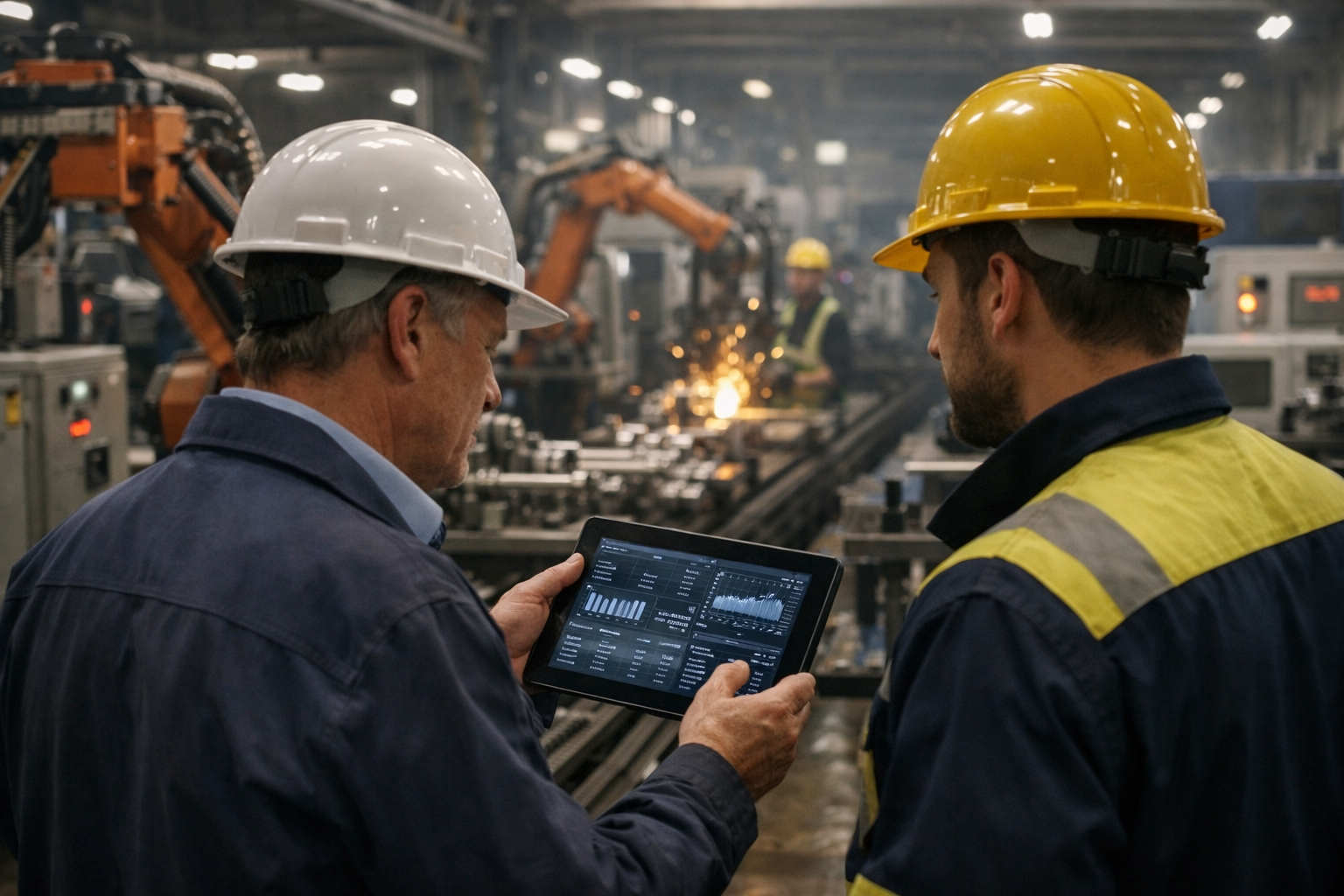
A connected machine strategy helps manufacturers turn disconnected equipment into data-driven production assets. Instead of waiting for a breakdown, teams can monitor machine behavior and respond to warning signs earlier.
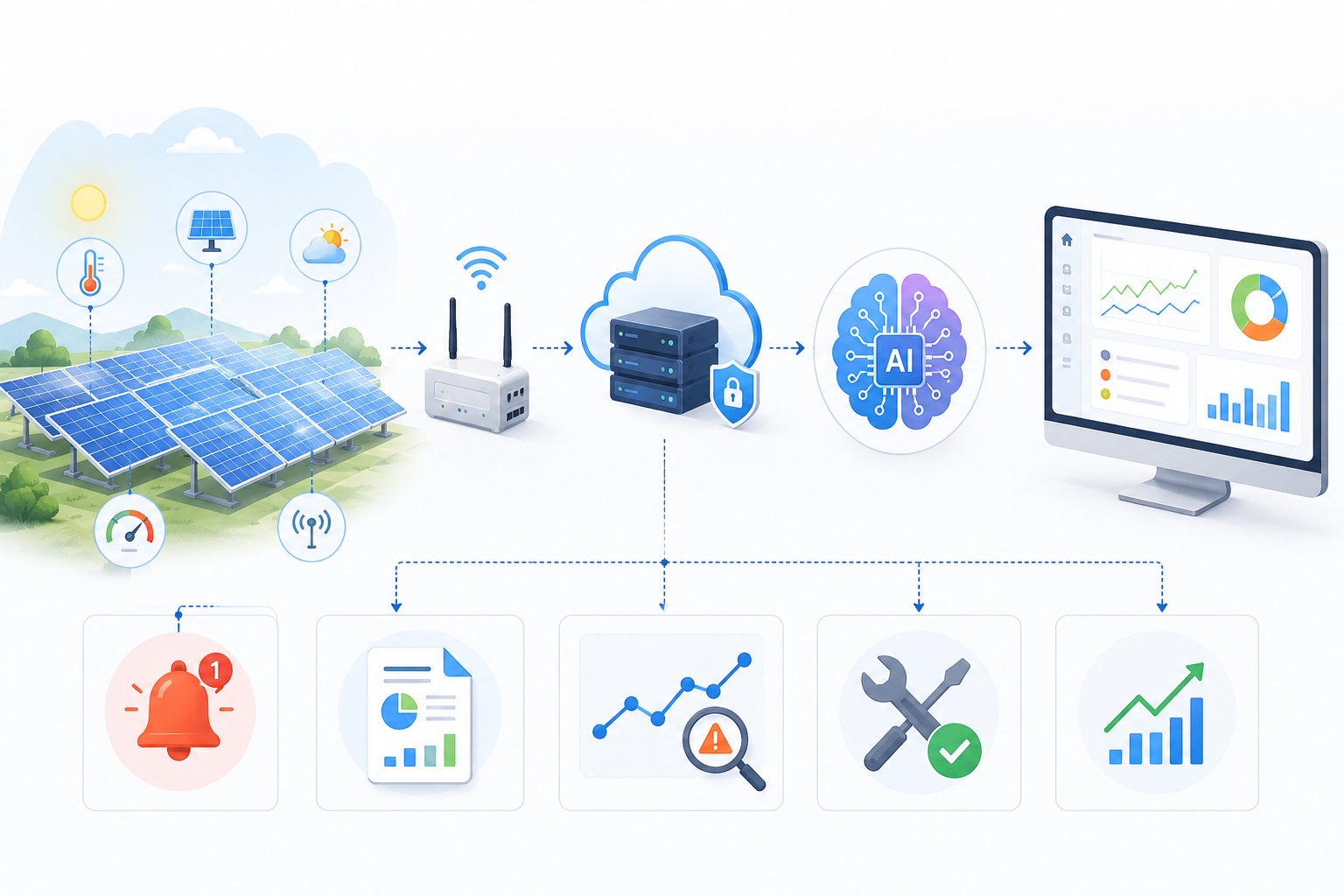
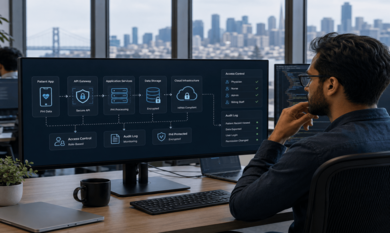
In a CNC environment, the process usually works like this:
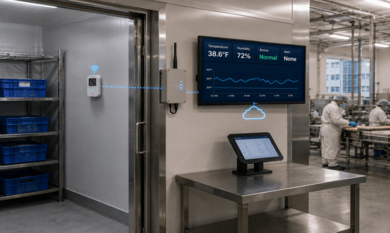
- Sensors collect machine data such as vibration, temperature, spindle load, power usage, and cycle time.
- IoT gateways transfer this data from machines to a connected platform.
- Cloud systems store and process machine data.
- Dashboards show real-time machine health and performance.
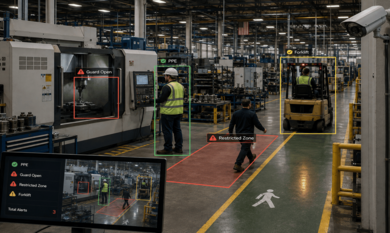
- Alerts notify maintenance teams when abnormal patterns appear.
- Teams take action before the issue becomes a major breakdown.
This is the practical value of industrial IoT solutions. They help manufacturers connect equipment, monitor machine conditions, and make maintenance decisions using data instead of assumptions.
The goal is not to promise zero downtime. No system can honestly guarantee that. The goal is to reduce avoidable downtime, improve response time, and support better production reliability.
What Machine Data Should Be Tracked First?
CNC manufacturers do not need to track everything on day one. A focused pilot can begin with the most useful signals from critical machines. The right data depends on machine type, production load, controller access, and failure history.
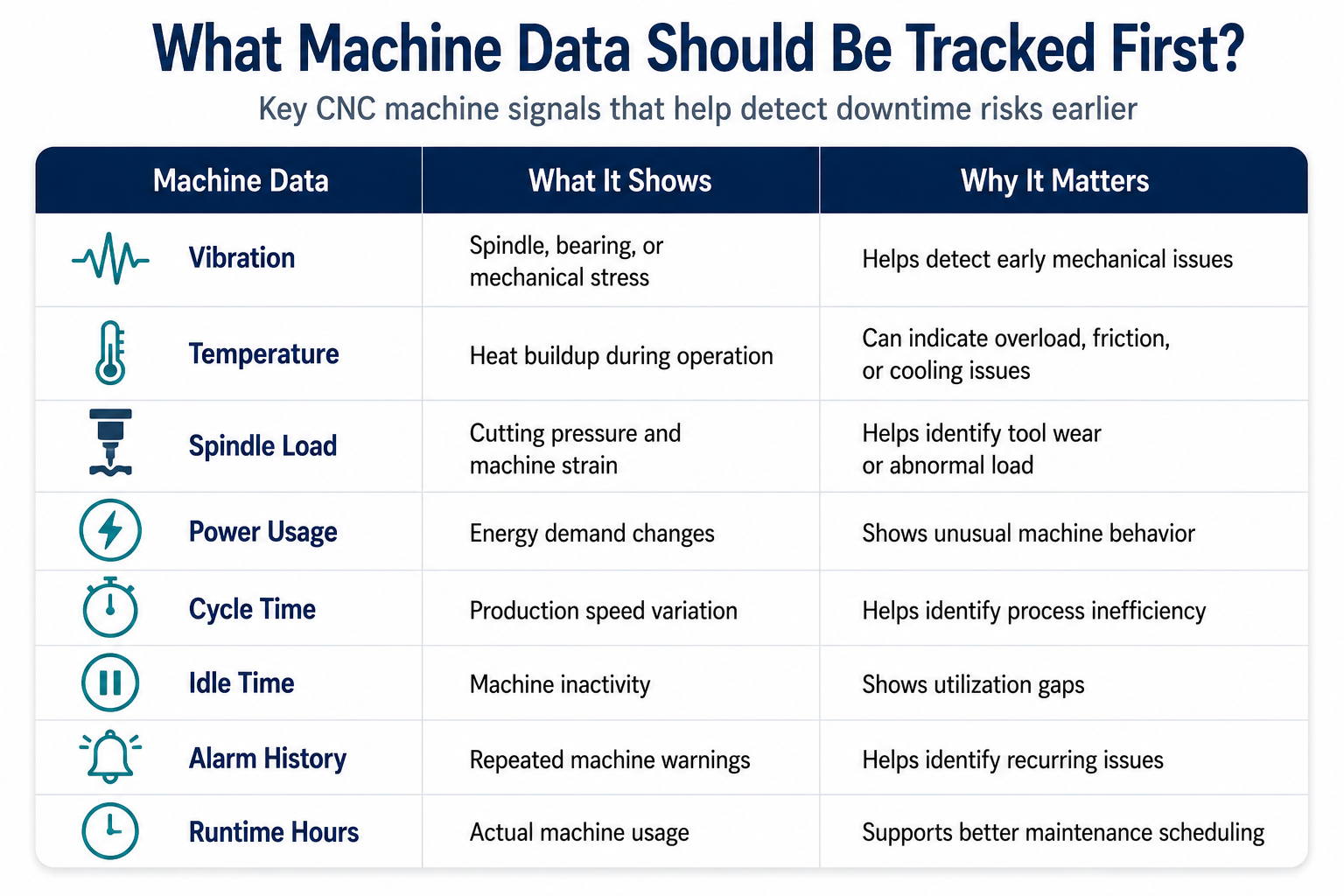
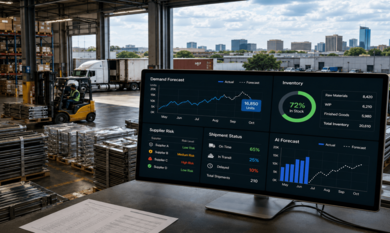
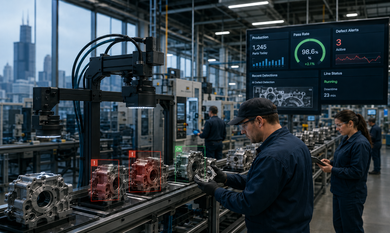
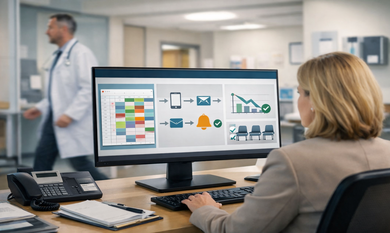
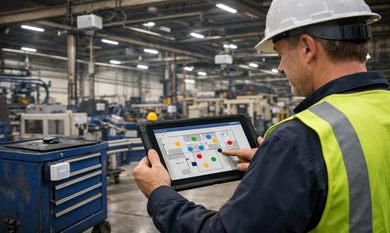
A cloud-based IoT dashboard can bring this data into one view for plant managers, maintenance teams, and operations leaders. Instead of searching through manual logs, teams can see machine status, alerts, trends, and maintenance history in a structured way.
Remote Monitoring Across CNC, Packaging Machines, and Robotics
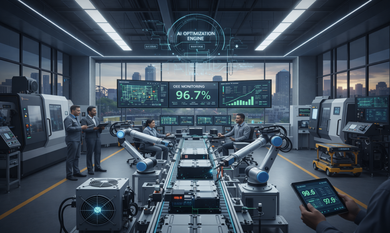
Although this blog focuses on CNC manufacturers, the same IoT approach can support other industrial machinery systems. Many Chicago manufacturers also work with packaging machines, robotics, conveyors, and automated production equipment.
Remote machine monitoring can support:
- CNC machines through spindle, vibration, temperature, and cycle-time tracking
- Packaging machines through motor health, jam alerts, speed variation, and downtime reports
- Robotics systems through servo motor monitoring, movement patterns, and load analysis
- Production lines through machine status, alerts, and utilization tracking
This wider monitoring approach is useful for manufacturers that want visibility across different equipment types. It also helps operations leaders understand whether downtime is caused by one machine, one process, or a larger production bottleneck.
A Practical IoT Adoption Path for Chicago CNC Manufacturers
IoT adoption does not need to begin with a full factory-wide rollout. For many manufacturers, the best approach is to start small, prove value, and scale gradually.
A practical roadmap can include:
- Identify machines with the highest downtime impact.
- Review maintenance logs, downtime history, and recurring failures.
- Select important data points such as vibration, temperature, spindle load, and power usage.
- Connect machines through IoT sensors and gateways.
- Build a dashboard for live machine status and health trends.
- Configure alerts for abnormal patterns.
- Connect maintenance workflows with ERP, MES, or CMMS systems if needed.
- Track KPIs such as downtime hours, repair cost, and machine utilization.
This approach keeps industrial IoT adoption practical and easier to scale. It also helps decision-makers see early value before expanding the system across more machines, lines, or facilities.
When Downtime Reduction Becomes a Business Case
The business case for IoT predictive maintenance solutions should be measured through clear operational KPIs. Manufacturers should not only ask, “Did we install sensors?” They should ask, “Did machine visibility improve, did downtime reduce, and did maintenance planning become more reliable?”
Important KPIs include:
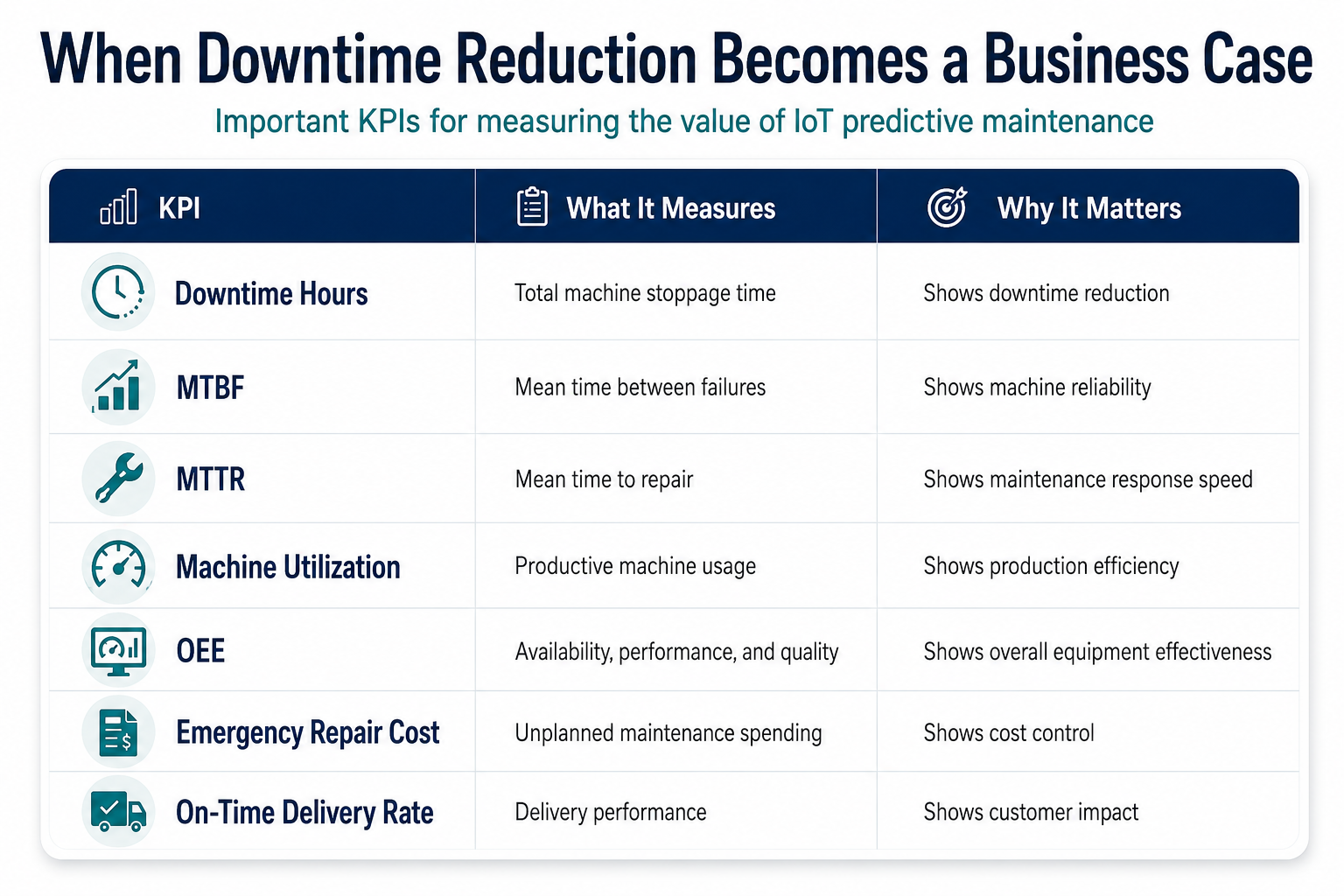
Deloitte’s predictive maintenance research reports average improvements such as higher productivity, fewer breakdowns, and lower maintenance costs. However, these should be treated as industry benchmarks, not guaranteed outcomes. Actual results depend on machine condition, data quality, implementation scope, maintenance workflows, and team adoption.
The strongest ROI comes when downtime reduction protects production output, labor efficiency, and delivery commitments.
Can Older CNC Machines Be Connected Without Full Replacement?
Many manufacturers hesitate because they assume IoT requires new machines. In many cases, that is not true. Older CNC machines can often be assessed for retrofitting with IoT sensors, gateways, and dashboards.
However, feasibility depends on several factors, including machine age, controller access, available signals, sensor compatibility, and the type of data required. Some machines may support deeper integration through PLC or controller data. Others may begin with external IoT sensors for manufacturing equipment, such as vibration, temperature, or power monitoring.
This makes modernization more practical. Manufacturers can improve visibility without replacing every machine immediately.
Why This Matters for Chicago’s Manufacturing Competitiveness
Chicago has a strong industrial base, and many CNC manufacturers support demanding production environments. In such settings, downtime affects more than one work order. It can disrupt production planning, delay customer commitments, and reduce confidence in delivery reliability.
That is why unplanned downtime for CNC manufacturers should be addressed before it becomes a repeated business risk. Better machine visibility helps teams plan maintenance, reduce avoidable stoppages, and make faster decisions when issues appear.
For local CNC operations, IoT is not only a technology upgrade. It is a way to protect production reliability.
Questions CNC Manufacturers Ask Before Investing in IoT
1. How do I calculate CNC machine downtime cost?
A simple way to estimate CNC machine downtime cost is to add lost production value, idle labor cost, emergency repair cost, scrap or rework, overtime, and delivery delay impact.
2. What is the best first machine to connect with IoT?
Start with the machine that has the highest downtime cost, most frequent failure history, or strongest impact on customer delivery. A focused pilot is better than connecting every machine without a clear goal.
3. Do CNC manufacturers need AI from the beginning?
Not always. Many manufacturers can start with sensor tracking, threshold alerts, and dashboards. Predictive analytics and AI can be added later when enough reliable machine data is available.
4. Can IoT predictive maintenance prevent every breakdown?
No. IoT predictive maintenance solutions can reduce risk and improve early detection, but they cannot guarantee zero downtime. A realistic goal is fewer unexpected failures and faster maintenance response.
5. What data is most useful for CNC predictive maintenance?
Useful data includes vibration, temperature, spindle load, power usage, cycle time, idle time, alarm history, runtime hours, and maintenance history.
6. Is IoT useful for small and mid-sized CNC manufacturers?
Yes, if it starts with a practical use case. Small and mid-sized manufacturers can begin with remote machine monitoring for critical machines and expand after proving value.
Conclusion
Unplanned downtime for CNC manufacturers is not just a machine issue. It affects production output, labor planning, repair costs, delivery schedules, and customer trust. For CNC manufacturers in Chicago, these losses can become a serious barrier to growth and competitiveness.
IoT product transformation gives manufacturers a practical path forward. By connecting machines, tracking equipment health, creating alerts, and using predictive maintenance for CNC machines, teams can act earlier and make better maintenance decisions.
The strongest results come from starting with critical machines, tracking the right data, and building a clear roadmap for manufacturing downtime reduction.
Build Connected Machine Monitoring with Theta Technolabs
Theta Technolabs helps manufacturing and industrial machinery businesses build IoT product transformation solutions for connected equipment, remote monitoring dashboards, predictive maintenance systems, cloud platforms, and data-driven machine visibility.
Our team supports Web, Mobile, and Cloud development for industrial IoT solutions that help businesses improve operational visibility and maintenance planning.
To discuss your IoT monitoring or predictive maintenance project, contact Theta Technolabs at sales@thetatechnolabs.com.






















.png)





.png)






















.png)

























.png)



.png)



.png)