

In auto component manufacturing, a small assembly mistake can create a much larger quality problem later. A missing clip, loose connector, wrong fastener, incorrect bracket position, or skipped fitting step may look minor during production, but it can lead to rework, scrap, delayed dispatch, OEM rejection, warranty claims, and customer complaints.
For auto component manufacturers in Chicago, quality consistency is especially important because suppliers often work under strict delivery timelines and customer expectations. When assembly errors in auto components are detected late, the cost of correction becomes higher.
Common business impacts include:
- Rework and repeated inspection
- Higher scrap and material waste
- Slower production flow
- Missed delivery timelines
- Reduced first-pass yield
- Quality audit pressure
- Warranty and rejection risk
This is where AI-based assembly validation can support production and quality teams by helping them detect issues earlier in the assembly workflow.
Where Assembly Errors Usually Happen on Auto Component Lines
Assembly errors do not always happen because of poor process control. Many times, they happen because production lines are fast, components look similar, inspection steps are repetitive, and operators need to check several small details within limited time.
In auto component manufacturing, errors are common around fasteners, seals, clips, brackets, wiring connectors, plastic parts, metal parts, labels, and barcodes. If the same line handles different variants, the risk of using the wrong part or placing it in the wrong direction can increase.
Missing Parts and Skipped Components
Missing part detection is useful when small but important parts are easy to overlook. These may include bolts, washers, clips, caps, seals, pins, or small brackets. If one of these parts is missing and the component moves to the next stage, the issue may only be found during final inspection or after delivery.
Wrong Fittings, Wrong Orientation, and Variant Mix-Ups
Wrong fitting detection helps identify parts installed in the wrong slot, wrong direction, wrong side, or wrong angle. Similar-looking component variants can also create confusion, especially when multiple product versions move through the same line.
What AI-Based Assembly Validation Actually Checks
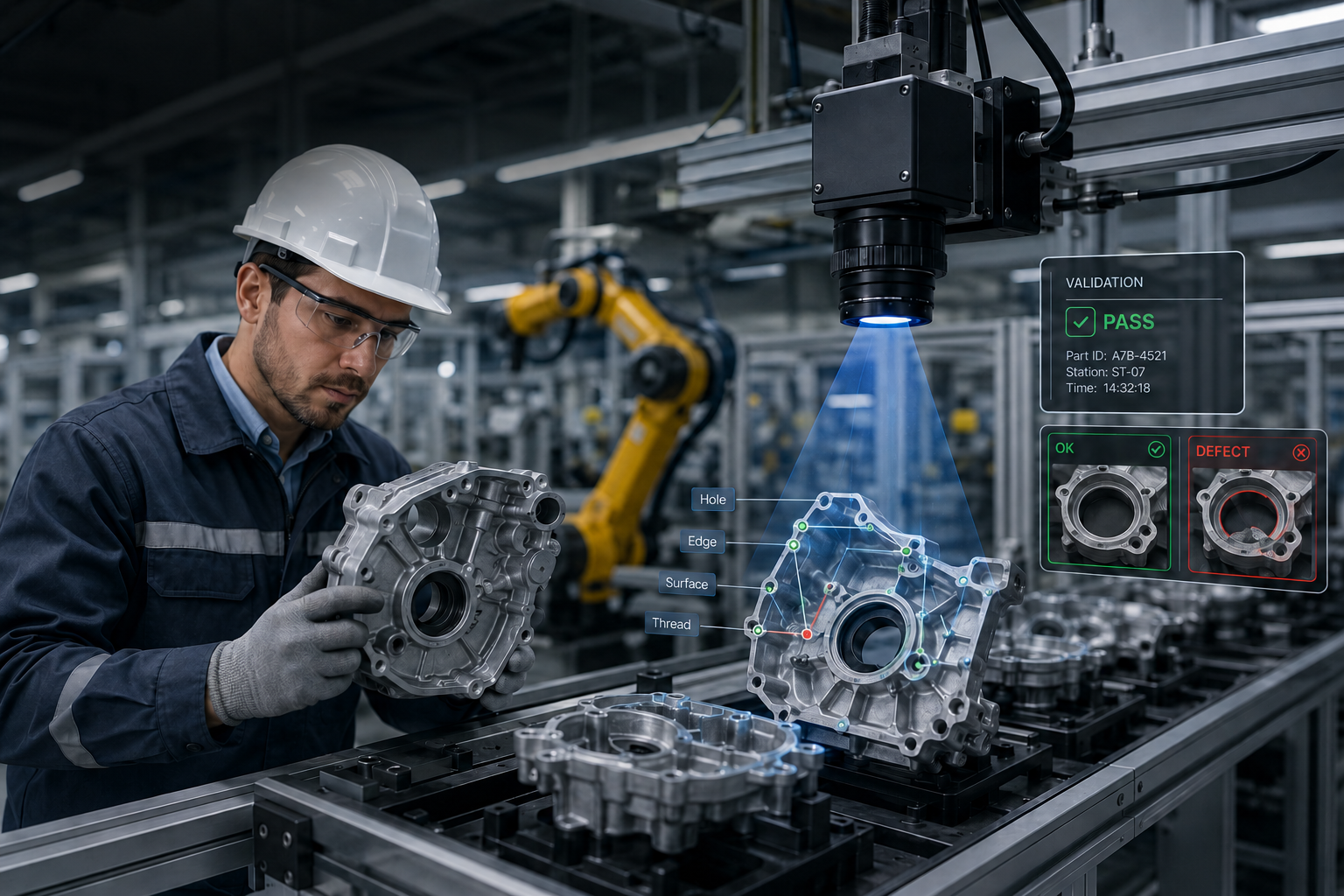
AI-based assembly validation does not simply check whether a part “looks fine.” It checks defined visual conditions based on approved assembly standards. This makes computer vision for quality inspection useful for repeatable validation tasks.
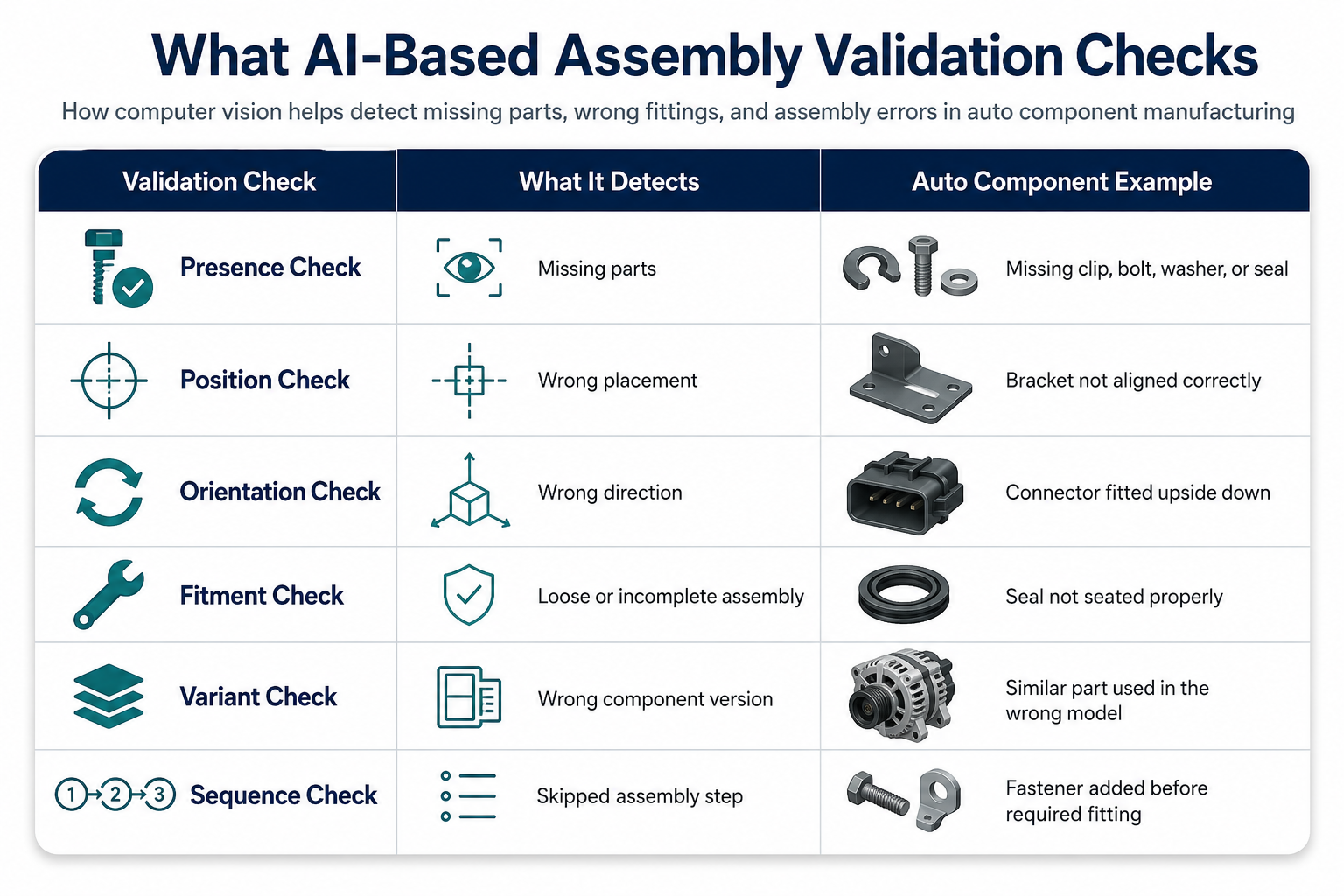
Automated assembly validation is most useful when the inspection requirement is visual, repeatable, and important for quality control.
How the Validation Workflow Works from Camera Capture to Operator Alert
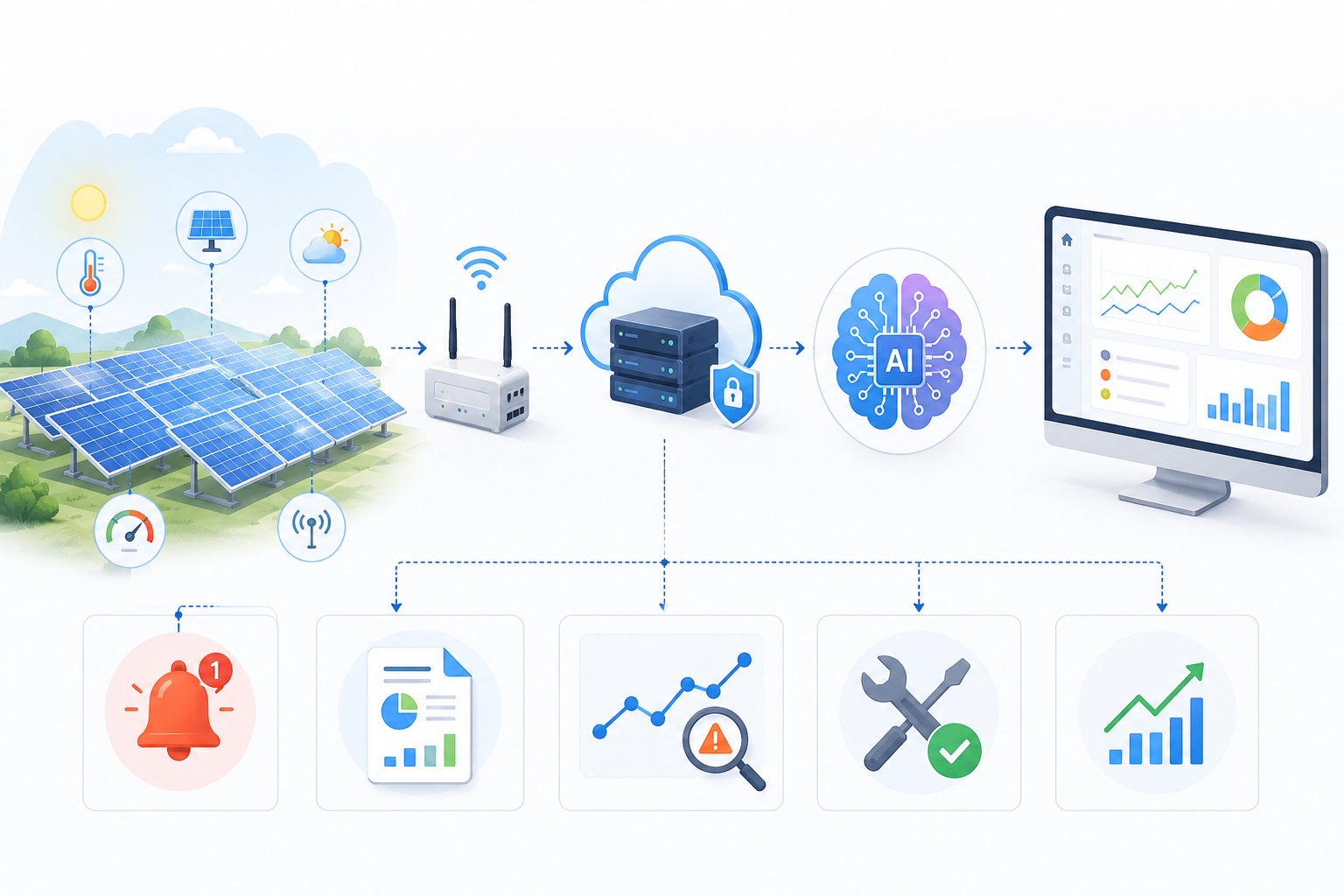
An AI visual inspection system works as a quality-control layer on the production line. It captures visual data, checks it against expected patterns, and alerts operators when the assembly does not match the required condition.
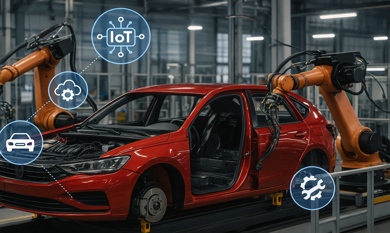
The workflow below shows how AI-based assembly validation moves from assembly-line inspection to camera capture, AI checking, operator alerts, quality dashboards, and factory system integration.
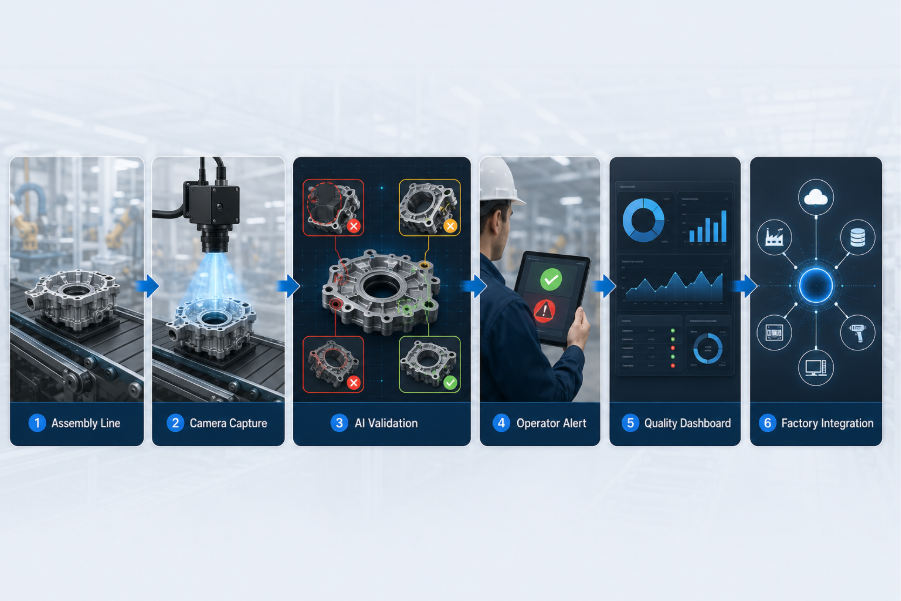
Figure: AI-Based Assembly Validation Workflow for Auto Component Manufacturing
A typical workflow looks like this:
- An industrial camera captures an image or video at the inspection point.
- Lighting is adjusted so the part is clearly visible.
- The image is processed by a computer vision model.
- The AI model compares the current assembly with approved reference patterns.
- The system checks for missing parts, wrong fittings, incorrect orientation, or placement errors.
- The operator receives a pass/fail result or alert.
- Defect data is stored in a quality dashboard.
- Quality teams review recurring patterns and line-level issues.
- The system can connect with MES, ERP, PLCs, barcode scanners, or cloud reporting tools.
Research on AI and computer vision-based real-time quality control shows that computer vision, machine learning, and artificial vision methods are increasingly used in industrial quality control workflows. This supports the growing role of AI inspection where manufacturers need speed, consistency, and better visibility. Read more
A custom system may require AI development services to build inspection logic, train the visual model, and connect alerts with production workflows.
Manual Inspection vs AI-Supported Assembly Validation
Manual inspection is still important in manufacturing. Quality inspectors bring process knowledge, judgment, and practical experience that technology cannot fully replace. However, manual inspection can become difficult when the same visual checks are repeated hundreds or thousands of times in a shift.
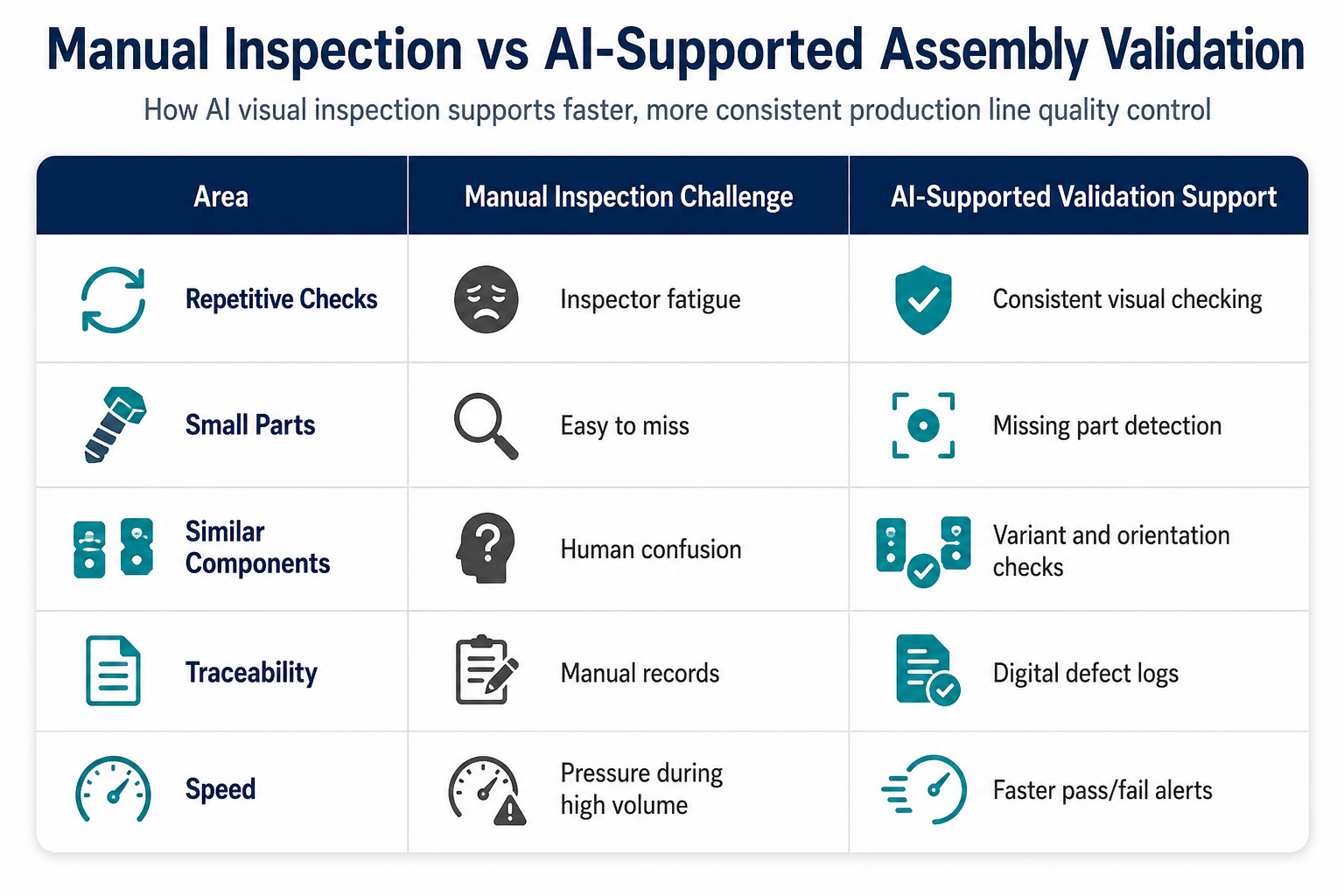
An AI visual inspection system should be viewed as support for production line quality control, not as a full replacement for human quality teams. It helps inspectors focus on review, root-cause analysis, and process improvement.
Why Auto Component Manufacturers Need Custom Computer Vision Development
Generic inspection tools may not fit every auto component line. Each manufacturer has different product shapes, line layouts, camera angles, lighting conditions, materials, surface finishes, production speed, defect definitions, and integration needs.
For example, a system checking wiring connectors may need a different camera setup than a system checking metal brackets or plastic molded parts. A line that handles multiple product variants may also need custom validation logic.
This is where custom computer vision development services become useful. The inspection model, camera setup, and validation rules can be designed around the actual production environment instead of forcing the manufacturer to adjust its process around a generic tool.
For AI-based assembly validation to work well, it should reflect real factory conditions, not only controlled demo conditions.
How This Fits into Existing Factory Systems
AI-based assembly validation should not work in isolation. To create practical value, it should connect with the systems already used in production and quality management.
Useful integrations may include:
- MES for production tracking
- ERP for batch and order data
- PLC systems for machine-level signals
- Barcode scanners for part identification
- Operator screens for real-time alerts
- Quality dashboards for defect trends
- Cloud reporting for management visibility
- Audit records for traceability
- Serial number tracking for component history
These integrations help quality teams understand where errors happen, how often they occur, and which product variants or line conditions create the most issues. This improves production line quality control and supports better root-cause analysis.
From First Inspection Point to Scalable AI Validation
For Chicago auto component manufacturers, the safest way to start is not by automating every inspection point at once. A focused pilot gives the team a better understanding of technical feasibility, data quality, model performance, and operator adoption.
Step 1: Select One High-Risk Assembly Checkpoint
Start with one inspection point where errors create high rework, repeated rejection, or customer complaints. This could be a connector check, bracket placement, seal fitting, clip presence, or final assembly validation point.
Step 2: Capture Real Production Images
Collect images of correct assemblies and known defects under real line conditions. Include different lighting, angles, operators, part variations, and acceptable product differences.
Step 3: Train and Test the AI Model
During the pilot, machine learning services can help train and improve the model using real production images, defect categories, and feedback from quality teams.
Step 4: Connect Alerts, Dashboards, and Reports
The system should show clear alerts to operators and provide dashboards for quality managers. This helps both immediate action and long-term defect analysis.
Step 5: Measure Results Before Scaling
Before scaling automated assembly validation across more lines, review false positives, missed defects, inspection speed, rework trends, and team adoption.
Custom Computer Vision Support for Assembly Validation
Theta Technolabs can support manufacturers with computer vision development services in Chicago by helping design custom AI inspection workflows for real production environments. This can include computer vision model development, image processing, edge AI integration, quality dashboards, backend systems, operator alert interfaces, and manufacturing workflow automation.
For auto component manufacturers, the value is not only in detecting defects. The real value is in building a system that fits the production line, connects with existing tools, and gives quality teams useful data for better decisions.
With the right mix of AI models, industrial camera setup, production data integration, and real-time inspection dashboards, manufacturers can move from manual checks to smarter, data-supported assembly validation workflows.
Conclusion
Small assembly errors can create serious quality and cost challenges in auto component manufacturing. A missing part, wrong fitting, incorrect orientation, or skipped assembly step can affect production flow, inspection accuracy, and final product quality.
AI-based assembly validation helps manufacturers identify these issues earlier in the workflow. By using computer vision, real-time alerts, digital records, and production visibility, quality teams can reduce manual inspection pressure and make better decisions.
For manufacturers planning to modernize inspection, the goal is not to replace people completely. The goal is to support them with smarter tools that make assembly validation more consistent, traceable, and practical.
Build a Smarter Assembly Validation System with Theta Technolabs
Looking to reduce assembly errors with a custom AI visual inspection system? Theta Technolabs can help auto component manufacturers design computer vision development services for assembly validation, quality dashboards, backend workflows, and cloud-based reporting. To discuss your project requirements, contact sales@thetatechnolabs.com.
Frequently Asked Questions
1. What is AI-based assembly validation in auto component manufacturing?
AI-based assembly validation uses cameras, computer vision, and AI models to check whether components are present, correctly positioned, and assembled according to defined quality rules.
2. Can computer vision detect missing parts in automotive assemblies?
Yes. Computer vision can support missing part detection by comparing production images with trained examples or approved reference patterns. Accuracy depends on image quality, lighting, data quality, and model training.
3. How does AI detect wrong fittings or incorrect orientation?
AI models can identify visual differences in part position, angle, direction, and placement when trained on correct and incorrect assembly examples.
4. Can AI-based assembly validation work with existing production lines?
In many cases, yes. A system can be added using cameras, lighting, edge devices, operator alerts, dashboards, and integrations with MES, ERP, PLC, or barcode systems. A pilot project is usually the safest starting point.
5. Why should Chicago auto component manufacturers consider computer vision inspection?
Chicago manufacturers may need stronger inspection consistency, better traceability, reduced rework risk, and faster quality visibility. For manufacturers in Chicago, custom computer vision development services can help build inspection workflows around real production-line conditions.





















.png)
.png)





.png)

.png)
.png)
.png)


.png)
.png)
.png)
.png)

.png)










.png)





_How%20Cloud%20Solutions%20Are%20Enhancing%20Remote%20Patient%20Monitoring%20in%20Healthcare_Q4_25.jpg)
_Streamlining%20Appointment%20Scheduling%20with%20Cloud%20Computing%20in%20Dallas%20Healthcare_Q4_25.jpg)
_The%20Impact%20of%20Cross-Platform%20Apps%20on%20Real%20Estate%20Market%20Trends%20in%20Dallas_Q3_24-1.jpg)
_How%20AI%20is%20Enhancing%20Construction%20Site%20Surveillance%20and%20Security%20in%20Dallas_Q3_24-1.jpg)
_Web%20Apps%20for%20Retail%20and%20eCommerce_%20Streamlining%20Operations%20and%20Reducing%20Costs_Q3_24.jpg)
_Enhancing%20Driver%20Safety%20and%20Compliance%20with%20Web%20Apps%20in%20the%20Logistics%20Sector_Q3_24.jpg)


_Integrating%20Chatbots%20Into%20Your%20Application.jpg)
_How%20much%20does%20it%20cost%20to%20create%20an%20android%20app%20in%202024%20for%20Startups_%20A%20detailed%20guide_Q2_24.jpg)
_Key%20Trends%20in%20Healthcare%20Software%20Development%20for%20the%20Future_Q2_24.jpg)