

Anyone who has sat through a quarter-end reporting cycle at an asset management firm knows the drill. Data gets pulled from three or four different systems, someone reconciles it by hand, a compliance officer double-checks the numbers against the last filing, and the whole thing gets stitched together under a deadline that never feels far enough away. It works, but it's slow, it's expensive, and it leaves very little room for the kind of judgment-heavy work compliance teams are actually trained to do.
That's the real problem. The fix that's gaining traction isn't a new spreadsheet template or another compliance hire — it's AI compliance reporting systems that pull the data together, draft the report, and flag anything that looks off before a human ever has to dig for it. This isn't about replacing compliance officers. It's about giving them their time back for the parts of the job that actually need a person.
In this blog, we'll talk about what's making compliance reporting harder for asset managers right now, what AI genuinely does well in this space (and where it still needs a human in the loop), and a realistic way for a lean compliance team to start using it without betting the farm on day one.
Why compliance reporting is getting harder and it's not just a Boston problem
Boston's asset management scene has its own pressure points. The State Street financial district alone manages trillions in assets, and the city's dense cluster of RIAs and hedge funds means smaller firms are competing for talent and technology budget against much larger neighbors. But this isn't a Boston asset management firms-only headache. Ask a compliance lead in Chicago, Charlotte, or anywhere with a meaningful concentration of registered investment advisers, and you'll hear the same complaints.
Regulatory filing volume keeps climbing. Data lives in trading systems, fund administrators, and separate accounting platforms that were never designed to talk to each other. And most firms Boston-based or otherwise run compliance with a fraction of the headcount you'd expect given the stakes. A missed deadline or a sloppy filing doesn't just cost time; it invites regulatory scrutiny that can follow a firm for years.
So while the details shift by city and firm size, the underlying pattern is consistent across fintech and asset management broadly: more reporting obligations, more fragmented data, and not enough people to manually stitch it all together every cycle.
What AI actually does in compliance reporting no marketing gloss
Strip away the vendor buzzwords and AI's role in compliance reporting comes down to three concrete jobs.
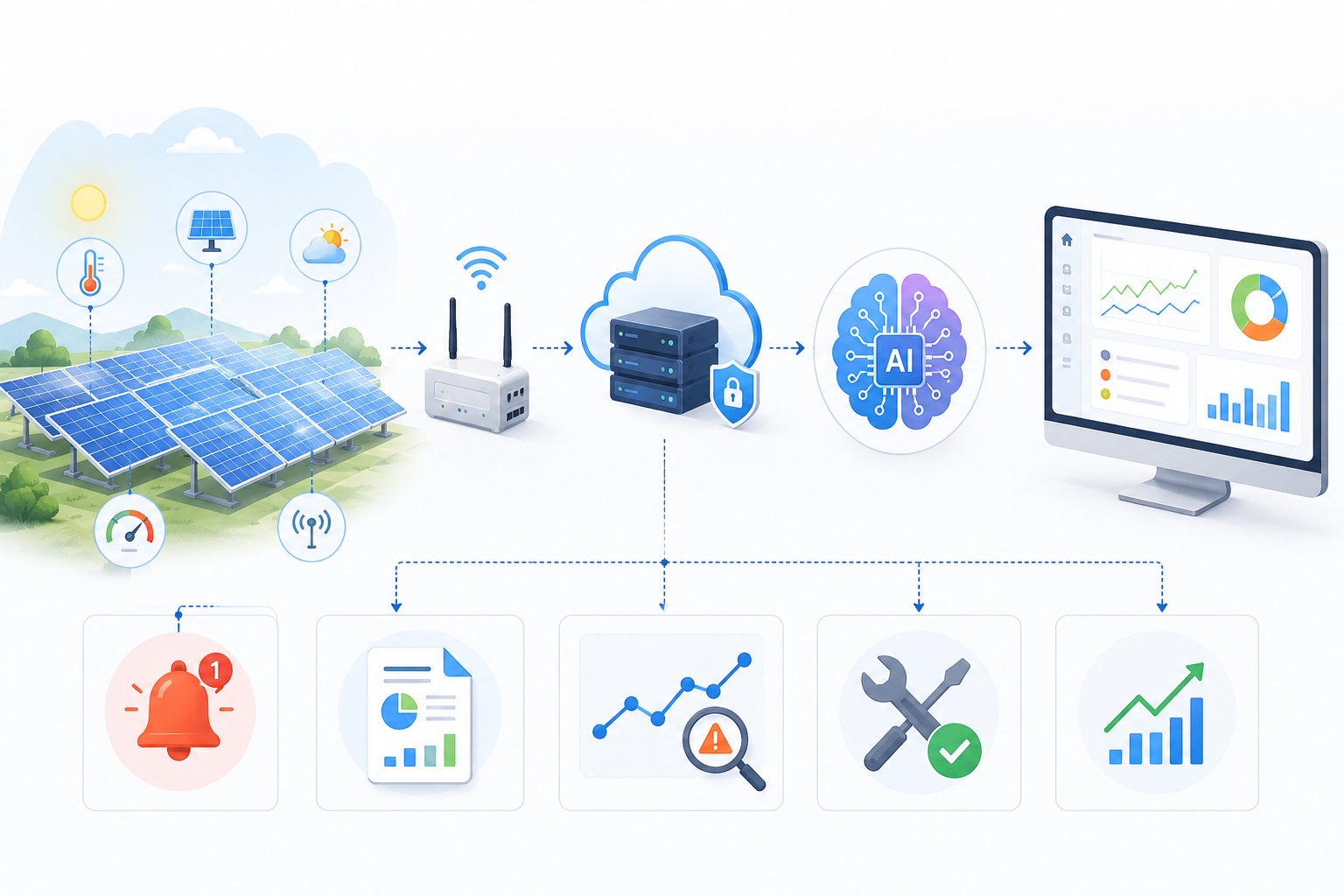
Data aggregation and reconciliation. Instead of an analyst manually pulling numbers from a trading system, a fund administrator's portal, and an internal accounting tool, a well-built compliance reporting automation pipeline extracts and reconciles that data automatically, flagging mismatches instead of hiding them in a spreadsheet.
Automated report drafting. Once the data is clean, the system can assemble a first-pass draft of the filing itself populating the standard sections, applying the right calculations for metrics like AUM, leverage, or concentration risk so a human reviewer starts from a near-complete document instead of a blank one.
Exception and anomaly flagging. This is where AI-driven audit trails earn their keep. The system watches for patterns that don't match historical norms -an unusual trade cluster, a filing figure that's drifted from prior quarters and surfaces it before submission rather than after an examiner asks about it.
Industry research backs up this direction. EY's analysis of automation in wealth and asset management points to a clear shift toward predictive analytics and AI-driven tools as firms move away from purely manual, backward-looking compliance processes. That's the direction the industry is already heading this isn't a someday technology.
This is the core of what compliance reporting automation and regulatory reporting automation mean in practice: less manual assembly, more machine-assisted accuracy, faster turnaround on SEC and FINRA reporting.
Where AI needs a human in the room
Here's the part a lot of vendor content skips over, and it's worth saying plainly: AI does not eliminate compliance risk. It reduces the manual burden and catches things a tired analyst might miss at 11 p.m. before a deadline, but it doesn't understand regulatory nuance the way a seasoned compliance officer does.
Drafting a Suspicious Activity Report, interpreting an ambiguous rule of change, or deciding how to characterize a borderline transaction those still need a person who understands the firm's specific risk of posture and the regulator's expectations. Good AI in wealth management operations treats the model as a drafting and flagging assistant, not a decision-maker. Any firm implementing this kind of compliance risk management software should build in a review checkpoint before anything goes out the door. Skipping that step is how automation turns into a new liability instead of a fix for an old one.
A realistic way to start especially for smaller teams
You don't need to overhaul your entire compliance stack to see value here, and frankly, trying to do that on day one is how these projects stall out. A more workable path looks like this:
- Audit where the manual bottleneck actually is. Most firms already know which report eats the most hours each cycle — start there, not with the whole reporting calendar.
- Pilot AI on one recurring filing. Pick a single, well-understood report type and automate the data pull and draft generation for it. Keep the scope narrow enough that you can evaluate it honestly.
- Build the human review checkpoint into the workflow from the start, not as an afterthought once something goes wrong.
- Scale gradually to additional report types once the first pilot has proven itself over a few cycles.
This approach matters most for the boutique and mid-size firms that make up a good share of Boston's asset management landscape firms that don't have the budget for a full compliance technology overhaul but still carry the same regulatory obligations as their larger neighbors. Getting the right asset management compliance technology in place doesn't require a massive team; it requires AI development services that understand how to scope a pilot correctly and integrate it with the systems you already run.
The upside goes beyond the compliance calendar
Once the data pipeline behind compliance reporting is cleaner, the benefits tend to show up elsewhere too — faster audit prep, better data hygiene across the firm's broader operations, and analysts spending less time on reconciliation and more time on actual portfolio work. It's a pattern we've seen across fintech AI solutions generally: fixing one high-friction, data-heavy process usually improves the systems around it as a side effect, not just the process itself.
How This Works With Existing Technology
Under the hood, this kind of system typically leans on a combination of technologies rather than one single tool. Large language models handle the drafting and document assembly work. Machine learning models sit underneath the anomaly detection, learning what normal looks like for a given firm's filings over time. And a solid cloud infrastructure layer ties the data sources together securely, which matters a great deal in a regulated environment where audit trails and data security aren't optional. None of these pieces work well in isolation — the value comes from how they're integrated with a firm's existing trading and accounting systems.
Getting started
If you're running compliance for a Boston asset management firm and the reporting cycle is eating more time than it should, the honest first step is a small pilot, not a full platform rebuild. Figure out which automated regulatory filings cost you the most manual hours, test AI-assisted drafting on that one report, and see what it actually saves before committing further. That's a scoping conversation worth having before anything else, and it's the kind of conversation the team at Theta Technolabs has with compliance leads regularly. If you want to talk through what a focused pilot could look like for your firm, reach out at sales@thetatechnolabs.com.
Frequently Asked Questions
How does AI help with SEC and FINRA compliance reporting?
AI handles the repetitive parts pulling data from trading and accounting systems, drafting the report, and flagging inconsistencies before submission so compliance officers spend less time on manual assembly and more time reviewing what actually needs judgment.
Is AI compliance automation only for large asset management firms?
No. Smaller and boutique firms often benefit the most, since they typically run lean compliance teams. Starting with a single report type keeps the investment manageable while still reducing manual workload.
What's the risk of relying on AI for regulatory filings?
The main risk is treating AI output as final without human review. AI is strong at data aggregation and drafting, but a compliance officer still needs to sign off on anything that involves regulatory judgment.
How long does it take to implement AI compliance reporting tools?
It depends on scope, but a focused pilot on one recurring report type can typically be evaluated within a few reporting cycles, rather than requiring a firm-wide rollout upfront.


.png)



.png)



























.png)
.png)






.png)

.png)
.png)
.png)


.png)
.png)
.png)
.png)

.png)











.png)