Recovering at home should feel safe, supported, and reassuring. In a fast-moving city like Los Angeles, ensuring that level of confidence can sometimes be challenging without the right monitoring systems in place.
Patients are discharged from leading hospitals with detailed instructions, medications, and follow-up dates. Yet once they return home, a critical gap begins. Symptoms can change between appointments. Small warning signs may be missed. Families may not know whether a fluctuation is normal or serious. Driving across the city for reassurance is not always practical, especially in heavy traffic or late at night.
These post-discharge blind spots create risk for both families and providers. Readmissions increase. Anxiety rises. Clinicians rely on periodic updates instead of continuous insight.
The solution is not more paperwork or more frequent in-person visits. It is smarter visibility.
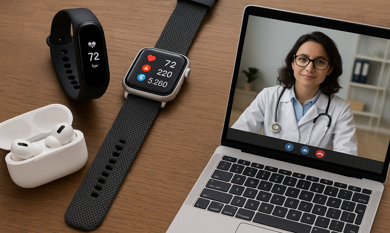
Through Remote patient monitoring Los Angeles programs powered by IoT and Bluetooth Low Energy, healthcare providers can extend clinical oversight directly into the patient’s home. BLE-enabled wearables, smart sensors, and secure cloud platforms allow vitals to be tracked in real time. Alerts can be generated before a complication escalates. Data can move seamlessly into Electronic Health Records using standardized protocols.
This blog explores how IoT and BLE systems can be implemented in Los Angeles, how families experience the technology, how seniors benefit from connected monitoring, and how providers can build secure, compliant infrastructures that close the recovery gap in 2026.
A Realistic Scenario
Imagine a 62-year-old patient in Santa Monica recovering from a cardiac procedure.
In the past, recovery meant periodic in-clinic ECG checks, manual blood pressure tracking, and hoping symptoms were reported accurately. But traffic, scheduling delays, and human error often created gaps.
Now consider a different setup.
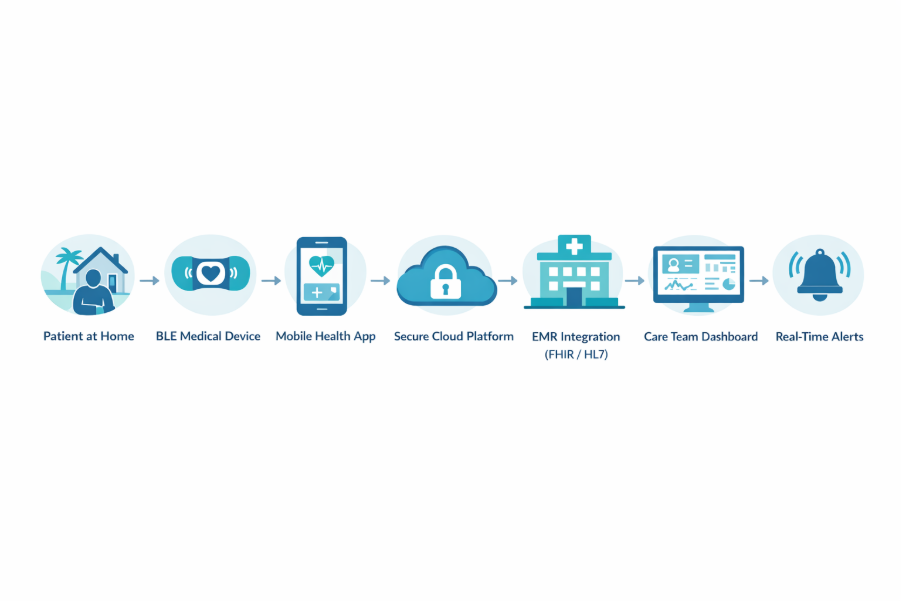
The patient wears a lightweight BLE-enabled chest patch. It continuously tracks heart rhythm and connects to a secure home gateway through Bluetooth Low Energy. Data flows to a cloud platform integrated with the hospital’s EMR using FHIR and HL7 standards.
If an irregular rhythm is detected, an alert is triggered instantly. The care team is notified in real time. Instead of sitting in traffic on the 405, the patient receives a call within minutes.
This is the promise of secure home health monitoring for LA families. It is proactive, not reactive.
How BLE Sensors Work in Home Recovery
Bluetooth Low Energy, or BLE, is designed for minimal power consumption. That makes it ideal for Bluetooth medical devices for home use.
Here is how implementation typically works:
- Device Layer
Wearables or sensors collect vitals such as heart rate, glucose levels, oxygen saturation, and movement patterns.
- BLE Communication
The device transmits data securely to a smartphone or home hub using encrypted BLE protocols.
- Cloud Integration
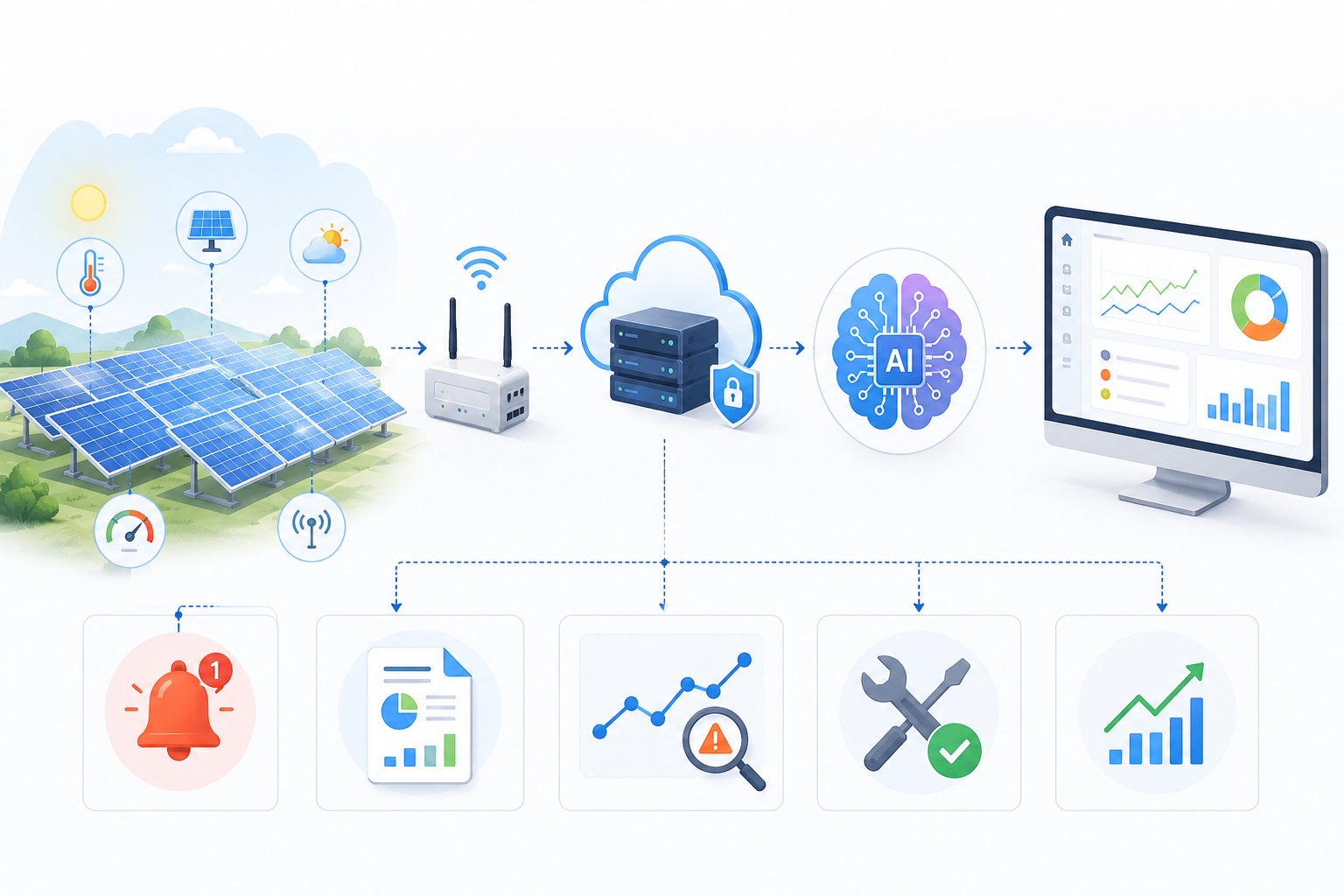
Data is sent to AWS-based infrastructure or integrated with platforms such as Philips Healthcare systems. These ecosystems already manage millions of endpoints globally, ensuring scalability.
- EMR Synchronization
Through FHIR and HL7 interoperability standards, patient data is mapped directly into Electronic Health Records. Physicians do not need separate dashboards.
- Clinical Alerts
Threshold-based and AI-assisted monitoring flags anomalies for review.
Healthcare providers looking to implement scalable remote monitoring ecosystems often partner with teams specializing in comprehensive healthcare IoT development services, ensuring device integration, compliance, and long-term infrastructure stability across Web, Mobile, and Cloud environments.
For providers exploring the Best IoT devices for recovering from surgery at home in Los Angeles, the key is not just the sensor. It is the entire ecosystem that connects device, app, cloud, and EMR securely.
Benefits for Seniors and Chronic Care Patients
Los Angeles has a growing aging population. For seniors, frequent travel for checkups can be physically exhausting.
With smart health sensors for seniors LA, families gain peace of mind. These may include:
- Fall detection wearables
- Blood pressure cuffs connected via BLE
- Oxygen monitors
- Medication adherence trackers
For example, understanding how to use BLE sensors for glucose tracking is becoming increasingly simple. A patient uses a BLE-enabled glucose monitor. The reading syncs automatically with a mobile app for patient vitals. The data is reviewed remotely by the care team. If levels cross defined thresholds, the patient receives immediate instructions.
In 2026, wearable heart monitors 2026 are thinner, more accurate, and capable of multi-day continuous recording. For cardiac recovery patients, this dramatically reduces complications that go unnoticed.
Technical Setup for Providers in Los Angeles
From a healthcare executive’s perspective, implementation requires more than purchasing devices.
1. Platform Architecture
A scalable setup typically includes:
- AWS cloud infrastructure for high availability
- Zero-Trust network design
- API gateways for device-to-cloud communication
- Integration modules aligned with FHIR and HL7
Given that North America is the largest healthcare IoT market in 2026, and LA remains a visible innovation hub, especially highlighted at events like VIVE 2026, competition is driving rapid modernization.
2. Zero-Trust Security Model
Cyber threats in 2026 are more advanced. Healthcare remains a primary target.
A Zero-Trust architecture assumes no device or user is automatically trusted. Every data packet is verified. Mandatory patching policies ensure that firmware vulnerabilities are addressed quickly.
For families asking about secure home health monitoring for LA families, this is critical. Encryption at rest and in transit, device authentication, and role-based access controls are not optional. They are foundational.
3. Device Lifecycle Management
Managing thousands of endpoints requires:
- Remote firmware updates
- Battery performance monitoring
- Automated device enrollment
- Decommissioning protocols
When done correctly, Connected health device setup Los Angeles programs can scale from 100 patients to 10,000 without infrastructure breakdown.
Why Remote Monitoring Makes Sense in Los Angeles
Los Angeles presents unique challenges:
- High traffic congestion
- Large geographic spread
- Diverse patient demographics
- Busy specialist schedules
By implementing Remote patient monitoring Los Angeles initiatives, providers can:
- Reduce readmission rates
- Shorten hospital stays
- Improve patient satisfaction
- Capture continuous data rather than episodic snapshots
For surgical recovery, cardiac care, diabetes management, and post-orthopedic rehabilitation, remote monitoring fills the visibility gap.
The shift is not about replacing in-person care. It is about enhancing it.
Simplifying Recovery at Home
From a caregiver’s perspective, simplicity matters.
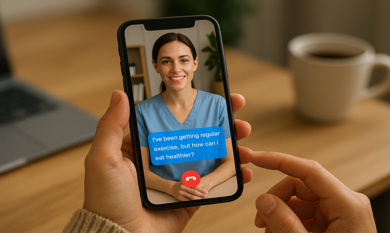
The patient downloads a mobile app for patient vitals approved by the provider. The app guides setup step by step. Devices pair automatically through BLE. A dashboard shows daily trends in clear language.
If something changes, alerts are triggered. Families feel informed without being overwhelmed.
When searching for remote care technology providers in California, families often prioritize ease of use and support availability. A well-designed system requires minimal technical expertise. Most updates happen automatically in the background.
Healthcare Innovation Landscape 2026
In 2026, North America leads the global healthcare IoT market. Los Angeles stands out as a center for digital health innovation, supported by research institutions, startup ecosystems, and major hospital networks.
Healthcare leaders are not asking if IoT will influence recovery. They are asking how quickly and securely they can implement it.
The opportunity lies in bridging hospital expertise with home-based monitoring systems that are scalable, compliant, and patient-friendly.
Conclusion
Patient recovery should not depend on traffic patterns or appointment availability. By leveraging IoT and BLE technologies, healthcare providers can extend visibility into the home and respond to risks before they escalate.
When built on secure cloud infrastructure, integrated through FHIR and HL7 standards, and protected with Zero-Trust architecture, remote monitoring becomes a trusted extension of clinical care.
Organizations seeking to implement scalable home recovery programs can benefit from working with an experienced IoT & BLE solutions company in Los Angeles that understands healthcare compliance, cybersecurity, and interoperability.
At Theta Technolabs, our expertise across Web, Mobile and Cloud platforms enables healthcare providers to build secure, connected ecosystems that support patients beyond hospital walls.
Enable Secure Remote Monitoring
If you are exploring Connected health device setup Los Angeles programs or evaluating remote monitoring strategies for your healthcare organization, Theta Technolabs would be glad to assist.
Contact sales@thetatechnolabs.com to schedule a consultation and discover how IoT and BLE technologies can transform patient recovery at home in Los Angeles.
Frequently Asked Questions
1. Is remote patient monitoring secure in Los Angeles?
Yes, when built on Zero-Trust architecture with encrypted BLE communication and compliant cloud infrastructure. Systems aligned with FHIR and HL7 standards ensure both interoperability and secure data transfer.
2. Are Bluetooth medical devices for home use difficult to set up?
Modern devices are designed for simplicity. Most require turning on the device and confirming pairing in the app. Clear instructions and remote onboarding support simplify the process.
3. What happens if the internet goes down?
Many BLE devices store data locally and sync once connectivity is restored. Some setups include cellular backup gateways for continuous monitoring.
4. How accurate are wearable heart monitors 2026 models?
Current generation devices offer clinical-grade accuracy for continuous rhythm monitoring. They are frequently validated against hospital-grade ECG equipment.
5. Can seniors manage these systems independently?
Yes. Especially with smart health sensors for seniors LA, interfaces are designed with large text, simple alerts, and minimal interaction steps.



.png)













.png)
.png)




.png)
.png)
.png)
.png)


.png)
.png)
.png)
.png)
.png)


.png)





_How%20Cloud%20Solutions%20Are%20Enhancing%20Remote%20Patient%20Monitoring%20in%20Healthcare_Q4_25.jpg)
_Streamlining%20Appointment%20Scheduling%20with%20Cloud%20Computing%20in%20Dallas%20Healthcare_Q4_25.jpg)