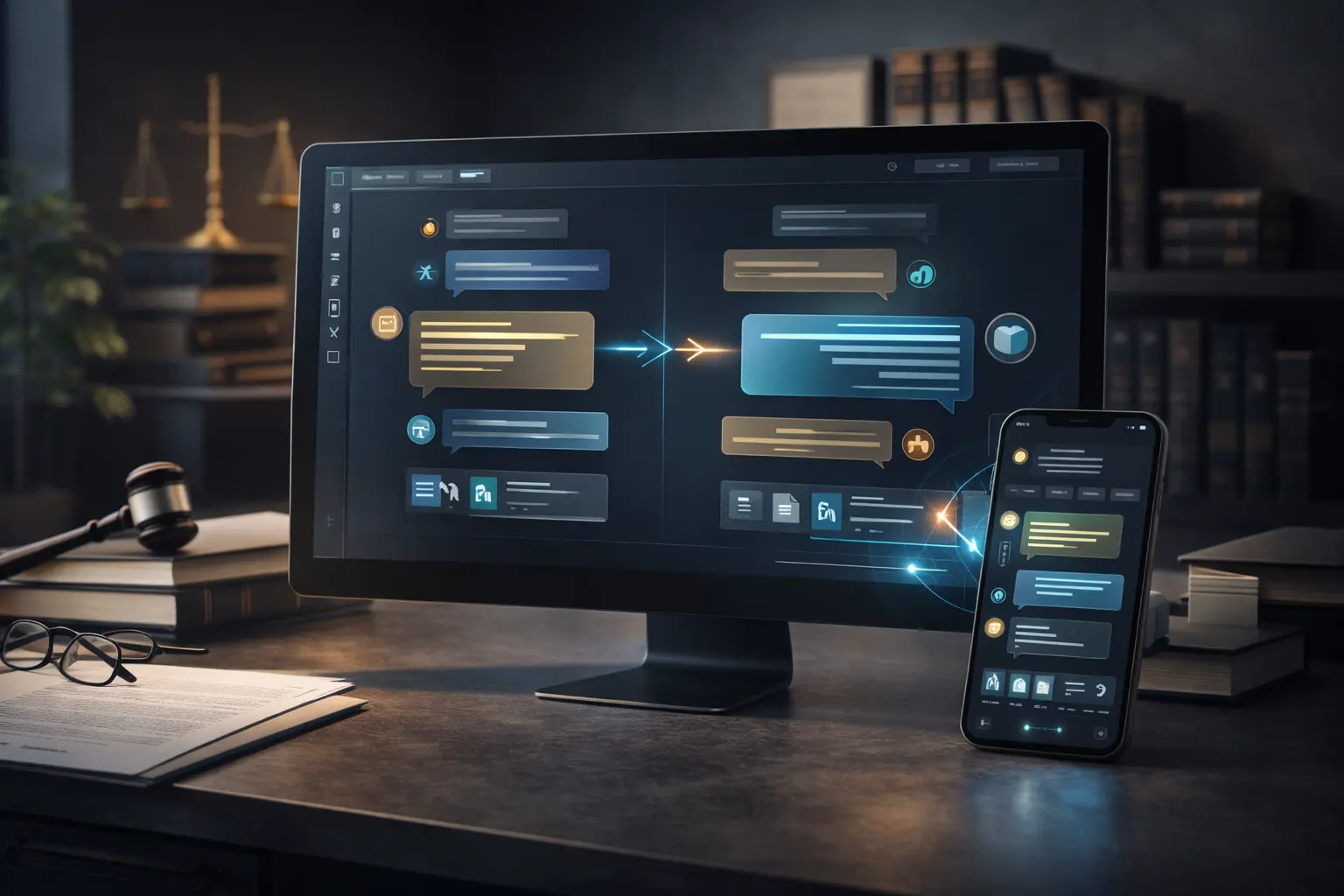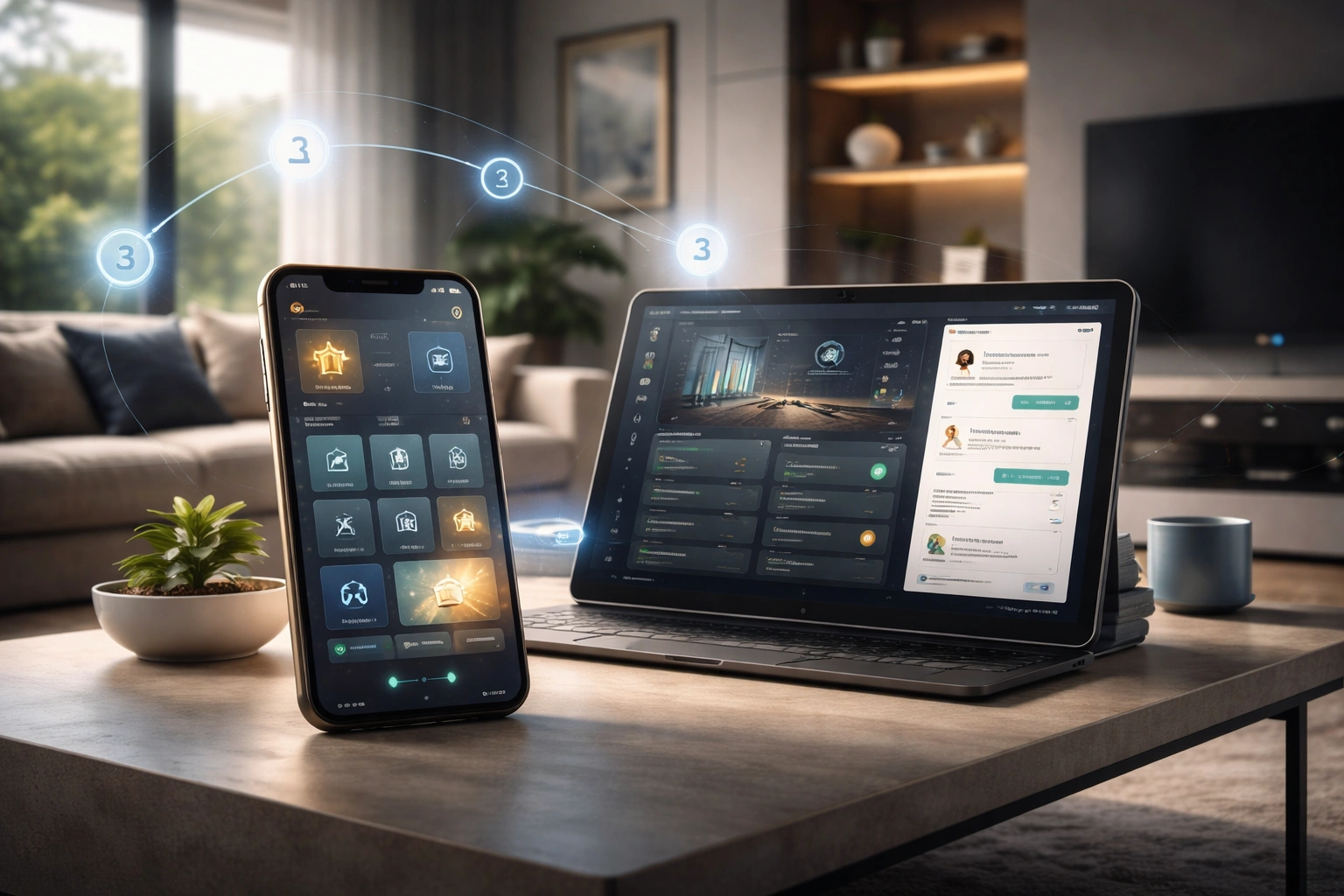


In 2026, Boston’s healthcare ecosystem—from Mass General Brigham to emerging biotech labs in Kendall Square—is operating in a data environment that evolves faster than traditional healthcare software can handle. Intelligent healthcare systems Boston 2026 represent a shift from static tools to continuously learning platforms that improve clinical outcomes over time.
The problem is simple: static healthcare software becomes outdated the moment it is deployed. Clinical protocols evolve, patient populations change, and research discoveries accelerate. When systems cannot adapt, clinicians are forced to rely on manual interpretation of massive datasets.
Today’s intelligent systems solve this by learning from real-world outcomes and refining their recommendations—while still keeping physicians firmly in control.
Why Static Healthcare Software Is Failing Boston Hospitals
Boston hospitals generate extraordinary amounts of clinical data every day—from wearable devices to genomic sequencing and post-treatment recovery analytics.
Traditional systems struggle because they:
- Operate on fixed clinical rules
- Require manual updates from developers
- Cannot process continuous patient outcome feedback
- Fail to scale with modern biotech research pipelines
This is why adaptive systems powered by AI and machine learning are becoming essential infrastructure for Boston’s leading medical institutions.
Instead of waiting for annual software updates, these systems learn continuously from real clinical outcomes.
How Intelligent Healthcare Systems Work in Practice
When implemented correctly, intelligent healthcare platforms function like a learning medical assistant that improves with every patient case.
Adaptive Clinical Decision Support (Explained Simply)
Think of adaptive clinical decision support like a navigation app:
- A traditional GPS gives you one route.
- A smart navigation app updates your route based on traffic in real time.
Similarly, adaptive clinical systems adjust treatment recommendations using new data from patient outcomes.
Key components include:
- HIPAA-compliant machine learning models
- Real-time clinical data ingestion
- Continuous model retraining
- Human-in-the-loop validation
This ensures the AI suggests improvements, but clinicians make the final decision.
Example: AI Learning from Oncology Treatment Outcomes
Consider a Boston oncology center implementing a learning healthcare system.
Initially, the system follows a standard chemotherapy dosage protocol used across major hospitals.
Over time, the platform analyzes:
- Patient recovery rates
- Side-effect patterns
- Time-to-response data
- Biomarker variations
After six months of analysis, the AI identifies a pattern:
Adjusting the timing of dosage delivery improves recovery outcomes by 12% across a specific patient group.
Instead of waiting for a new protocol publication, the system:
- Flags the finding for oncologists
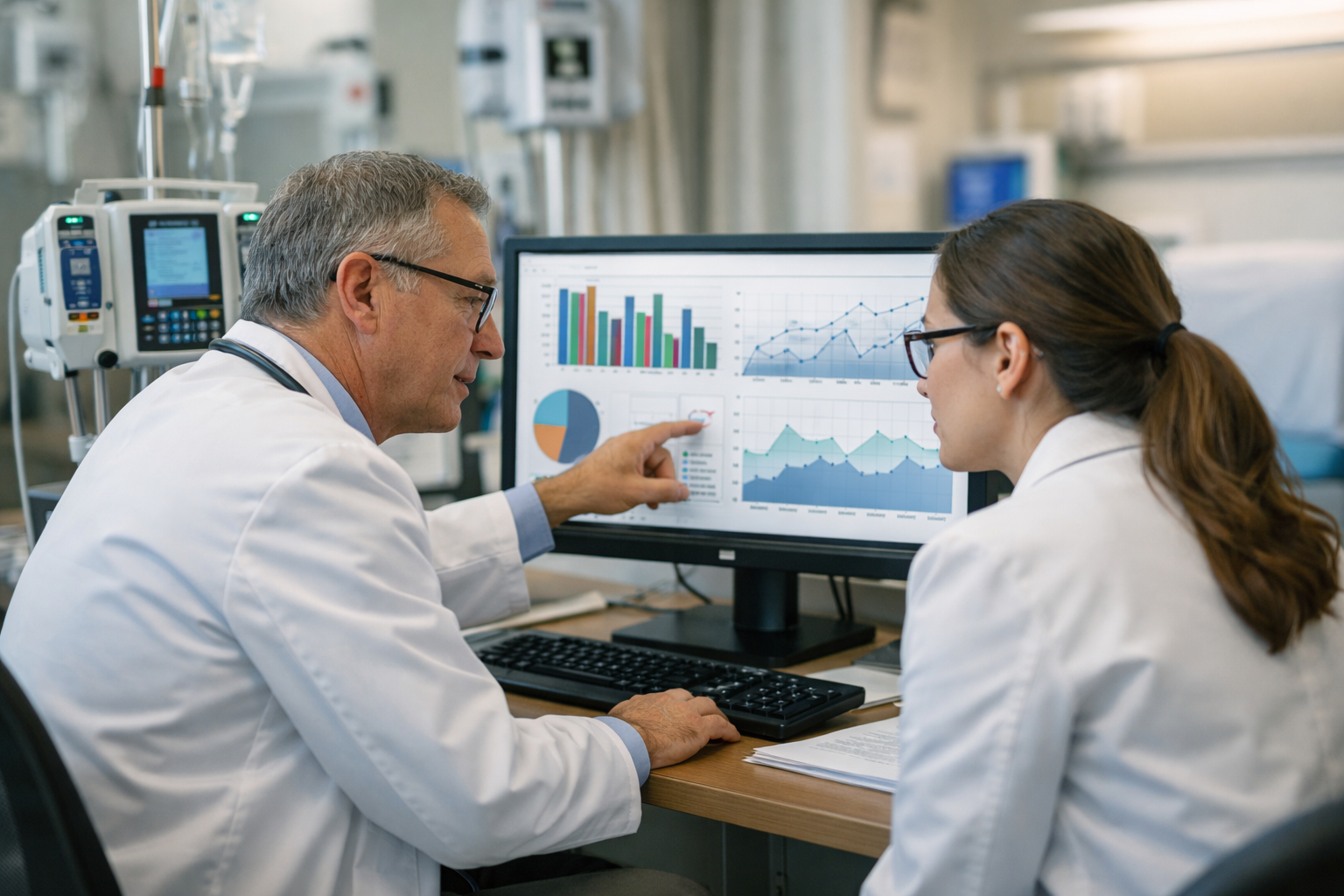
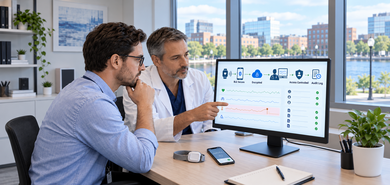
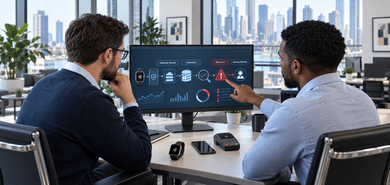
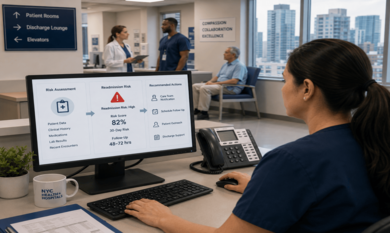
- Presents evidence through a clinical dashboard
- Suggests protocol adjustments for similar patients
- Updates its internal model to refine future treatment recommendations for clinicians.
The oncologist remains the final authority, but the system continuously improves treatment intelligence.
This is the core idea behind scaling self-improving AI in biotech environments.
The Technology Stack Behind Learning Healthcare Systems
Building these platforms requires specialized medical-grade AI software development designed for regulated environments.
Core Components
1. HIPAA-Compliant Machine Learning Models
Models must securely handle patient data while learning from outcomes without compromising privacy.
2. Continuous Learning Pipelines
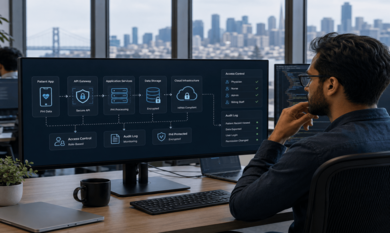
Systems retrain models using new clinical data while maintaining regulatory audit trails.
3. FDA SaMD-Compliant Architecture
Healthcare AI increasingly falls under FDA Software-as-a-Medical-Device (SaMD) regulations. Systems must document:
- Model updates
- Performance validation
- Risk management
4. Human-in-the-Loop Decision Systems
AI recommends—but clinicians approve.
This ensures the technology augments medical expertise rather than replacing it.
The Role of Medical-Grade AI Software
At the center of this transformation is medical-grade AI software engineered specifically for healthcare environments.
Unlike consumer AI tools, medical-grade platforms must:
- Meet strict regulatory requirements
- Maintain clinical-grade accuracy
- Provide explainable recommendations
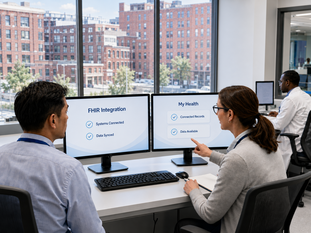
- Integrate with hospital systems like EHRs
This level of engineering is why Boston’s hospitals increasingly collaborate with specialized technology partners that understand healthcare-grade architecture.
Experience from Boston’s HealthTech Ecosystem
Organizations building intelligent healthcare systems must understand the unique demands of Boston’s research-driven healthcare network.
Theta Technolabs has extensive experience supporting this ecosystem through:
- Medical-grade AI platforms
- HIPAA-compliant machine learning infrastructure
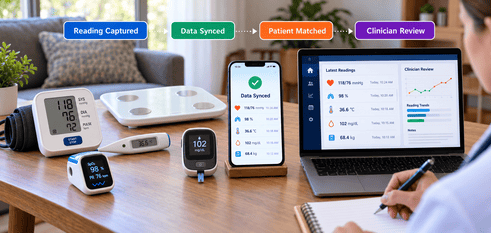
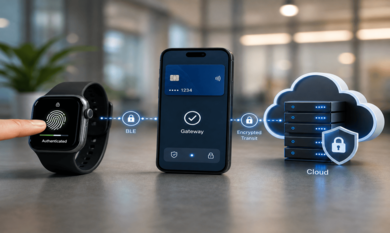
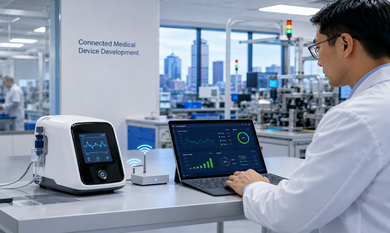
- Precision BLE technologies for medical devices
- Secure data pipelines for clinical environments
Their engineering approach aligns with FDA SaMD frameworks and integrates human-in-the-loop design so clinicians remain central to decision-making.
By combining clinical data intelligence with connected medical hardware, systems can evolve continuously without disrupting clinical workflows.
Scaling Self-Improving AI in Biotech
For Boston’s biotech sector, learning systems unlock several advantages:
- Faster translation of research into clinical practice
- Continuous improvement in treatment protocols
- Reduced manual data interpretation
- More personalized patient care
The real power lies in systems that improve themselves over time—not once per software release.
Conclusion
Healthcare software is entering a new phase where systems are expected to learn, adapt, and improve continuously.
Boston’s hospitals and biotech organizations are leading this transformation with intelligent platforms that combine adaptive clinical intelligence, regulatory compliance, and real-world outcome learning.
Companies like Theta Technolabs are helping accelerate this shift by building scalable healthcare technology across Web, Mobile and Cloud platforms. Their expertise in connected medical systems, data infrastructure, and precision BLE solutions enables healthcare providers to deploy intelligent platforms that grow smarter with every patient interaction.
The future of healthcare is not static software—it is learning systems designed for continuous improvement.
Discuss Your Healthcare AI Implementation
If your organization is exploring intelligent healthcare platforms or adaptive clinical systems, the experts at Theta Technolabs can help design and implement scalable solutions tailored to modern healthcare environments.
📩 Email sales@thetatechnolabs.com to discuss implementation strategies for next-generation healthcare AI systems.
Frequently Asked Questions
1. What are intelligent healthcare systems?
Intelligent healthcare systems are software platforms that learn from patient outcomes and clinical data to improve treatment recommendations over time while keeping doctors in control of final decisions.
2. Are learning AI systems safe for clinical environments?
Yes. When developed under FDA Software-as-a-Medical-Device (SaMD) frameworks and using HIPAA-compliant machine learning models, these systems meet strict safety and privacy standards.
3. What is adaptive clinical decision support?
Adaptive clinical decision support is an AI-driven system that continuously updates medical recommendations as new patient data becomes available—similar to how navigation apps update routes based on traffic conditions.
4. How can biotech companies scale self-improving AI?
Scaling self-improving AI requires:
- Robust clinical data pipelines
- Regulatory-compliant AI models
- Continuous validation systems
- Integration with hospital EHR infrastructure
These elements allow AI platforms to evolve safely within healthcare environments.











.png)



.png)

















.png)

















.png)