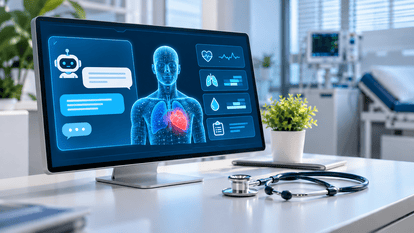


A patient digital twin chatbot can provide a conversational way to explore those questions. It connects authorized requests with relevant observations, predictive outputs, and supporting information.
Its usefulness depends on what sits behind the conversation. The interface needs dependable data, a clearly defined predictive capability, and limits on what it can explain or recommend. Fluent language alone does not establish a reliable digital twin.
Define the Digital Twin Before Adding Conversation
A Patient Record Is Not the Same as a Digital Twin
A patient portal stores or displays information. A chatbot can summarize that information, retrieve documents, or help users navigate services.
Those functions do not automatically create a digital twin.
The National Academies’ description of digital twins emphasizes dynamic updating, predictive capability, and support for decisions. Applied to healthcare, the representation needs a defined relationship with the patient information it uses.
Connecting a language interface to an EHR is therefore only one possible component.
Keep the Representation Specific
A practical patient digital twin may address a selected physiological process or clinical question. It should not be presented as a complete replica of a person.
The development team must specify what the system represents, which observations update it, and which outputs have been evaluated.
That scope determines what users can meaningfully ask. A system developed for one purpose should not automatically answer unrelated clinical questions.
Turn Questions Into Traceable Information Requests
Retrieve the Right Information
Conversation provides an accessible starting point, but the application needs a controlled process behind each response.
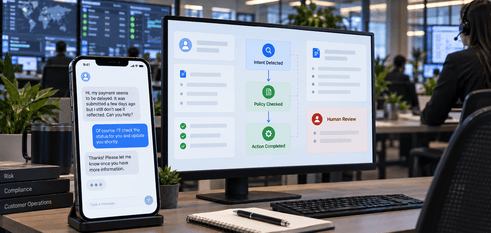
First, it establishes identity and permissions. It then identifies the request and retrieves information through approved connections. The response should reflect what those systems actually return.
AI chatbot development services can support building this interface around defined tools and data sources.
Consider a hypothetical request: “Show the measurements used for my latest forecast.”
The application can retrieve the relevant input record and display its dates and sources. It should not substitute other readings because the requested information is missing.
Distinguish Observations From Predictions
Measured values and estimated future values need separate labels.
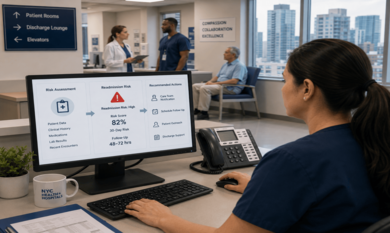
A response can show when an observation was recorded, when a forecast was generated, and the period it covers. Where supported, it should include uncertainty and relevant limitations.
Explanations must also remain tied to available evidence. A chatbot should not invent a biological explanation simply because a prediction appears unusual.
If the request exceeds the supported capability, the interface should explain that limit and offer an appropriate next step.
Follow a Defined Patient Interaction Scenario
Review Changes During Type 2 Diabetes Care
Imagine a hypothetical application developed for a defined type 2 diabetes monitoring workflow.
A patient asks, “Can you summarize my recorded glucose readings and activity information before my appointment?”
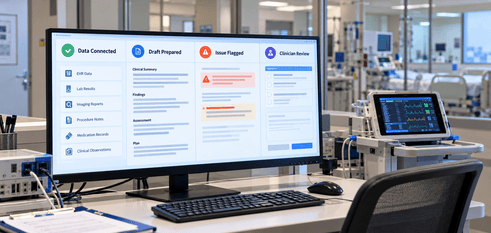
With appropriate access, the chatbot can retrieve the records, identify missing periods, and prepare a source-linked summary. This is information retrieval, even if the wider platform also contains a digital twin.
A separate request might ask what a supported forecast shows. The response should identify the estimated outcome, forecast period, and uncertainty without presenting the estimate as an observed result.
The patient can use the summary to prepare questions for the care team.
Keep “What If” Questions Within Scope
“What happens if my medication changes?” requires a different capability.
A system that forecasts observations does not automatically establish the effects of changing treatment. Medication questions should follow the appropriate clinical pathway.
Any scenario simulation needs its own intended use and evaluation. The chatbot must not generate a treatment simulation merely because the question sounds answerable.
Connect Records and Devices With Their Context
Preserve Source, Time, and Patient Identity
Useful interaction depends on connecting the correct records to the correct person.
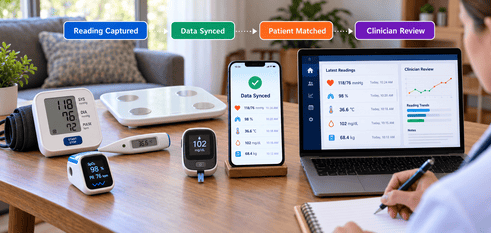
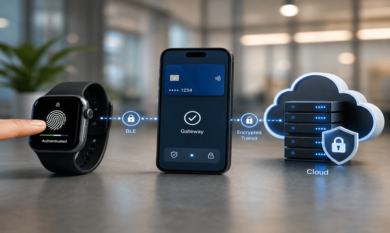
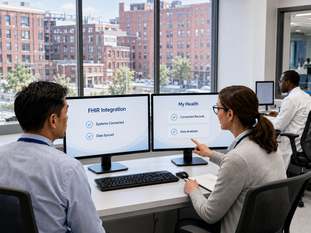
Integration should preserve measurement units, timestamps, source devices, and document versions. Corrections need to remain traceable.
Conflicting records should be visible rather than silently reconciled. A patient-reported observation, for example, should remain distinguishable from a measurement collected by a connected device.
Identify Missing or Delayed Readings
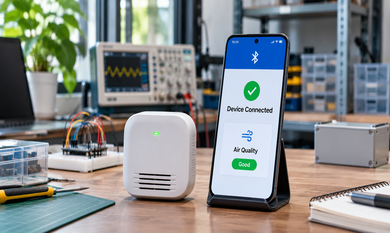
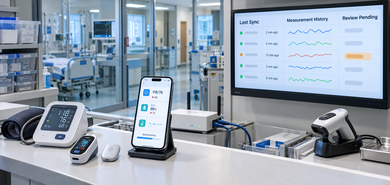
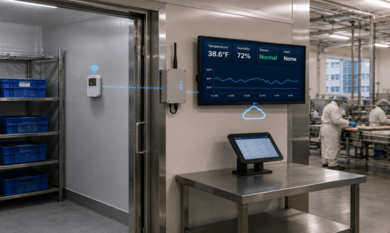
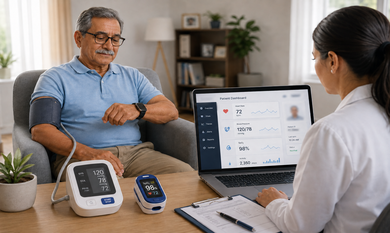
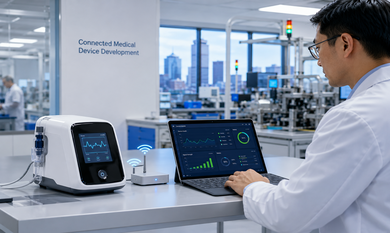
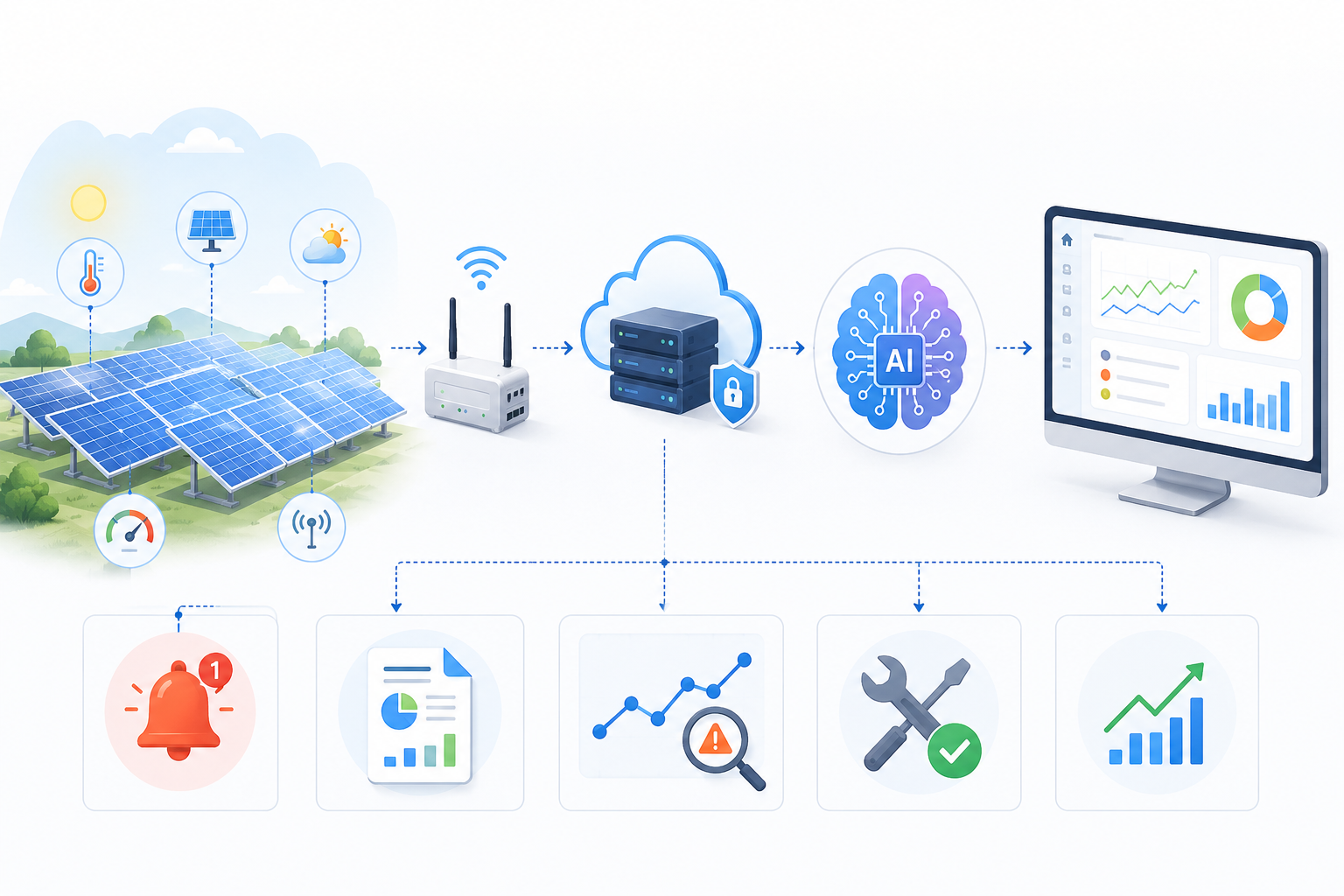
IoT consulting and development services can support integrating compatible monitoring equipment where its data serves the defined workflow.
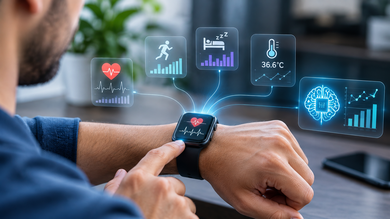
Continuous updating should not be assumed. Devices disconnect, uploads arrive late, and some measurements are collected periodically.
Suppose a sensor stops transmitting. The interface should show the latest available reading and the interruption. It should not describe the patient’s current condition using an outdated value without qualification.
The predictive component also needs defined handling for incomplete inputs. A fluent response cannot compensate for missing information.
Evaluate the Interface and Predictive Capability Separately
Assess Predictions for Their Intended Use
Evaluation begins with a specific question: what outcome does the system estimate, for which patients, and over what period?
Test performance on appropriate data excluded from development. Review errors, uncertainty, and performance across relevant patient groups.
A capability assessed for one condition or care setting should not automatically be extended to another. Ongoing monitoring should identify changes in data quality or predictive performance.
Test Conversation Quality and Escalation
The chatbot requires separate evaluation.
Can it retrieve the correct information, preserve units, explain uncertainty, and acknowledge missing records? Does it distinguish an estimate from a confirmed finding?
Test ambiguous questions, conflicting documents, repeated conversations, and requests outside its scope. Check whether corrections persist and whether users understand the response.
Urgent concerns need a clearly defined response pathway. Routine messaging should not create the impression of continuous clinical supervision.
Enhance Existing Applications Where Appropriate
An existing patient portal may support a new conversational interface without a complete rebuild.
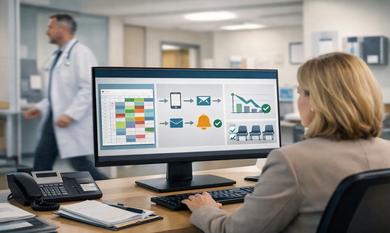
Healthcare software development can connect selected functions, introduce review screens, or develop additional components where required.
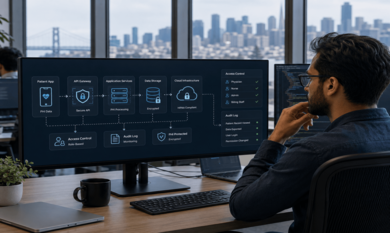
Access controls, audit records, and data handling belong in the design. Applicable clinical, privacy, and regulatory requirements depend on the intended use and deployment. Adding a chatbot does not independently establish compliance or clinical suitability.
Conclusion
Chatbots can make patient digital twin information easier to explore when questions connect with dependable observations and appropriately evaluated predictions.
The interface should show what is known, what is estimated, and what requires clinical review. A useful starting point is one defined interaction supported by suitable data and clear evaluation criteria.
Theta Technolabs, a software development company serving the USA, can build web and mobile applications, develop cloud platforms, integrate compatible hardware, and enhance existing healthcare software. Project scope should reflect the intended users, clinical purpose, and available systems.
Discuss your patient interaction and integration requirements with Theta Technolabs at sales@thetatechnolabs.com.