Your clinic adds an online intake form. Patients complete it before arriving, but reception staff still re-enter the information, clinicians search another system for documents, and follow-up tasks remain in a spreadsheet.
The form works. The wider process still needs attention.
Before investing in custom healthcare software development, providers should establish how a proposed application will improve that complete journey. A useful investment connects people, information, and responsibilities while remaining practical to operate.
For US healthcare organizations, that means assessing workflow requirements, integration access, privacy obligations, implementation costs, and long-term support before approving development.
Start With the Work Between Appointments
Consider a hypothetical outpatient specialty practice.
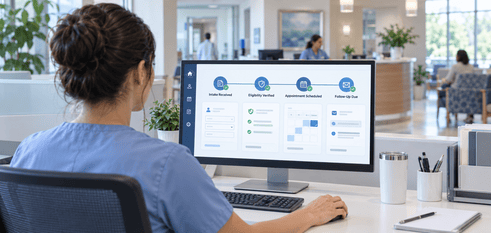
A patient submits a referral and intake questionnaire. Reception checks the documents, a clinician reviews relevant information, and a coordinator arranges the next appointment.
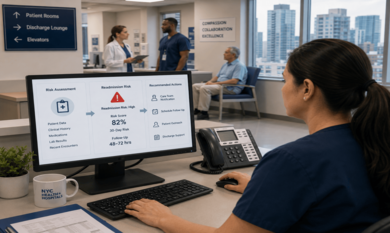
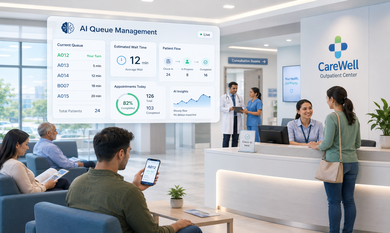
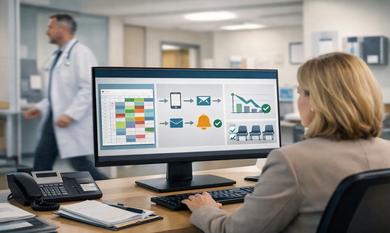
A shared application could show what has arrived, what needs review, and who owns the next step. Healthcare workflow automation could notify the coordinator after the review is complete.
First, document the current process. Identify repeated entry, unclear ownership, and delays that staff can measure.
Choose a baseline such as time spent processing each referral or the number of incomplete requests. This gives the team something concrete to evaluate after implementation, beyond whether the new interface looks better.
Choose the Smallest Change That Solves the Problem
Custom development does not always require replacing an EHR or rebuilding an entire platform.
The specialty practice might need a referral workspace connected to existing applications. Another provider may benefit from configuring features already available through its current vendor.
Compare configuration, purchased software, and custom development against the same requirements. Include integration access, user experience, recurring charges, and maintenance responsibilities.
When evaluating healthcare software development services, ask which existing components can remain useful.
The proposal should explain what will be created, what will be reused, and what depends on another vendor. This keeps the scope connected to the operational problem.
Confirm EHR Integration Before Agreeing to a Timeline
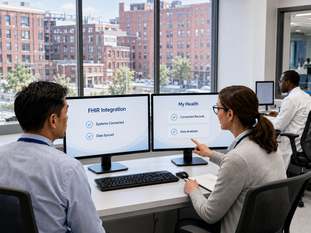
EHR integration should be investigated during discovery, rather than treated as a detail to resolve after development begins.
Specify which information the application needs, whether access is read-only, and which system maintains the authoritative record.
For example, demographic updates may originate in the EHR, while appointment availability comes from a scheduling application. Define how changes move between them.
Healthcare software interoperability also depends on the interfaces actually available. References to APIs, HL7, or FHIR should lead to questions about supported data, authentication, versions, and vendor approval.
Check interface fees, testing environments, rate limits, and support arrangements. A technically possible integration may still depend on access that has not been approved.
Assign Privacy and Security Responsibilities Clearly
Patient data security requires more than selecting a hosting platform.
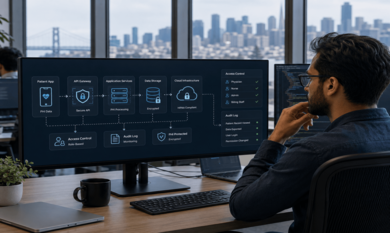
Document what information the application collects, who can access it, where it travels, and how long it remains available. Review authentication, audit records, backups, access removal, and incident procedures.
For arrangements subject to HIPAA, HHS explains that a cloud provider maintaining electronic protected health information on behalf of a covered entity or business associate is itself a business associate, even when it cannot decrypt that information. Applicable agreements and risk analysis therefore matter alongside technical safeguards. HHS.gov
Ask qualified privacy, security, and legal reviewers to assess the deployment. A vendor’s “HIPAA-compliant” description alone does not establish that your organization’s implementation meets its obligations.
Write Requirements Around Completed Work
“An intuitive dashboard” is difficult to evaluate without defining what employees need to accomplish.
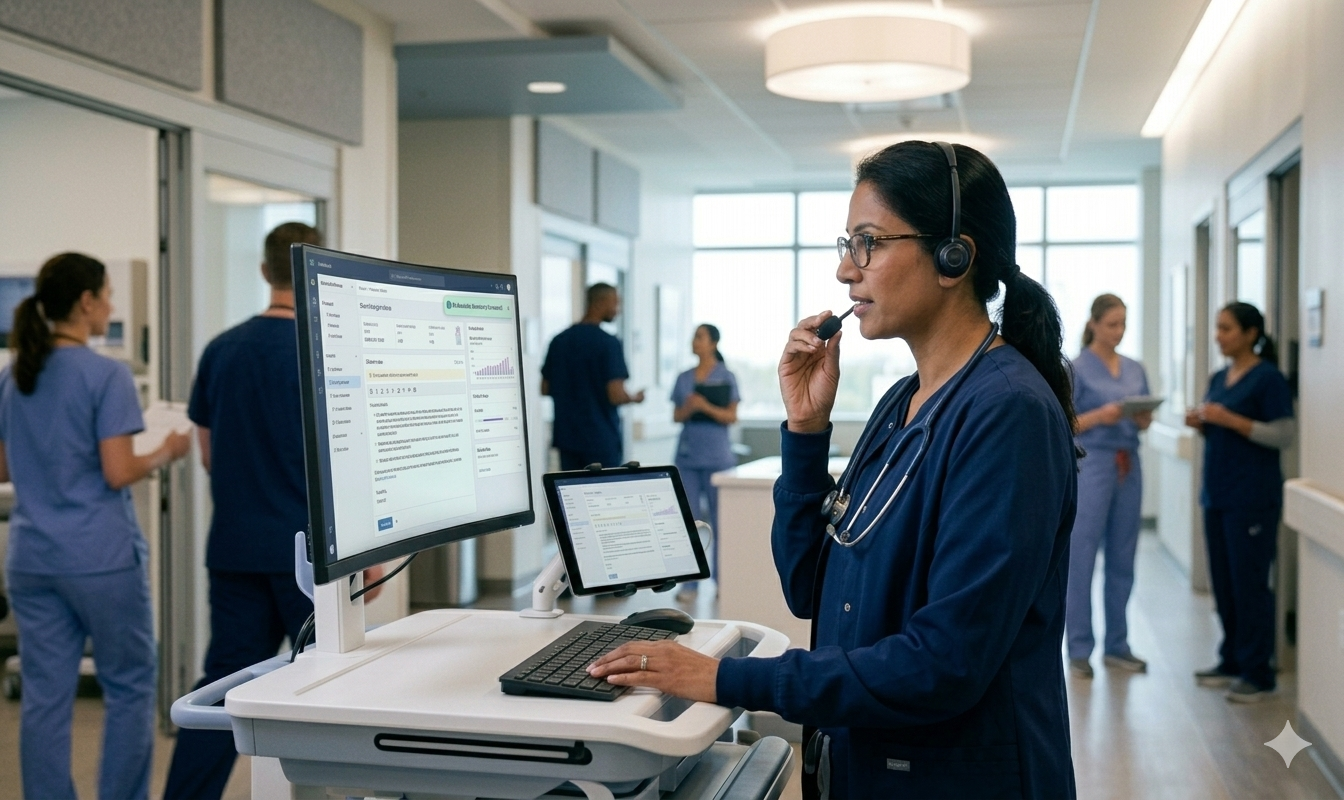
For the referral workspace, reception staff should be able to identify missing documents, assign a review, and see its status. Clinicians need relevant information without receiving unnecessary administrative permissions.
When comparing practice management solutions, involve representative users in testing. Include keyboard navigation, readable text, mobile access where needed, and realistic workloads.
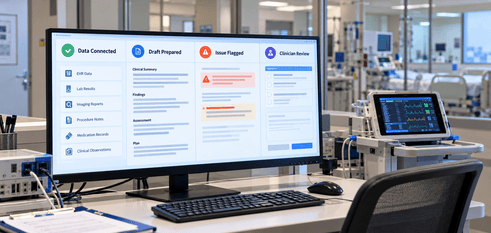
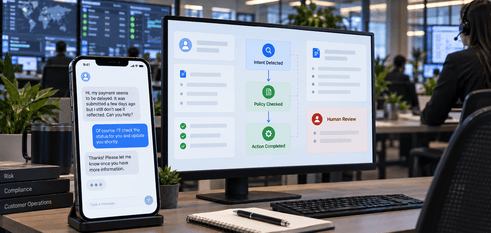
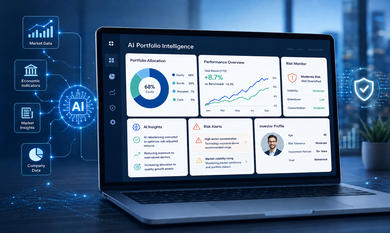
If AI is proposed, define its purpose separately. Drafting an administrative summary differs from making a clinical recommendation.
Establish how users verify generated content, correct errors, and escalate uncertainty. Staff should understand which information comes from source records and which content the system generates.
Build a Budget That Extends Beyond Launch
Custom healthcare software costs depend on scope, integrations, data migration, security requirements, and support expectations.
Request a breakdown covering discovery, design, development, testing, deployment, training, and documentation. Then examine recurring costs such as hosting, monitoring, messaging, vendor interfaces, and maintenance.
Compare estimates using equivalent assumptions. An attractive development price may cover fewer responsibilities.
Clarify ownership of source code, repositories, cloud accounts, and deployment documentation. Address data export and transition assistance before signing.
A healthcare software investment also needs an internal owner. Someone must prioritize changes, coordinate users, and decide whether the application continues delivering value.
Ask Vendors to Demonstrate the Difficult Cases
When evaluating healthcare software development in the USA, look beyond a prepared demonstration.
Ask how the proposed system behaves when an integration becomes unavailable, a user’s permissions change, or a record arrives twice.
Before release, verify:
- Important workflows using representative test data.
- Access boundaries across different user roles.
- Data migration and reconciliation procedures.
- Backup restoration and operational recovery.
- Support escalation and staff training arrangements.
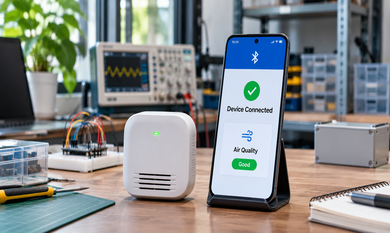
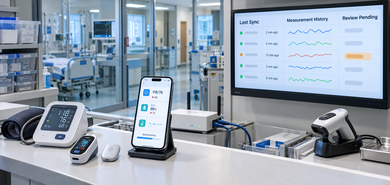
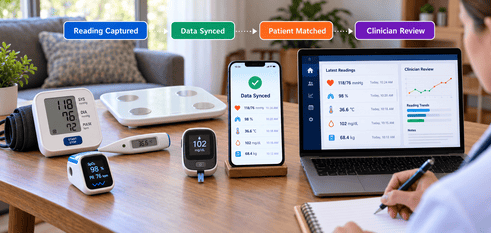
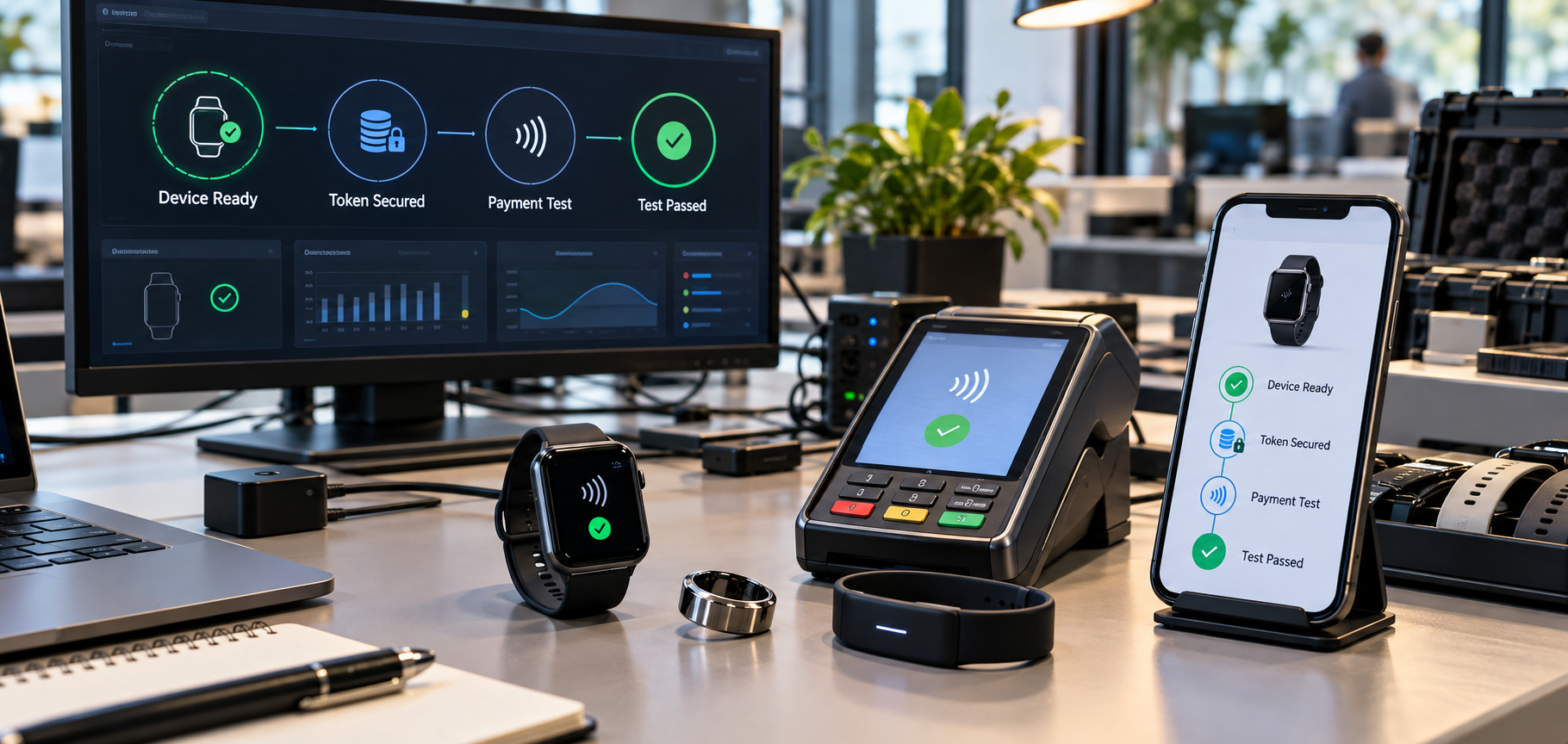
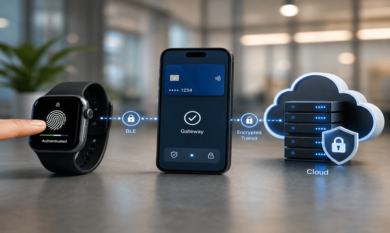
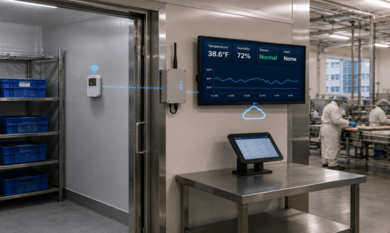
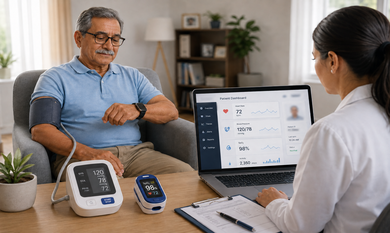
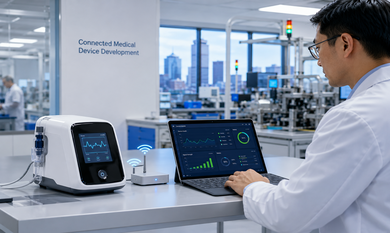
For hardware integration, also check device association, timestamps, units, and interrupted connections.
Begin with a defined workflow or department. Establish acceptance criteria and a fallback process, then expand after reviewing actual performance and staff feedback.
Frequently Asked Questions
1. When should a healthcare provider choose custom software?
Consider it when an important workflow remains poorly supported by available products or requires specific integrations. Compare configuration and established software first. Custom development should address documented requirements that justify its ongoing ownership and maintenance.
2. Can we retain our existing EHR?
Often, yes. A separate application may connect with the EHR through supported interfaces. Assess available access, vendor permissions, data exchange requirements, and maintenance responsibilities before confirming the integration scope.
3. How should we choose a healthcare software development partner?
Ask the team to explain a relevant workflow, its integration approach, testing evidence, and support process. Review appropriate project examples and clarify responsibilities for security, documentation, deployment, ownership, and future changes.
4. What should the contract say about ongoing support?
Define support hours, issue severity, response expectations, maintenance coverage, and charges. Distinguish response time from resolution commitments. Address third-party dependencies and the process for transferring the application to another provider.
5. How can we measure whether the investment succeeds?
Compare results with the original baseline. Track measures such as processing time, repeated entry, task completion, and support workload. Include staff feedback and investigate whether improvements in one department create additional work elsewhere.
Invest in Software Your Team Can Sustain
The strongest healthcare software investment supports daily work and remains understandable, maintainable, and useful as requirements evolve.
At Theta Technolabs, we provide custom software development across web, mobile, and cloud platforms. Our team can develop new applications, enhance existing software, and integrate supported hardware with operational systems.
A focused assessment helps establish what to build, what to retain, and how to measure progress.
Discuss your healthcare software requirements at sales@thetatechnolabs.com.