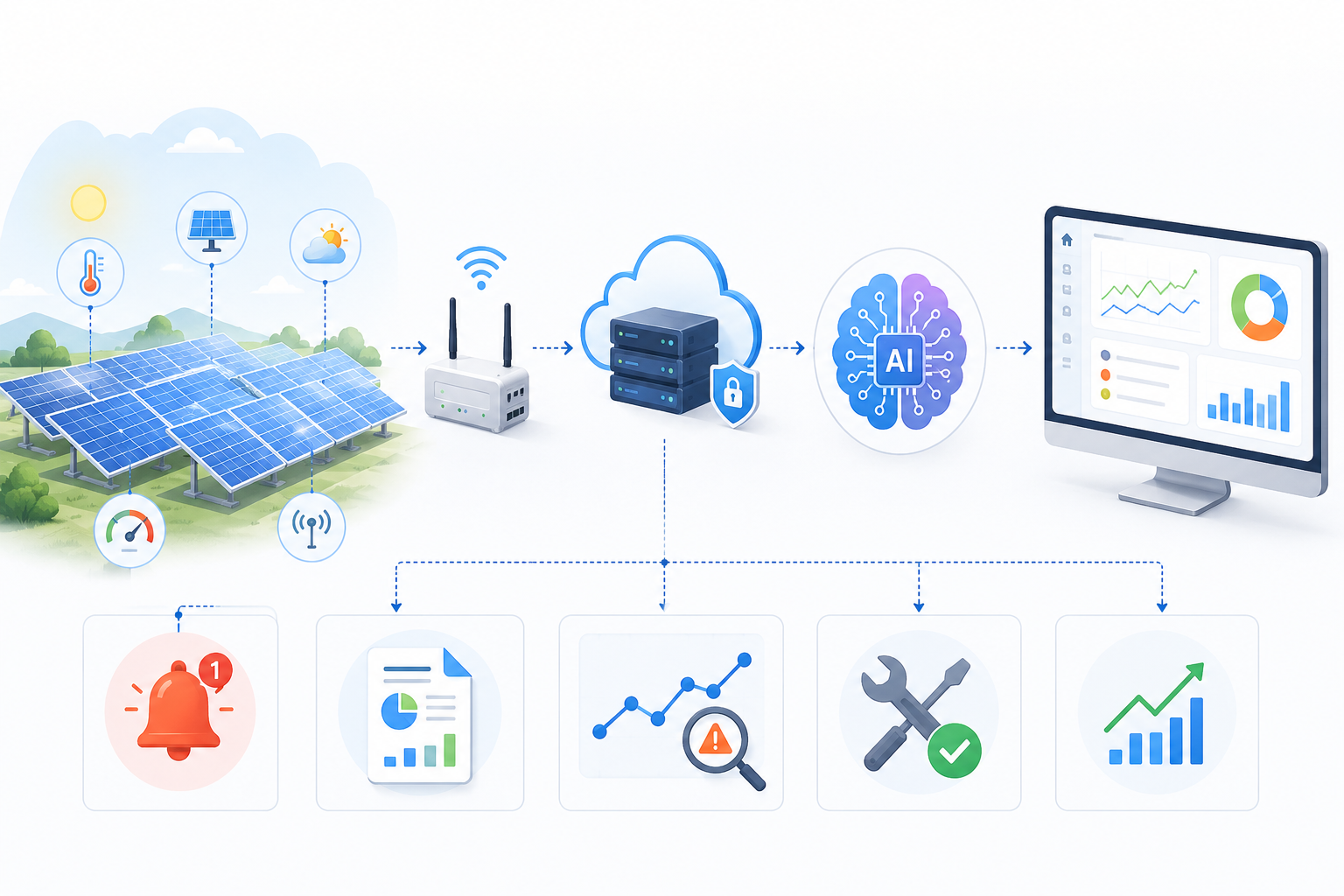


DePIN stands for decentralized physical infrastructure networks. These networks use blockchain-based coordination, often with token incentives, to organize contributions of physical resources such as connectivity, storage, computing capacity, or sensor data.
The idea connects independent infrastructure operators with people who need a service.
Understanding DePIN requires looking beyond the token. A useful network must establish what contributors provide, verify delivery, serve customers, and maintain workable operations. Its future depends on those practical requirements as much as its underlying technology.
Understand What Makes a Network DePIN
Coordinate Independently Operated Resources
In a DePIN approach, multiple participants can contribute resources under shared network rules.
A contributor might operate compatible equipment or make computing resources available. The network needs mechanisms for identifying participants, assessing contributions, and allocating compensation.
Chainlink’s DePIN explainer describes this connection between blockchain coordination, infrastructure, and cryptocurrency incentives.
However, decentralization is not a single setting. Hardware ownership, governance, verification, software access, and customer relationships can have different levels of distributed control.
Distinguish DePIN From Ordinary IoT
An IoT platform connects devices and applications. That alone does not make it DePIN.
A centrally operated sensor system may collect excellent information without decentralized participation or blockchain settlement.
Conversely, a DePIN system still requires conventional networking, databases, interfaces, and maintenance.
Businesses should identify which coordination problem decentralization addresses. Adding a token or ledger does not independently improve the quality of the underlying physical service.
How DePIN Works From Contribution to Payment
Register Resources and Measure Service
A network begins with a defined contribution.
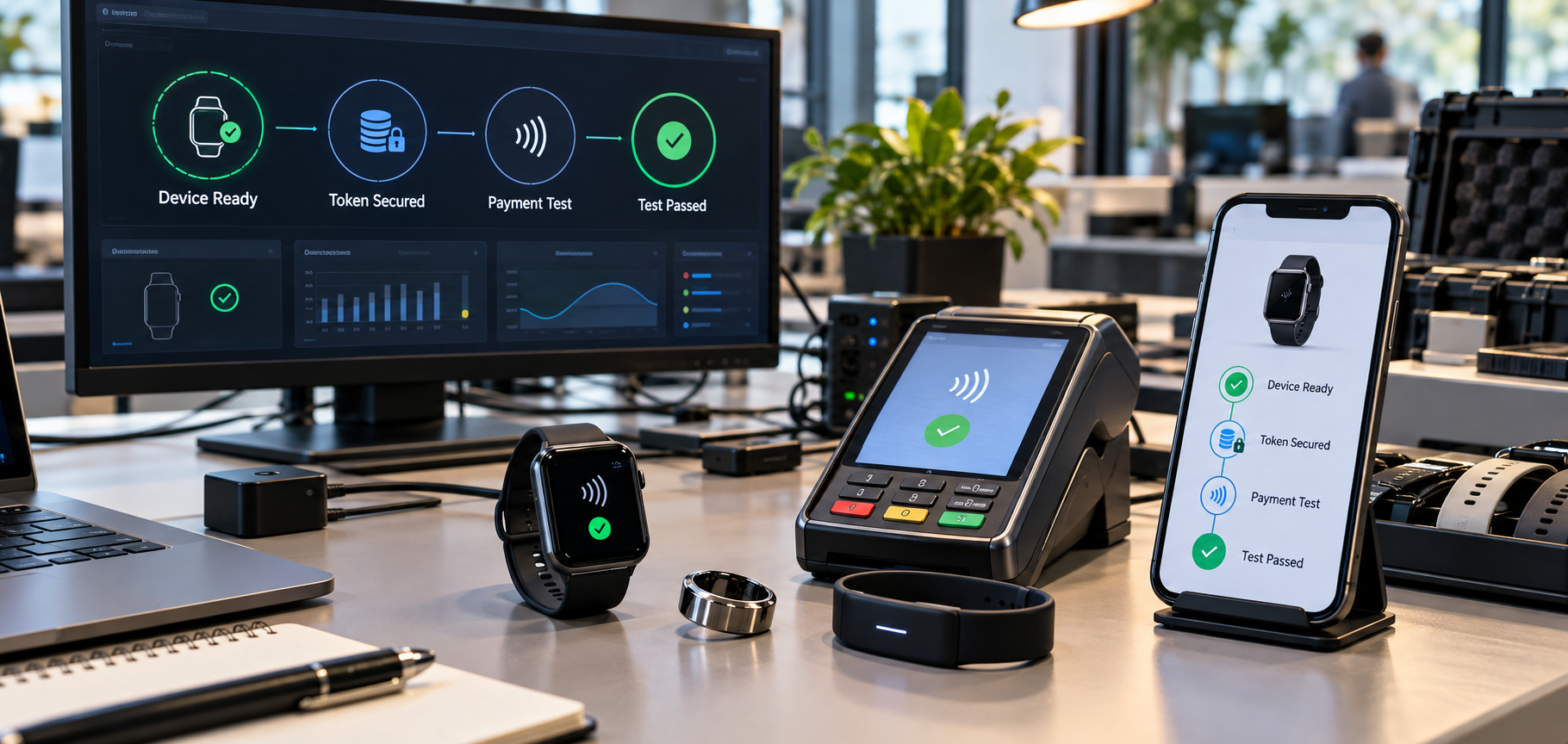
Participants register compatible resources and associated capabilities. Software collects the evidence needed to assess their contribution, according to the network’s design.
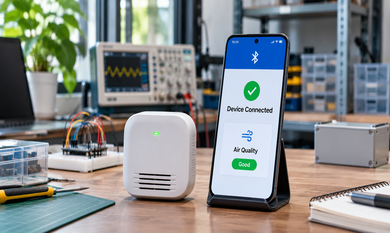
Consider a hypothetical environmental-data network. Contributors operate sensors at approved locations. Each submission needs an identifiable source, timestamp, measurement context, and checks appropriate to the intended use.
A device announcing that it exists is different from delivering usable observations.
Apply Network Rules and Reconcile Results
The platform evaluates submissions against its acceptance rules. Eligible contributions can then receive rewards or payments through the applicable process.
Web3 development services in Dallas can support designing these digital workflows and their blockchain components.
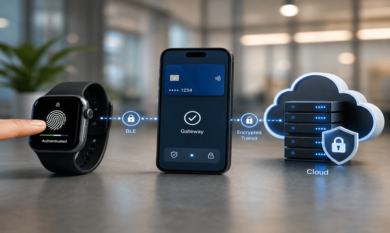
Not every reading or file needs public on-chain storage. Operational data may remain elsewhere, while selected records support settlement or verification.
The architecture must explain incomplete evidence, rejected contributions, disputes, and delayed settlement. A ledger can preserve a record without establishing that the original physical claim was accurate.
Where DePIN Can Support Practical Services
Connectivity, Storage, and Computing
Decentralized infrastructure can organize independently supplied connectivity, storage, or computing resources.
Each service has different requirements. Connectivity depends on useful coverage and service quality. Storage needs appropriate durability and retrieval capabilities. Computing requires suitable hardware, execution environments, and dependable job completion.
These resources should not be treated as interchangeable merely because they share a coordination approach.
Customers still need clear pricing, support, and evidence that the service meets their requirements.
Mapping and Environmental Data
Location-specific networks can organize contributions such as geographic observations or environmental measurements.
For example, a proposed monitoring network might collect readings across multiple sites. Its usefulness depends on measurement quality, placement, calibration, freshness, and permission to collect or distribute the information.
More devices do not automatically produce better coverage or more useful data. Additional contributions need to address actual gaps and meet relevant standards.
A practical application starts with the customer’s information requirement and works backward to suitable infrastructure.
Solve Verification and Economics Before Scaling
Check Useful Work, Not Device Count Alone
DePIN contribution verification connects digital incentives with physical service.
The design should consider false identities, duplicated submissions, manipulated locations, and unreliable equipment. Different resources require different checks; there is no universal proof that establishes every kind of useful work.
IoT and BLE development services can support compatible device integration, telemetry collection, and operational monitoring where connected equipment forms part of the service.
Maintenance responsibilities also need definition. Who investigates a disconnected device? Who pays for replacement? How are customers informed when service becomes unavailable?
Distributed ownership does not remove these responsibilities.
Separate Rewards From Sustainable Revenue
Token rewards can encourage participation, but they should not be confused with customer demand or guaranteed income.
Contributors may face equipment, electricity, connectivity, maintenance, and other expenses. Reward rules and token values can change.
Network operators need to assess whether customers value the delivered service at a workable price. Large contributor numbers alone do not establish sustainable economics.
Useful reporting separates deployed resources, verified contributions, customer usage, operating costs, and compensation. This helps teams understand whether growth improves the service or simply increases infrastructure without sufficient demand.
How DePIN May Evolve
The following directions are possible developments, rather than guaranteed outcomes.
More Emphasis on Service Performance
Networks may place greater emphasis on verified delivery, customer retention, and dependable operations.
That could shift attention from deployment counts toward measures appropriate to each service, such as successful job completion, useful geographic coverage, or data availability.
Clearer reporting would help customers compare decentralized and conventional options against the same operational requirements.
Simpler Interfaces and Better Integration
Customers may increasingly access services through familiar applications, with infrastructure coordination handled behind the interface.
This could involve conventional billing experiences, clearer service agreements, and better connections with enterprise systems. The underlying settlement design would still require assessment.
AI could support bounded functions such as identifying unusual telemetry or organizing support records. It would not independently prove that a physical contribution occurred.
These developments depend on implementation quality, governance, customer demand, and the requirements of the industry being served.
Build Around a Defined Service
Before planning a DePIN application, define the customer, required resource, verification method, and operating responsibilities.
Compare decentralized coordination with conventional alternatives. Some requirements may be met more effectively through an existing platform or a standard commercial agreement.
Custom software development can support this assessment, enhance existing applications, or introduce new components where justified.
Evaluate a limited scope before expanding. Test failed devices, incomplete evidence, payment reconciliation, and customer support.
Assess applicable legal, contractual, privacy, and sector requirements for the actual service. A decentralized architecture does not remove those obligations or automatically establish suitability.
Conclusion
DePIN offers an approach to coordinating distributed infrastructure. Its usefulness depends on verified contributions, customer demand, reliable operations, and sustainable economics.
Theta Technolabs, a software development company serving the USA, can develop web and mobile applications, build cloud platforms, integrate compatible hardware, and enhance existing software around defined network requirements.
Discuss your decentralized infrastructure and integration requirements with Theta Technolabs at sales@thetatechnolabs.com to assess an appropriate development scope.
Frequently Asked Questions
1. How Is DePIN Different From a Traditional IoT Network?
IoT connects devices and applications. DePIN adds mechanisms for coordinating independently contributed resources, often using blockchain records and token incentives. A connected device network is not automatically decentralized.
2. Do All DePIN Participants Need to Purchase Hardware?
Requirements vary. Some networks require specific equipment, while others accept compatible existing resources. Participants should assess hardware specifications, operating expenses, maintenance responsibilities, and contribution rules before joining.
3. Does DePIN Guarantee Income for Infrastructure Providers?
No. Compensation depends on network rules, eligible contributions, demand, and other conditions. Token values and rewards can change, while equipment and operating expenses may exceed earnings.
4. Can Existing Software and Devices Connect to a DePIN Platform?
Potentially. Integration depends on device capabilities, supported interfaces, identity requirements, and verification methods. Existing applications may be enhanced, but some networks require additional software or compatible equipment.
5. Does DePIN Need to Store All Data on a Blockchain?
No. Operational data can remain off-chain, while selected proofs, references, or settlement records are recorded on-chain. The appropriate design depends on privacy, performance, cost, and verification requirements.