

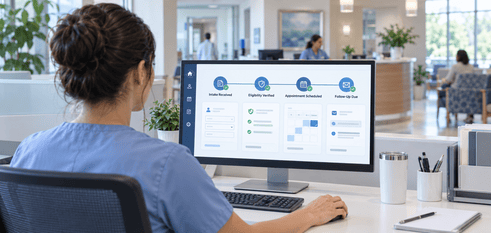
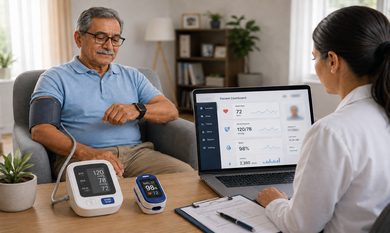
Patient access rarely depends on a single task. Before a patient receives care, healthcare staff may need to collect personal information, identify the right provider, schedule an appointment, verify insurance coverage, send instructions, and follow up after the visit.
When these activities take place across disconnected systems, patients may have to repeat information and wait for staff to complete each step manually. Missing data, scheduling mistakes, delayed eligibility checks, and overlooked follow-ups can create additional work for healthcare teams.
Agentic AI can help coordinate these activities as one connected workflow. Instead of automating only one action, an AI agent can work toward a defined outcome, interact with approved systems, and involve staff when a situation requires human judgment.
Agentic AI development services in USA can help healthcare organizations build these workflows around their existing systems, administrative processes, and patient-access requirements.
Why Disconnected Patient Access Workflows Cause Delays
Many healthcare organizations already use digital intake forms, online calendars, electronic health records, payer portals, and messaging platforms. However, these systems do not always exchange information smoothly.
A patient may complete an online form, but staff may still need to enter the same details into an EHR. An appointment may be scheduled before insurance coverage is checked. If the payer response indicates missing information, the issue might not be discovered until the patient arrives.
Follow-up activities can be similarly fragmented. Staff may need to review several work queues to identify patients who require reminders, additional forms, referrals, or post-visit communication.
Healthcare workflow automation can reduce repetitive work, but traditional automation generally follows fixed rules. It may stop when information is missing or when a case does not match a predefined condition. Agentic AI provides a more flexible coordination layer that can evaluate the situation, select an approved action, and continue the workflow.
What Makes Agentic AI Different From Basic Automation?
A traditional chatbot usually answers questions or collects information. A rule-based tool completes a specific action when a predefined condition is met. An agentic AI system can coordinate several actions across multiple systems while maintaining the context of the patient’s request.
For example, a patient might request a cardiology follow-up appointment. A healthcare AI agent could:
- Confirm the patient’s identity.
- Review the requested visit type.
- Check whether the required intake information is complete.
- Search approved provider calendars.
- Check insurance eligibility.
- Offer suitable appointment times.
- Book the selected slot.
- Send confirmation and preparation instructions.
- Schedule reminders and post-visit follow-ups.
The agent is not making a diagnosis or replacing clinical judgment. It is coordinating administrative tasks within defined permissions and escalation rules.
How Agentic AI Can Coordinate the Patient Journey
Collecting and Validating Patient Intake Information
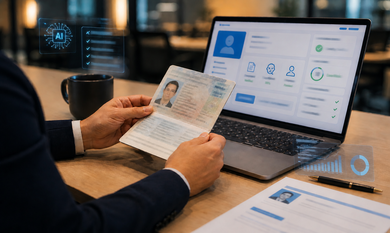
The workflow can begin through a website, mobile application, patient portal, text message, or voice channel. The AI agent can guide the patient through the required questions and identify incomplete or inconsistent information before submission.
It may collect contact details, insurance information, the reason for the visit, provider preferences, and consent acknowledgements. It can then enter validated information into an approved patient-management system.
Organizations that want to explore this stage in greater detail can review how conversational AI for patient intake can support structured data collection and EHR workflows.
If the patient describes symptoms that require clinical evaluation, the agent should not independently determine the appropriate treatment. It should transfer the case to an authorized staff member or clinical triage workflow.
Matching Patients With Suitable Appointment Slots
After the intake details are complete, the agent can search for appointments based on visit type, specialty, provider availability, location, language needs, and patient preferences.
AI patient scheduling can go beyond displaying a list of open times. The agent can make sure that the selected slot is appropriate for the requested service and that any required resources are available. It can also manage approved cancellations and rescheduling requests.
If no suitable appointment is available, the agent could place the patient on a waitlist, suggest another approved provider, or create a task for the scheduling team. This prevents the patient from reaching a dead end.
Checking Insurance Eligibility Before the Visit
Insurance eligibility verification automation can help healthcare organizations identify coverage issues earlier in the patient journey.
After receiving the required information, the agent can submit an eligibility request through an approved payer or clearinghouse connection. It may check active coverage, service-level benefits, copayment information, deductible status, and referral requirements when those details are available.
For Medicare, the Centers for Medicare & Medicaid Services operates a system that supports real-time eligibility requests and responses using HIPAA 270/271 transactions. CMS explains how its HIPAA Eligibility Transaction System works.
The agent should not guess when a payer response is incomplete or unclear. It can request corrected information from the patient or route the case to eligibility staff for review.
Managing Confirmations, Reminders, and Follow-Ups
Once the appointment and eligibility steps are complete, the agent can send a confirmation through the patient’s approved communication channel. Messages may include the appointment details, preparation instructions, required documents, and a secure option to reschedule.
Patient follow-up automation can also monitor whether the patient confirms the appointment or completes outstanding forms. If there is no response, the system can send another reminder based on the organization’s communication policy.
After the visit, the agent may send approved care instructions, request feedback, remind the patient about a referral, or help arrange a follow-up appointment. Clinical questions and sensitive concerns should always be directed to qualified healthcare staff.
When Healthcare Staff Should Remain Involved
Human oversight is essential when an AI agent encounters an unusual, sensitive, or low-confidence situation. Escalation may be required when:
- Patient information does not match payer records
- Coverage cannot be confirmed
- A referral or authorization is missing
- The requested appointment may require clinical triage
- No appointment meets the defined requirements
- The patient asks for medical advice
- The agent receives conflicting information
- A patient requests help from a staff member
Every automated action should be logged so authorized teams can review what happened, correct an action, and improve the workflow.
Required Integrations and Safeguards
Building a connected system requires more than selecting an AI model. Agentic AI development services in USA can support secure integrations with EHRs, practice-management platforms, scheduling tools, payer systems, patient portals, and communication services.
Organizations planning these integrations may also benefit from experienced healthcare software development support. The system should be designed around the organization’s current technology, staff responsibilities, and patient communication policies.
HIPAA-compliant AI agents should use minimum-necessary data access, encryption, role-based permissions, audit logs, retention policies, and appropriate vendor agreements. Each agent should have a limited purpose and access only the tools required for that purpose.
Healthcare organizations should also define which actions the agent can complete independently, which actions require approval, and which situations must immediately be transferred to staff.
How Healthcare Organizations Can Start
Organizations considering Agentic AI development services in USA should begin with one clearly defined workflow rather than attempting to automate every patient-access process at once.
They can first document the current steps, identify common exceptions, confirm system access, and establish measurable goals. A limited pilot can then test how the agent handles real requests while staff review its recommended actions.
Useful metrics include intake completion rate, time to appointment confirmation, eligibility checks completed before arrival, scheduling exception rate, no-show rate, follow-up response rate, and administrative hours saved.
As the workflow becomes reliable, the organization can gradually allow the agent to complete more approved actions. This phased approach makes it easier to test integrations, refine escalation rules, train staff, and address issues before expanding the system.
Conclusion
Agentic AI in healthcare can connect patient intake, scheduling, eligibility verification, and follow-ups instead of treating them as separate administrative tasks. It can carry verified information from one stage to the next, communicate with approved systems, and keep the workflow moving.
The goal is not to remove healthcare staff from the patient journey. It is to reduce repetitive coordination while allowing staff to focus on exceptions, sensitive conversations, and decisions that require human judgment. With secure integrations, clear permissions, and careful oversight, agentic AI can help US healthcare organizations create a more consistent patient-access experience.
As a custom software development company USA healthcare organizations can work with, Theta Technolabs builds tailored digital solutions that support connected workflows, secure system integrations, and practical operational requirements.
Build a Connected Agentic AI Workflow for Your Healthcare Organization
If disconnected intake, scheduling, eligibility, and follow-up processes are increasing administrative work, Theta Technolabs can help. Our Agentic AI development services in USA can support custom workflow design, healthcare platform integrations, human-review rules, and phased implementation.
Contact Theta Technolabs to discuss how agentic AI can improve patient access while keeping healthcare staff involved in sensitive and complex decisions.
Frequently Asked Questions
1. What is agentic AI in healthcare?
Agentic AI refers to AI systems that can work toward a defined goal, complete multiple connected tasks, and interact with approved tools or platforms. In healthcare administration, an agent may collect intake information, find an appropriate appointment, check insurance eligibility, send reminders, and escalate exceptions to staff.
2. How is agentic AI different from a healthcare chatbot?
A healthcare chatbot generally answers questions or collects information through conversation. An agentic AI system can take approved actions across multiple systems and continue working until it completes the assigned workflow or requires human assistance. A chatbot may serve as the communication interface, while an AI agent coordinates the underlying tasks.
3. Can agentic AI integrate with existing EHR and scheduling systems?
Yes, an agentic AI solution can connect with EHRs, practice-management platforms, scheduling tools, payer systems, patient portals, and communication services when suitable APIs or integration methods are available. The exact approach depends on the organization’s existing systems, security requirements, and permitted data access.
4. Can agentic AI support HIPAA requirements?
Agentic AI can be designed to support HIPAA requirements, but compliance does not come from the AI model alone. The complete solution should include appropriate access controls, encryption, audit logs, minimum-necessary data use, retention policies, vendor agreements, and procedures for human review.
5. Should an AI agent handle every patient request automatically?
No. Healthcare organizations should define clear boundaries for automated actions. Cases involving clinical questions, missing referrals, unclear insurance responses, conflicting patient information, or low-confidence decisions should be transferred to authorized staff. The agent should support healthcare teams, not replace clinical or administrative judgment.
























.png)





.png)
























.png)

























.png)


.png)



.png)